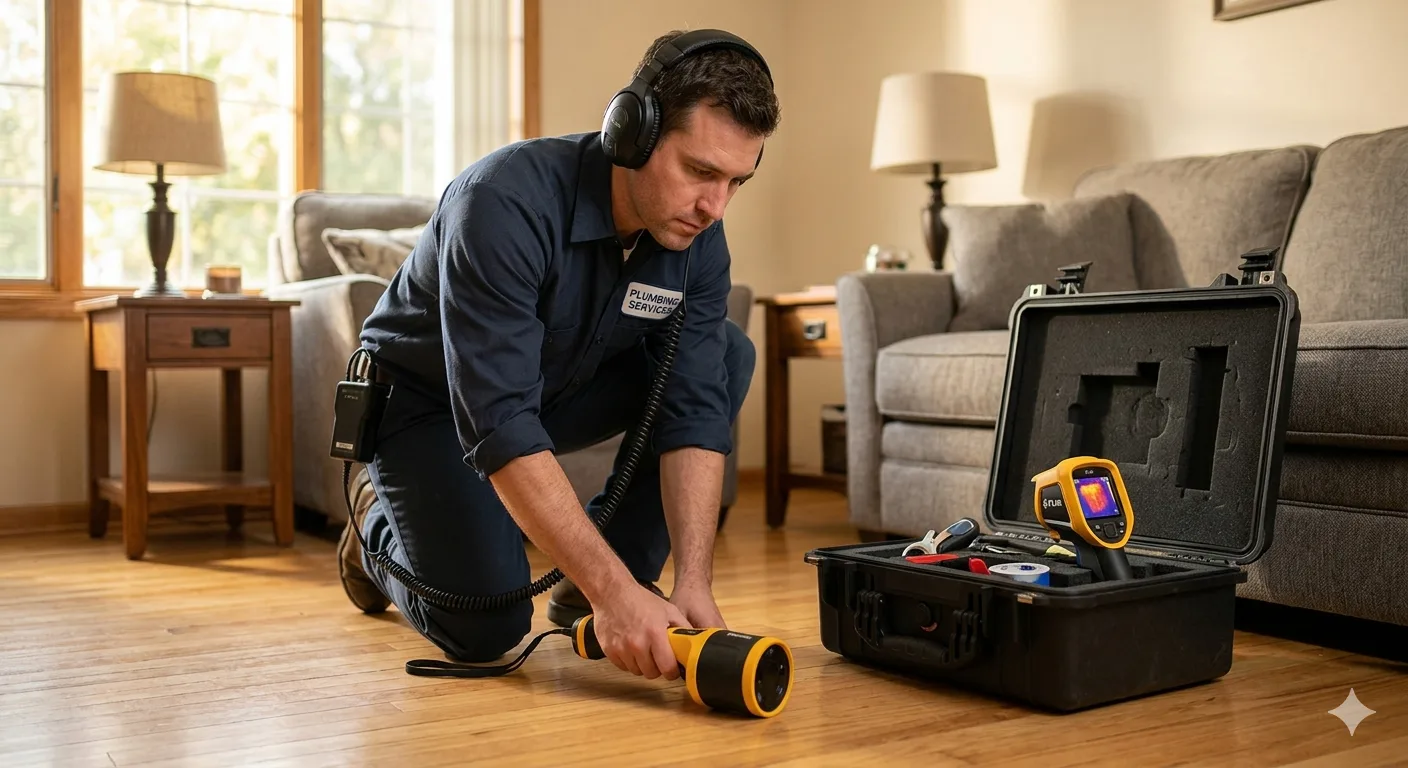
Your washing machine works hard, but it will not last forever. Knowing the average life of a washer helps you plan ahead, catch problems early and avoid sudden failure that causes hundreds of dollars in water damage. Most homeowners have no idea their machine is in decline until the day it stops working entirely. Quick Answer: The average life of a washer is 10 to 14 years, according to the Association of Home Appliance Manufacturers. Overloading, hard water and neglected hoses all shorten that lifespan. A licensed local plumber can inspect your washer connections, supply lines and drain setup to catch problems before they become emergencies. Show Image
What Is the Average Life of a Washer? The average life of a washer falls between 10 and 14 years under normal household use. Top-loaders tend to last toward the lower end, while front-loaders and high-efficiency models often reach the upper end when properly maintained. A washer used by a large family running eight or more loads per week will age faster than one in a single-person household. The PHCC notes that water supply connections, drain lines and machine hoses are among the most common plumbing service issues tied to residential washing machines. The age of your machine alone does not tell the full story. A well-maintained 12-year-old washer can outperform a neglected 6-year-old one. Regular checks of plumbing connections affect the average life of a washer as much as how the machine itself is used. 6 Trusted Signs the Average Life of a Washer Is Almost Up
- The machine vibrates excessively during spin cycles. Some vibration is normal, but a washer that shakes violently or walks across the floor during spin has a worn drum bearing or degraded load mechanism. Bearings in most machines are rated for around 1,500 wash cycles, and once they go, repair costs often exceed the machine’s value.
- Water is not draining fully after each cycle. Standing water left in the drum after a cycle points to a clogged drain pump, a kinked hose or a standpipe blockage. The EPA links poor drainage to mold growth inside machines and in wall cavities behind them. If clearing the drain hose does not resolve the issue, the pump itself may be failing, which in older machines is rarely worth repairing.
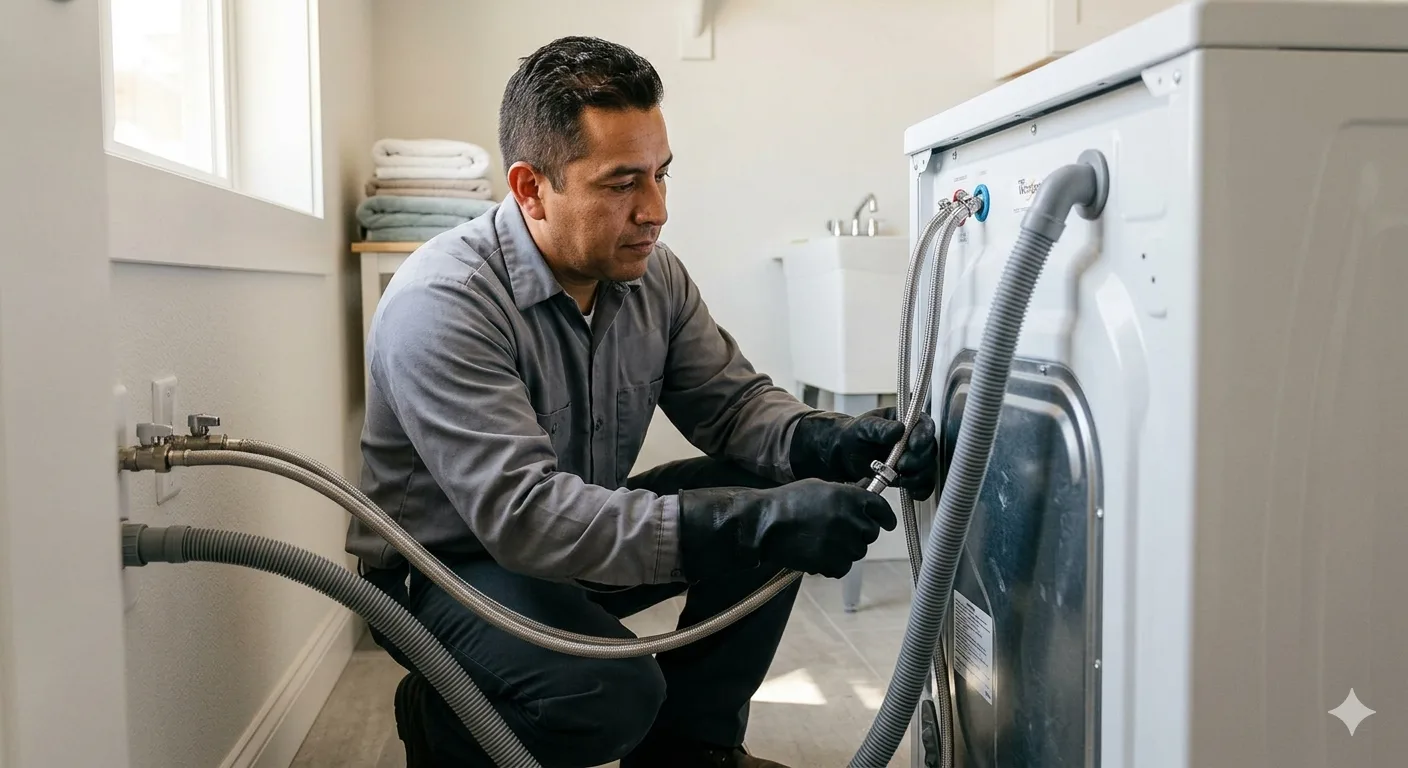
- The washer is leaking from the door or base. Leaks from a front-loader door usually mean the rubber gasket has cracked. Leaks from the base can mean a supply hose has split or a pump seal has failed. Rubber hoses should be replaced every 5 years regardless of visible condition, according to the PHCC. A braided stainless steel hose is a far more reliable replacement. Any active leak should be assessed by a licensed plumber immediately, as a slow drip behind a wall causes serious structural damage within weeks.
- Cycles are taking significantly longer than usual. A standard wash cycle should complete in 30 to 45 minutes. If your washer regularly runs 70 minutes or more, the heating element, water inlet valve or control board may be failing. On a machine past the 10-year mark, multiple failing components signal that replacement is more cost-effective than repair.
- You notice rust, visible corrosion or a burning smell. Rust inside the drum transfers to clothing and means the drum coating has broken down. Rust on the exterior points to a chronic slow leak. A burning smell during operation suggests an overheating motor or a wiring fault. These are all signs that the average life of a washer has been reached and the appliance is becoming a safety concern.
- Repairs are becoming frequent and expensive. Industry guidance holds that when the cost of a single repair exceeds 50% of the machine’s current replacement value, replacement is the smarter decision. If you have spent $200 or more on repairs in the past year on a machine over 8 years old, you are likely past that threshold. A licensed plumber can inspect supply and drain connections at the same time, protecting your new machine from the same issues.