Most homeowners have never thought about their cleanout. They don't know where it is, what it looks like or that they even have one. Then a drain backs up, a plumber arrives and the first thing asked is whether it's accessible. If the answer is no, a straightforward clearing job becomes complicated and expensive. Understanding what a cleanout is and what can go wrong is the kind of knowledge that pays for itself the first time you need a plumber.
Quick Answer: A cleanout is a capped pipe fitting installed in a drain or sewer line that provides direct access for clearing blockages, inserting cameras and performing maintenance without opening walls or excavating. Residential homes typically have cleanouts on the main sewer lateral, at the base of the main stack and on branch drain lines in older homes. A missing, buried or damaged cleanout significantly increases the cost of any drain or sewer service call.
What a Cleanout Actually Is and Where to Find Yours
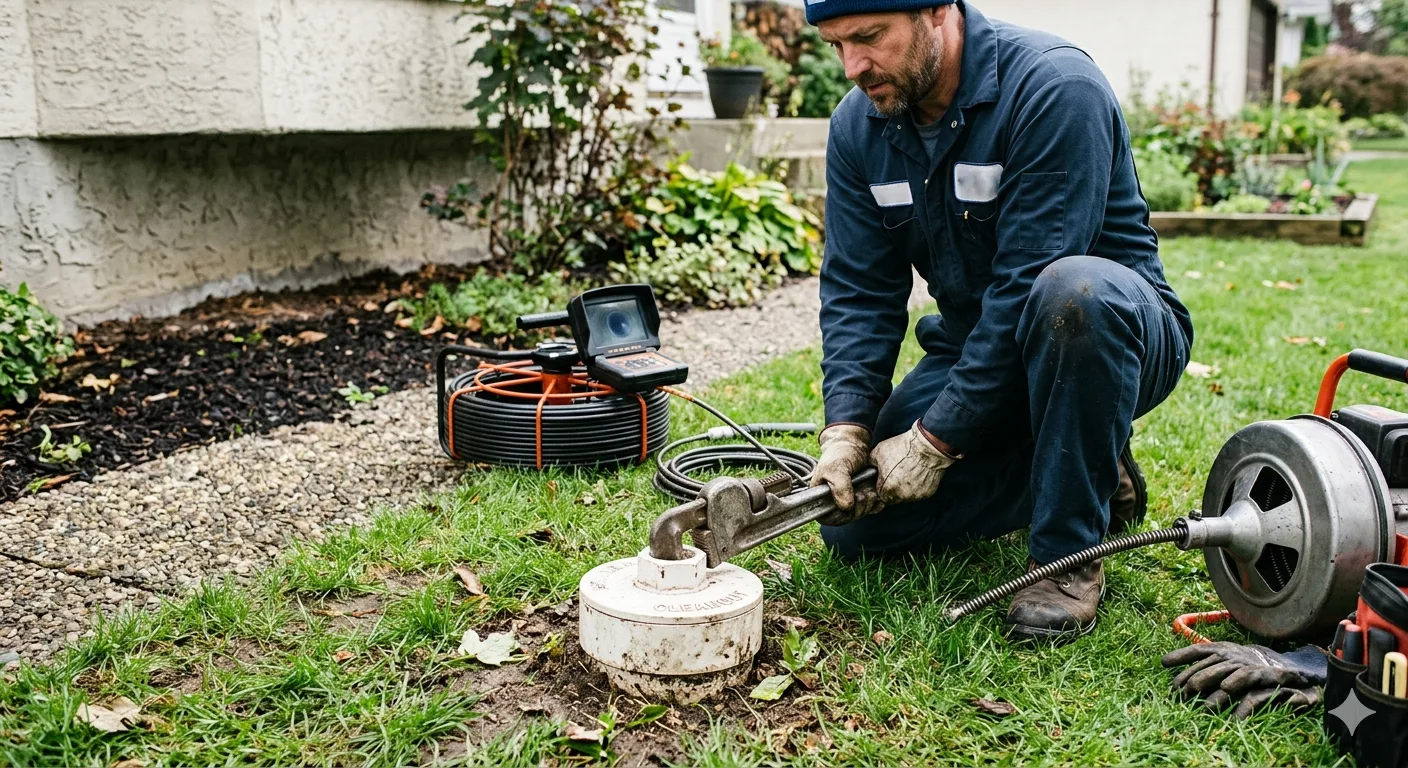
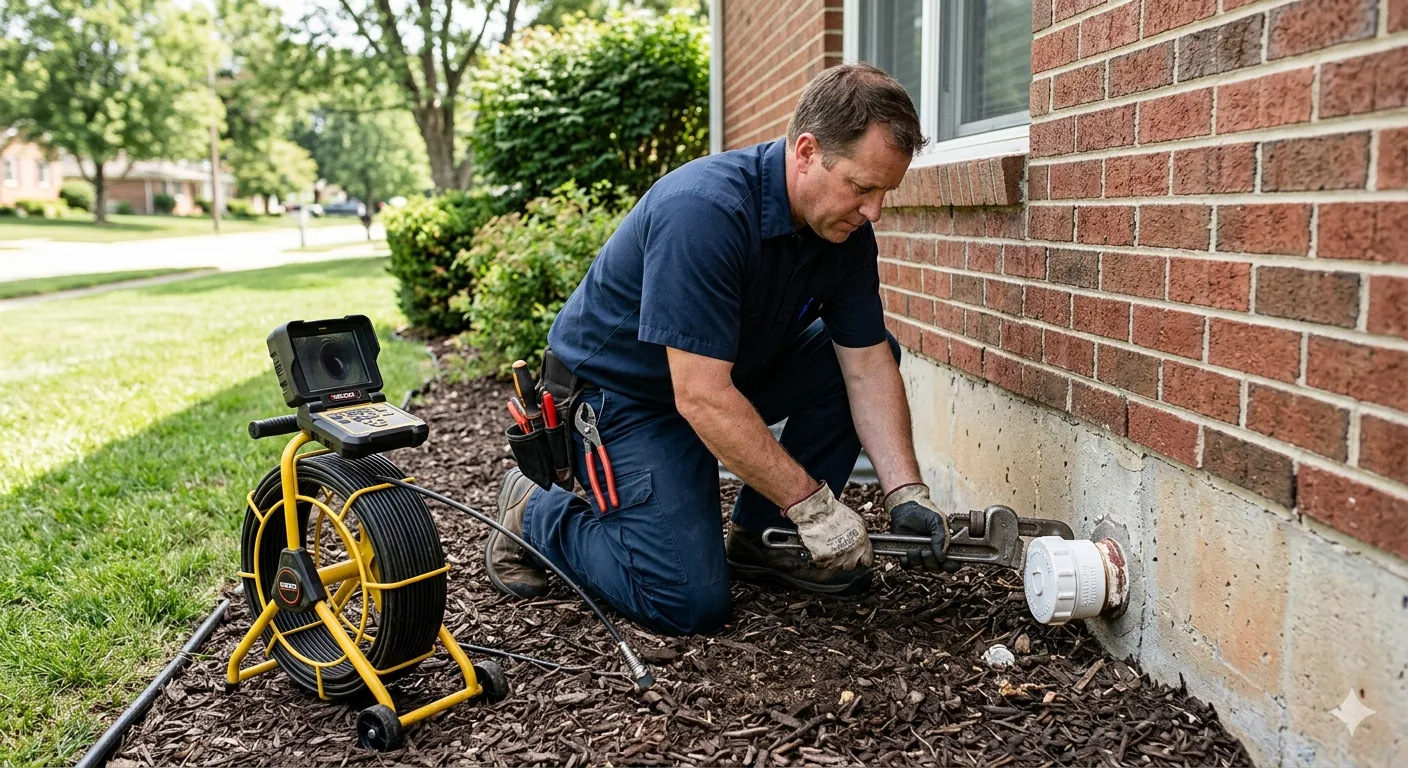
A cleanout is a short pipe section with a removable threaded cap. When opened, a plumber has direct access to insert a snake, hydrojetter or camera without removing fixtures, cutting through walls or excavating.
Most residential homes have at least one on the sewer lateral, sitting within a few feet of the foundation at ground level. It looks like a capped pipe stub with a square nut on the threaded plug. Inside the home, one at the base of the main stack is common in homes with a full basement. Older homes sometimes have branch cleanouts on individual drain lines. A licensed plumber can locate them all in a single camera inspection visit.
6 Trusted Signs Your Cleanout Needs Attention Right Now
The cap is missing entirely.
An open access point without its cap lets surface water, insects and debris enter your drain system directly. During heavy rain, stormwater can pour in and overwhelm the drain line. Any cleanout found without its threaded plug needs a new cap immediately. Replacement caps cost under $10. The EPA identifies surface water infiltration through open access points as a significant contributor to residential drain overload during storm events.
The cap is cracked, corroded or won't seat properly.
A cap that is visibly cracked, corroded or won't thread down fully is not sealing the line. Sewer gases including hydrogen sulfide can infiltrate the surrounding soil through an improperly sealed fitting. Plastic caps degrade from UV exposure. Cast iron plugs corrode and seize. Annual inspection of every accessible cap takes minutes and catches this before it becomes a problem.
You can't find the cleanout at all.
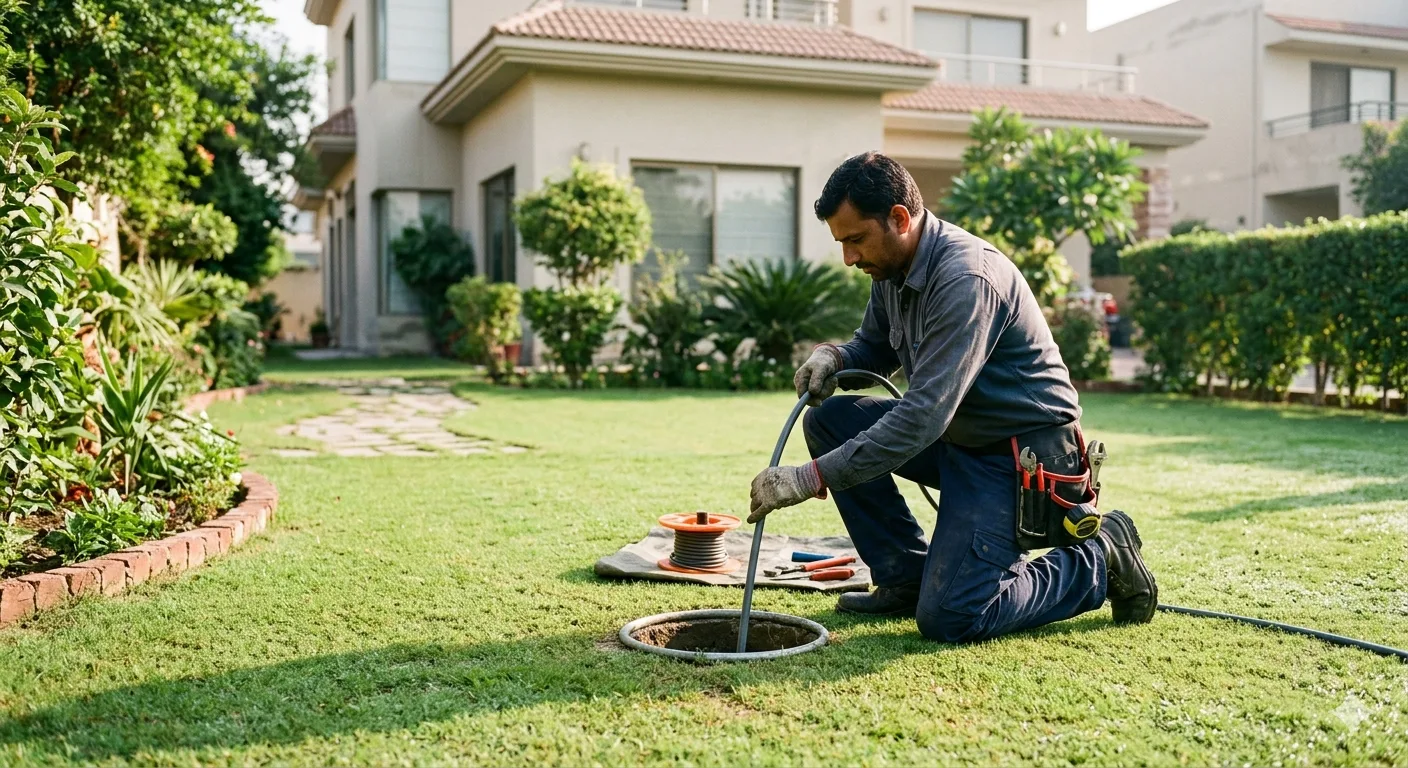
One buried under landscaping, concreted over during a renovation, covered by decking or never mapped is an access point that won't be there when you need it. If you've had drain work done recently and the plumber used an alternative access method, the cleanout probably wasn't accessible. A licensed plumber can locate it using a camera run from a drain inside the house and either expose it or document its position for future reference.
A blockage recently required alternative access.
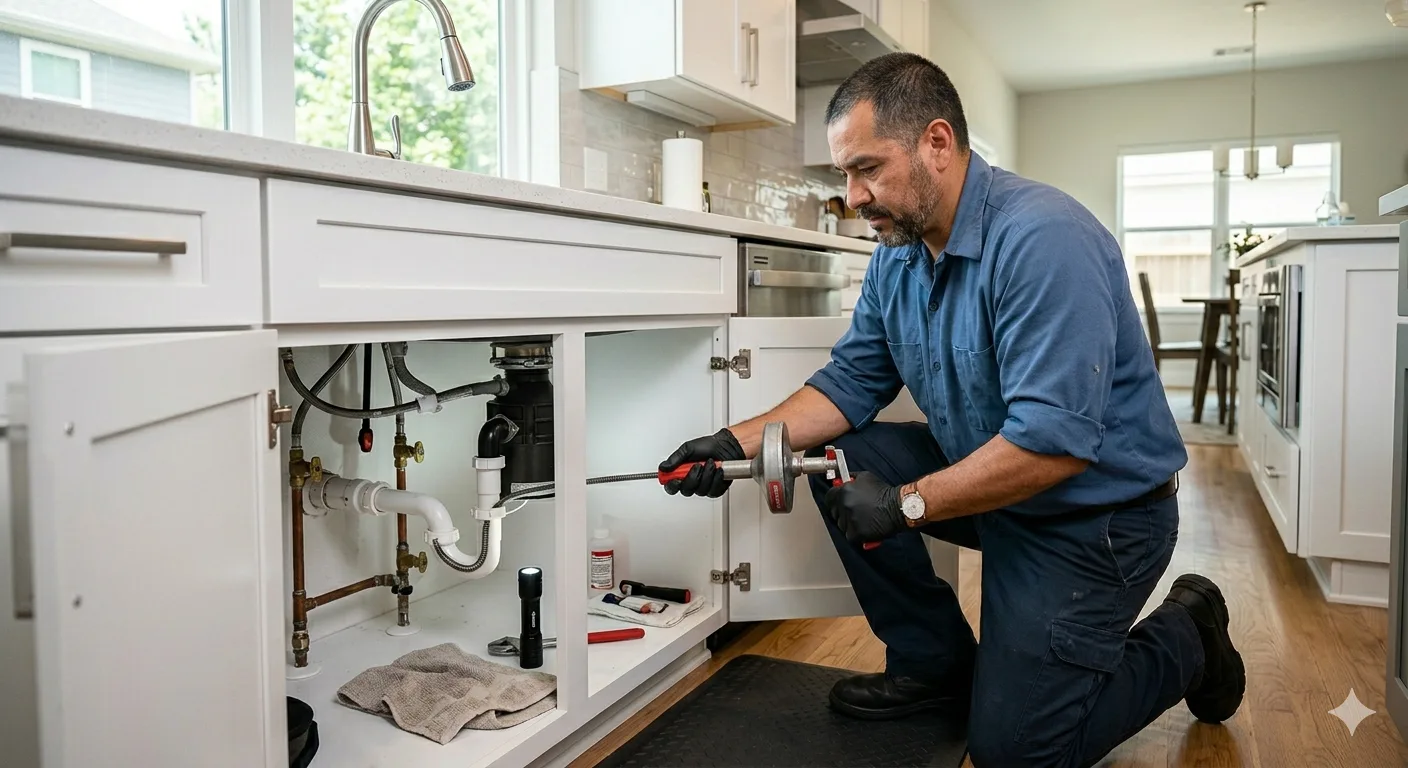
If a drain clearing job involved removing a toilet or cutting through a wall because the cleanout wasn't usable, that's a direct signal the situation needs to be addressed. The PHCC recommends that homeowners have a clearly one installed or restored on any property where drain service has required alternative access. The cost of installation is recovered the first time it allows a direct service approach.
Tree roots are growing around the cleanout fitting.
Roots find moisture wherever it exists, and collar joints are a common entry point. If you can see root material growing around the fitting or the ground near it is raised or cracked, roots may have entered at the junction. A camera inspection through the fitting confirms whether intrusion has occurred and how far it extends. Addressing root intrusion at an early stage through hydrojetting is far less expensive than waiting until the line is fully blocked.
The collar shows movement or misalignment.
One that sits on a pipe running through expansive soil can be pushed out of alignment over time as the soil swells and contracts. A collar that is visibly tilted, has soil pushing up around it or rocks when pressure is applied has a weakened connection to the drain line. The CDC classifies sewage exposure from drain line failures as a direct residential health hazard. A collar that fails under the pressure of a snake or hydrojetting hose during service can create a more significant problem than the original blockage.
Why Cleanout Accessibility Matters More Than Most Homeowners Know
A plumber without access has two options: find an alternative or excavate. Alternative access typically means pulling a toilet, adding $100 to $200 to the call. Excavation costs $1,500 to $3,000 or more.
Proper access converts a drain emergency into a straightforward one-hour visit. Installing access where it's missing costs $150 to $400, making it one of the best-value preventive plumbing investments available.
Frequently Asked Questions About Cleanouts
Do all homes have a cleanout?
Most homes built after the 1960s have at least one main access point on the sewer lateral. Older homes may not, or may have them buried or made inaccessible over the decades. A licensed plumber can confirm what is present and accessible in your specific home.
Can I open a cleanout myself?
You can remove the cap, but do so with caution. If the line behind the cap is under pressure from a backup, sewage can discharge when the plug is removed. Beyond safety, most DIY drain clearing tools don't have the reach or force to clear a main line blockage. A licensed plumber with powered equipment clears it more completely and inspects the line condition at the same time.
How often should a cleanout be inspected?
Checking the cap condition visually once a year takes less than a minute. A professional camera inspection every two to three years is sufficient for most properties. Homes with mature trees near the sewer lateral, older clay tile or cast iron pipes, or a history of recurring blockages benefit from annual inspections.
What if my cleanout is inside the house rather than outside?
Interior fittings at the base of the main stack or on branch drain lines serve the same function as exterior ones. Keep the area around each one clear and accessible. Interior ones have the added consideration that any sewage discharge during opening or service needs to be contained, so a licensed plumber managing the opening is advisable.
Find a Trusted Local Plumber for Cleanout Service Today
An access point you can't find or can't open is not protecting you. It's giving you a false sense of security. Locating every access point on your property, confirming accessibility and replacing any damaged caps is a half-hour task that prevents a genuinely expensive emergency.
Visit PlumberLocator.us to find a licensed local plumber who can locate, assess and service your drain access points. For more practical plumbing guidance, browse our plumbing tips section.