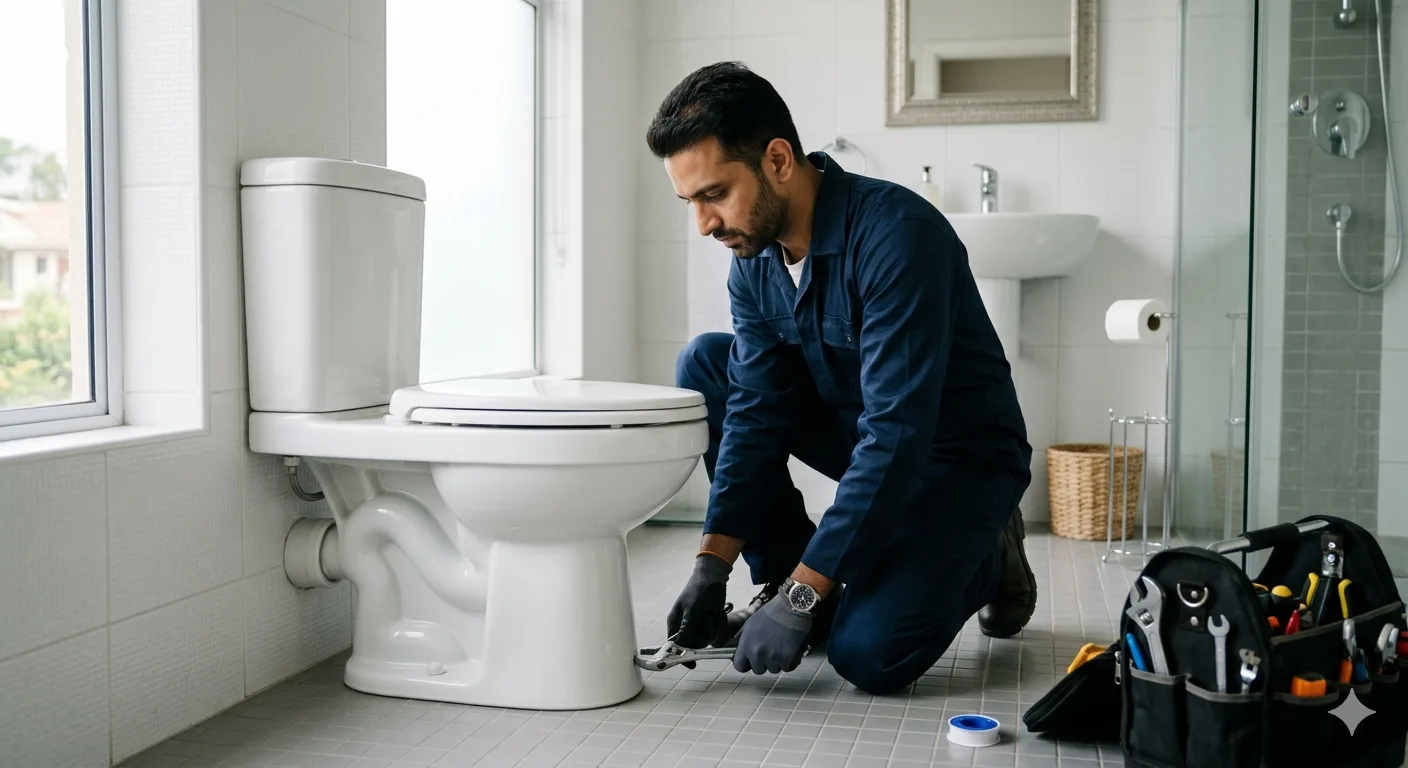
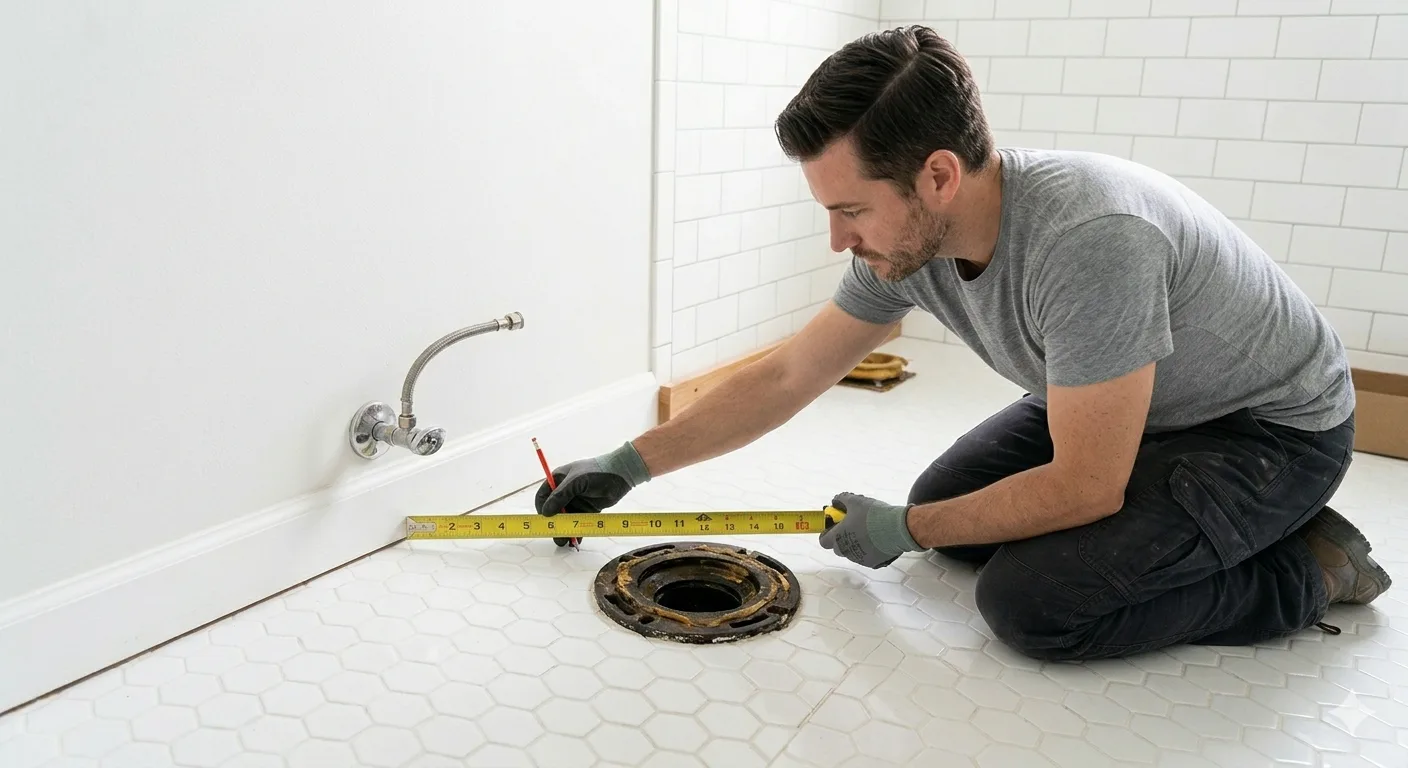
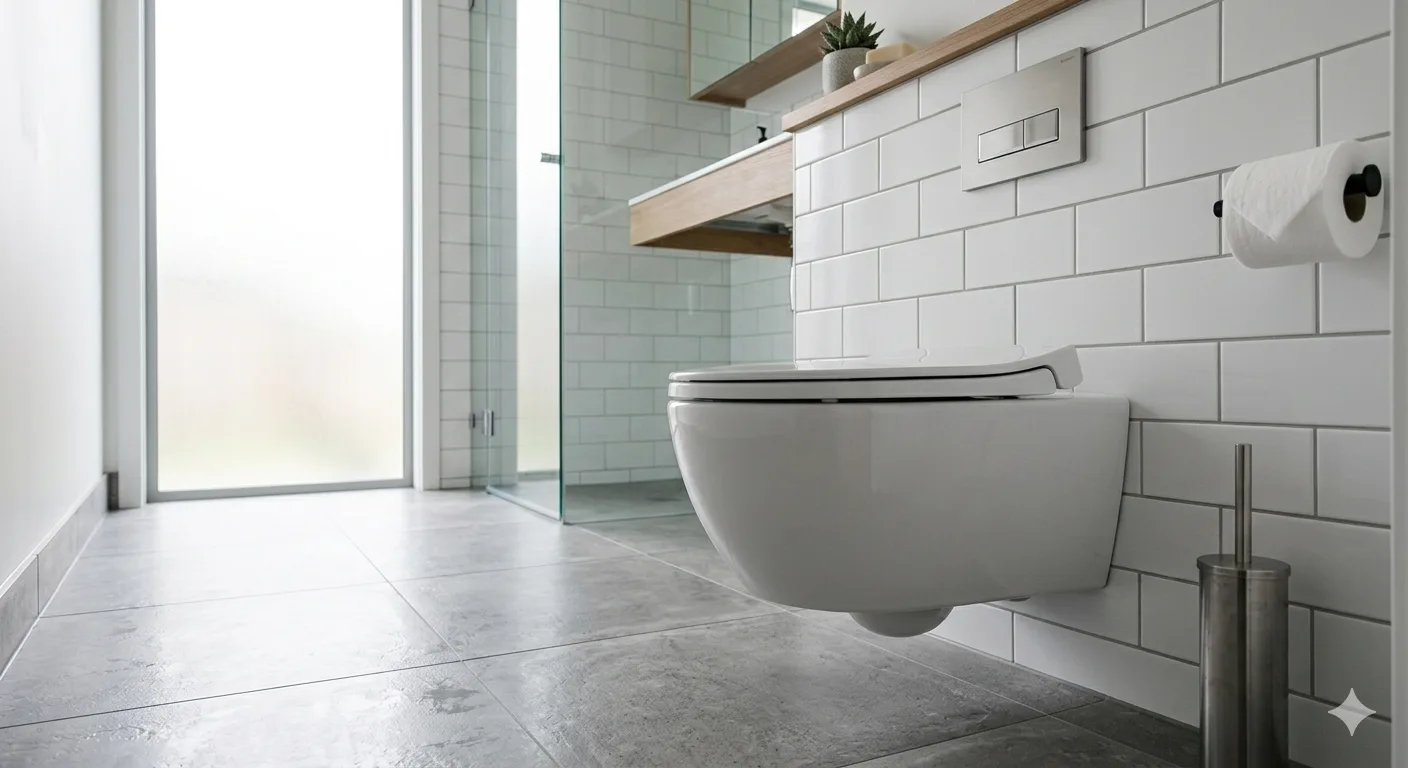
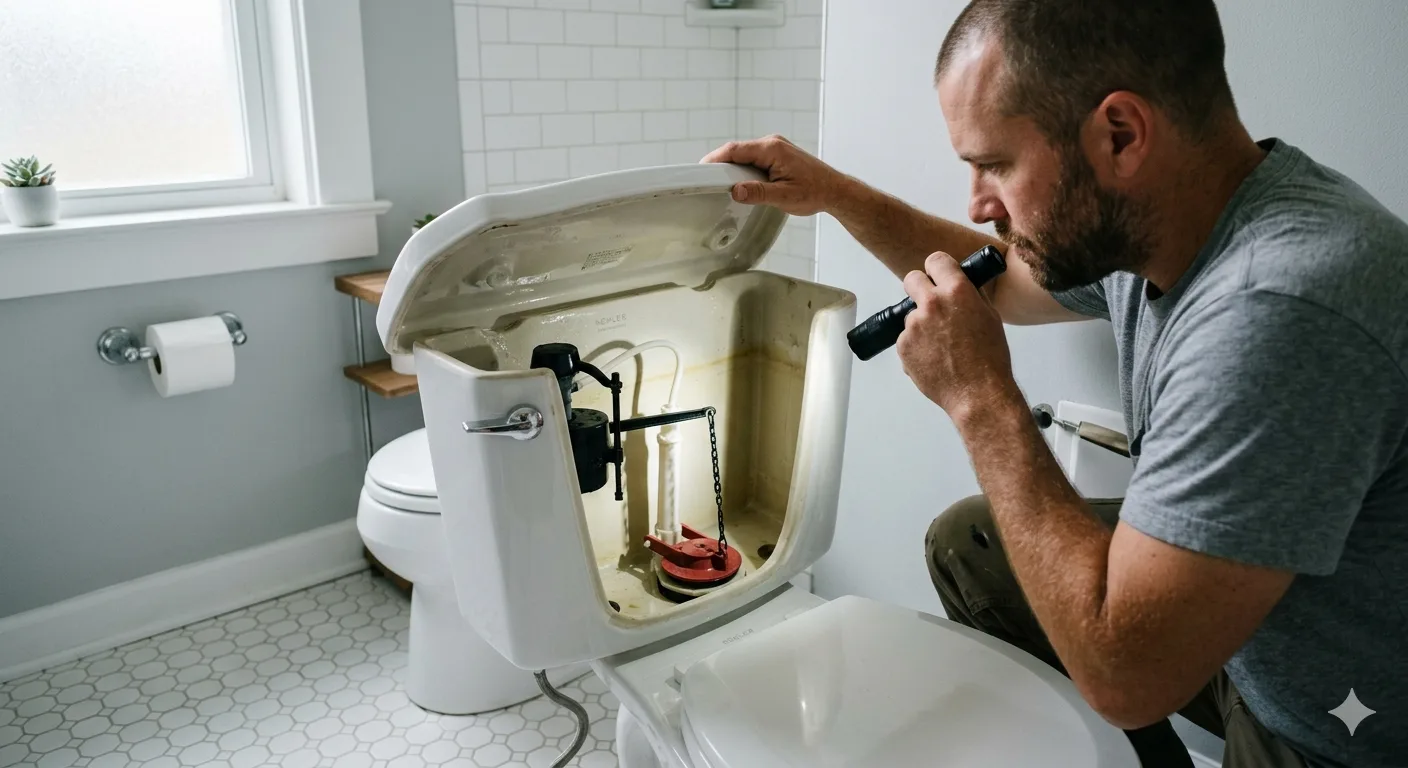
Why Comfort Height Toilet Measurements Catch Homeowners Off Guard The height difference sounds small. Two or three inches compared to a standard toilet does not seem like it would matter much. It matters enormously, especially for anyone with arthritis, a bad knee, or recovering from hip surgery. Sitting and standing from a standard toilet puts roughly 3.5 times your body weight through your knee joints, and a comfort height toilet reduces that load significantly. That is why orthopedic surgeons routinely recommend them to post-operative patients. The assumption that all toilets are interchangeable catches people off guard. They are not. Comfort height models are taller, and in bathrooms with lower ceilings or tightly positioned vanities, that extra height creates clearance issues nobody anticipated. Measure before you buy. The Comfort Height Toilet Rough-In Distance Nobody Checks First Rough-in distance is the measurement from the finished wall behind the toilet to the center of the drain pipe in the floor. The standard in most American homes is 12 inches, but 10-inch and 14-inch rough-ins exist and are not rare. A toilet built for a 12-inch rough-in will not seat flush against the wall in a 14-inch bathroom, leaving a gap that throws off the wax ring seal and stresses the supply line every time someone sits down. The EPA WaterSense program notes that proper toilet installation is one of the most effective ways to prevent household water waste. A poorly fitted toilet leaks from the base long before anyone notices the floor damage underneath. Why the Floor Flange Makes or Breaks a Comfort Height Toilet Install Below every toilet is a floor flange, a ring that connects the drain pipe to the base and holds the wax ring in place. In older homes these flanges are cast iron. In homes built after the 1970s they are usually PVC. Either material corrodes, cracks, or shifts over time, and when you lift a toilet during replacement you often find the flange has been failing silently for years. A comfort height toilet is heavier than a standard unit, most models ranging from 60 to 120 pounds. Setting a heavy toilet on a compromised flange accelerates damage and risks a slow subfloor leak. The PHCC recommends that any toilet replacement include a flange inspection before the new unit is set. A licensed plumber catches this in fifteen minutes. Most DIY installs miss it. Comfort Height Toilet Specs and What the Numbers Actually Mean Walk into any plumbing supply house and the options multiply fast. One-piece versus two-piece. Round bowl versus elongated. Single-flush versus dual-flush. Each decision affects performance, water use, and how well the toilet fits the space. Elongated bowls add about two inches of front-to-back length compared to round bowls, which matters in smaller bathrooms. Dual-flush models use as little as 0.8 gallons per flush for liquid waste and 1.28 gallons for solid waste, below the federal maximum of 1.6 gallons under the Energy Policy Act. The ASPE notes that dual-flush comfort height toilets deliver significant water savings across a toilet’s 20 to 30-year lifespan. Why a Comfort Height Toilet Install Is Not a DIY-Friendly Job People assume toilet replacement is a beginner task. Turn off the water, unbolt the base, lift and swap. The complications live in the details. The wax ring must be centered correctly or the seal fails. The bolts must be tightened to the right torque or the base cracks. The supply line must be checked for corrosion before reconnection. Miss any one of these and you have a slow leak working through the floor for months before the damage shows. In bathrooms with tile floors the risk climbs further. Cracked tile from an overtightened bolt is not covered by most homeowner policies as a plumbing repair, so the full cost sits with the homeowner. A licensed plumber carries liability insurance and knows the torque a porcelain base tolerates. Comfort Height Toilet Costs and What Drives the Final Number Up The toilet itself is only part of the budget. Entry-level comfort height toilets start around $150 and climb past $800 for pressure-assisted or wall-hung models. Installation labor in most US markets runs between $150 and $400 depending on job complexity and local rates. When the flange needs repair add another $75 to $200. When the supply valve is corroded add another $50 to $100. A straightforward replacement with a healthy flange typically lands between $300 and $700 installed. Getting a licensed plumber to assess the space before you purchase saves money because you buy the right unit first. Find vetted local professionals through PlumberLocator.us and browse installation guidance at our plumbing tips hub. Frequently Asked Questions About Comfort Height Toilet Is a comfort height toilet right for shorter people or children? Comfort height toilets work best for adults of average to above-average height and for anyone with mobility limitations. Shorter adults and young children can struggle because their feet do not reach the floor, affecting circulation. A step stool solves the problem in most cases. How do I know if my bathroom has a 12-inch rough-in? Measure from the finished wall behind the toilet to the center of the bolt caps at the base of the existing unit. Most homes built after 1950 have a 12-inch rough-in, but always confirm the measurement before purchasing. Can I replace a standard toilet with a comfort height toilet myself? Technically yes, but most plumbers advise against it for homeowners without prior experience. Flange condition, wax ring alignment, and proper bolt torque all affect whether the toilet seals correctly, and a single mistake creates a leak that damages the subfloor before anyone notices. Does a comfort height toilet use more water than a standard toilet? No. Seat height and water consumption are entirely independent. Modern comfort height toilets follow the same federal regulations as any other toilet, with a maximum of 1.6 gallons per flush. Many models carry EPA WaterSense certification at 1.28 gallons or less. Find a Trusted Local Plumber for Comfort Height Toilet Today A comfort height toilet is one of the smartest upgrades you can make to a bathroom, and one of the easiest to get wrong without professional help. The right unit depends on your rough-in measurement, flange condition, floor material, and room dimensions. A licensed plumber can assess all of that in a single visit and confirm which models will work before you spend a dollar. Head to PlumberLocator.us to connect with a vetted local plumber in your area, and visit our plumbing tips hub for more guidance on bathroom upgrades, installation costs, and what to ask before any project starts.
Comfort Height Toilet: 6 Essential Facts to Avoid Costly Regret
Comfort height toilet mistakes catch unsuspecting homeowners off guard every single year. Find a trusted licensed local plumber near you at PlumberLocator.us.