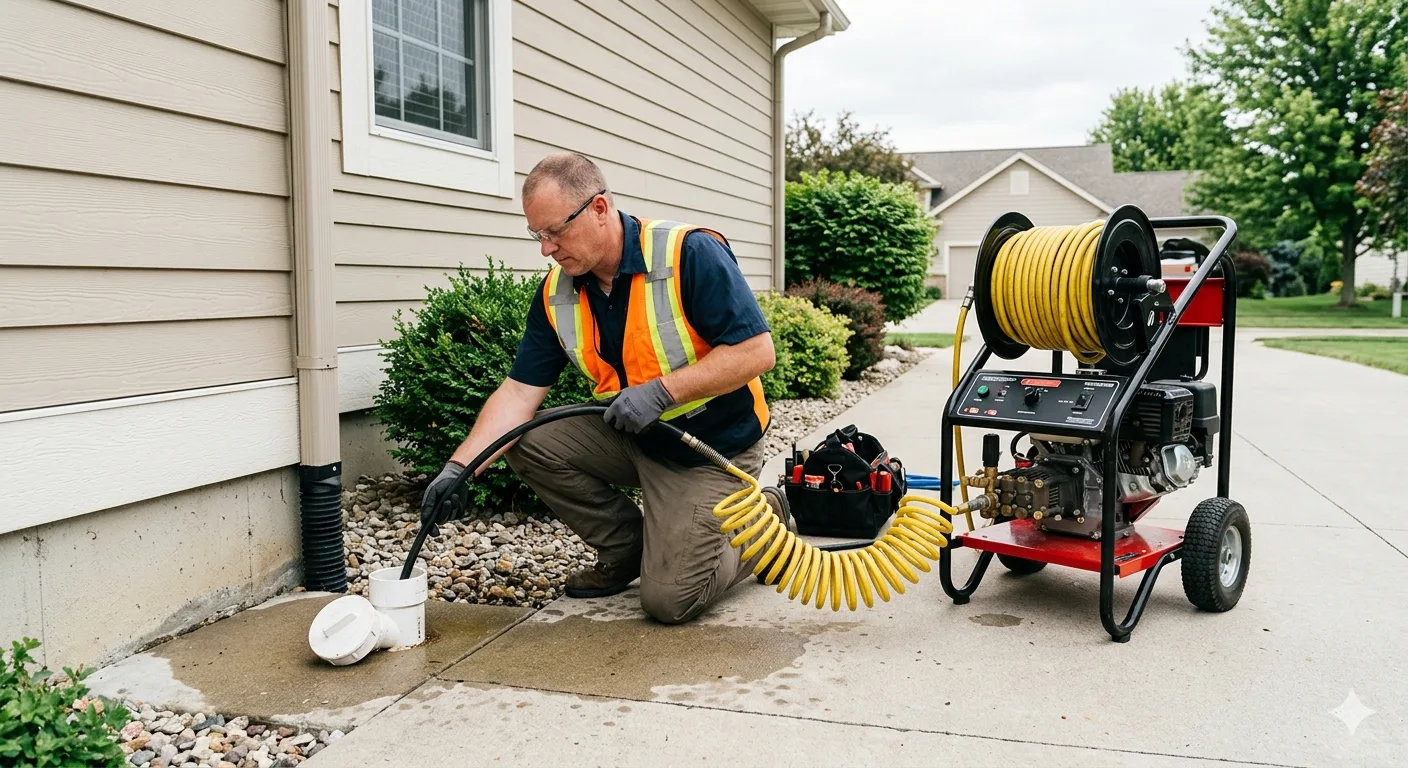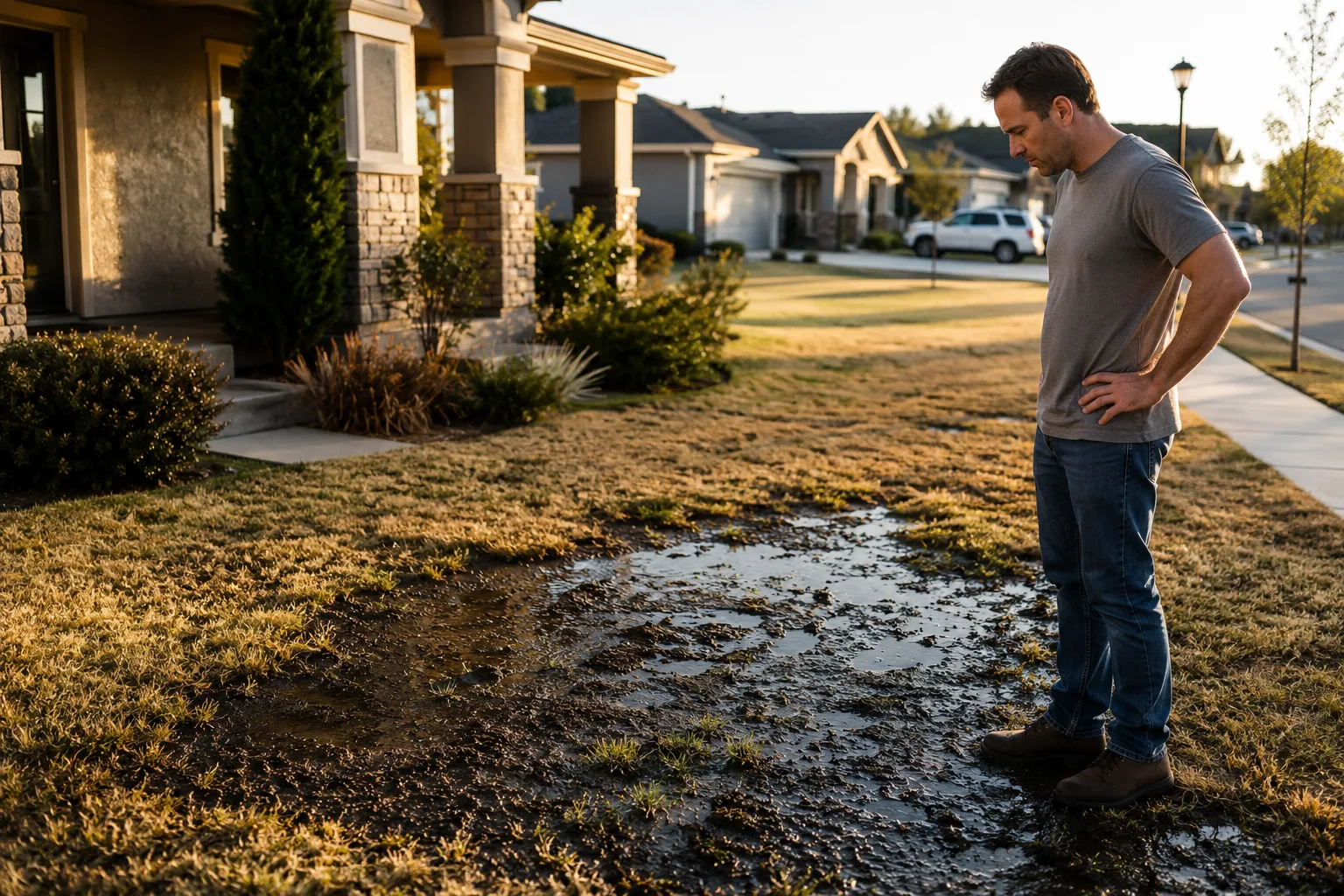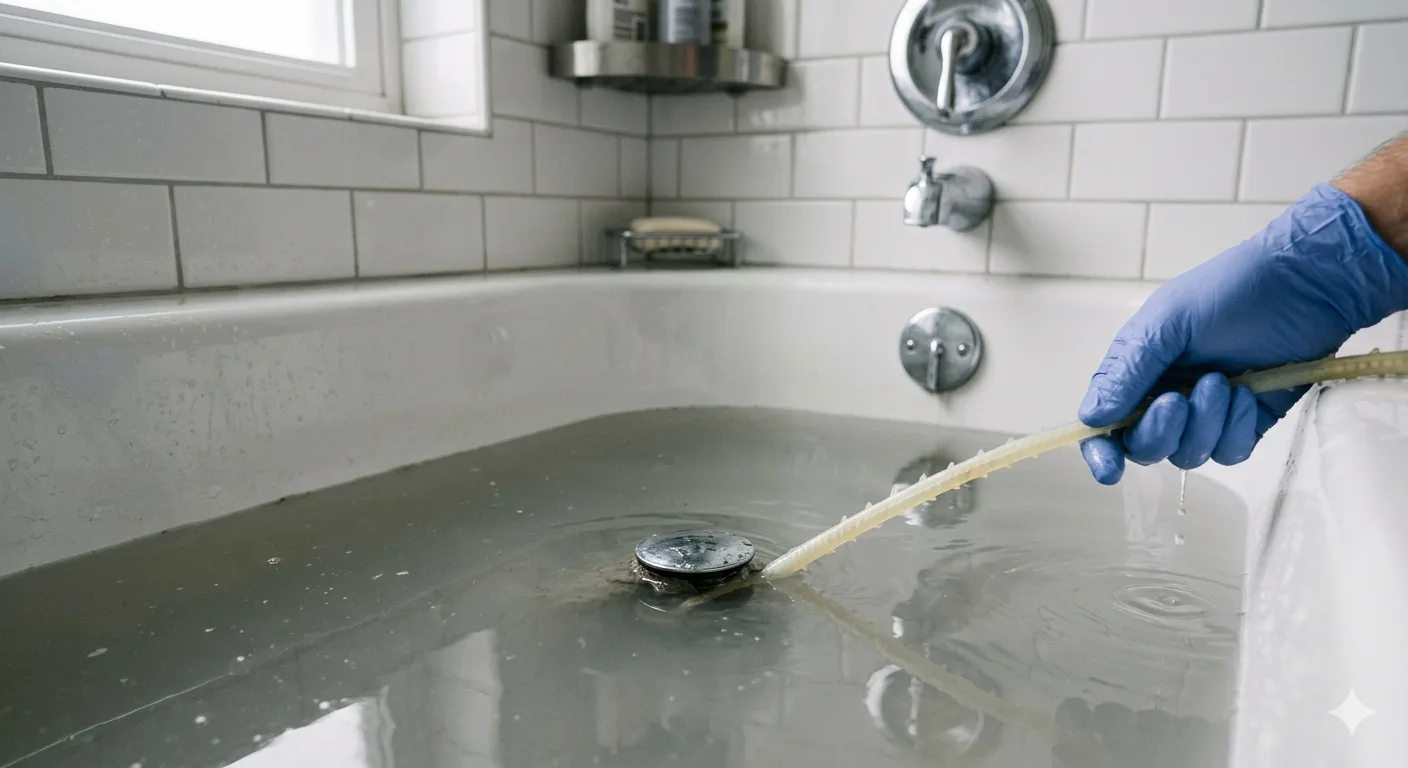
It's midnight, the toilet is blocked and you don't have a plunger. Someone mentions dish soap for unclogging toilet problems, you squirt in a generous amount, add some hot water and wait. Sometimes it works. Sometimes it doesn't. And sometimes it works just enough to make you think the problem is solved, when the real blockage is still sitting deeper in the line. Understanding when this trick is actually useful and when it's buying you false confidence is what this post is about.
Quick Answer: Dish soap for unclogging toilet clogs works by lubricating the bowl and loosening soft organic material near the drain opening. It's effective on minor, surface-level blockages caused by too much toilet paper. It does not work on solid object blockages, main sewer line clogs, root intrusions or anything sitting further down the pipe than the toilet's trap. For anything beyond a simple paper clog, a licensed plumber is the right call.
Why Dish Soap Works at All
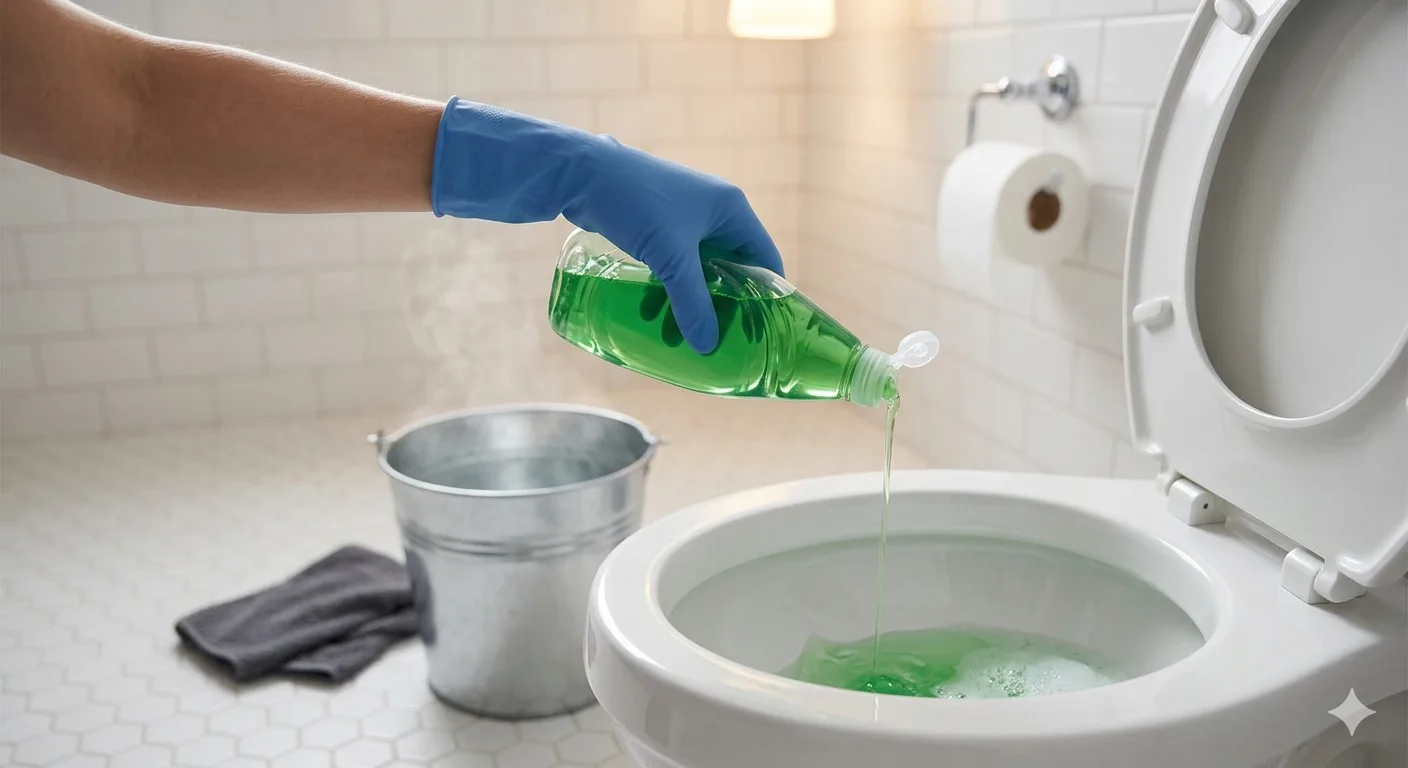
Dish soap is a surfactant. It breaks the surface tension of water and coats surfaces with a slippery film. Poured into a blocked toilet and followed by hot water, it works down through the clog and lubricates the trap, making it easier for water pressure to push the obstruction through.
Water between 120 and 140 degrees Fahrenheit softens compacted toilet paper without damaging porcelain. That combination of heat and lubrication is what makes dish soap for unclogging toilet clogs genuinely work on the right kind of blockage.
6 Critical Facts About Dish Soap for Unclogging Toilet Clogs
It only works on soft, paper-based blockages near the trap.
The toilet trap is the curved section at the base of the bowl where most simple clogs form. Dish soap reaches this area and can lubricate a compacted paper clog enough for it to pass through. If the blockage is past the trap and into the waste pipe, dish soap for unclogging toilet problems poured into the bowl won't reach it. Soap doesn't travel that far under gravity alone.
It will not clear a solid object blockage.
Children's toys, hygiene products and wipes labeled flushable are not affected by dish soap in any meaningful way. These need to be physically retrieved or dislodged with a toilet auger. The PHCC notes that wipes, including those marketed as flushable, are among the leading causes of residential toilet and sewer blockages nationwide.
A clog that responds to dish soap may still return.
If dish soap for unclogging toilet clogs works but the clog returns within days, the underlying issue hasn't been resolved. Partial blockages that clear temporarily build back up on the same rough spot. A recurring clog means something in the line needs proper clearing, not repeated coaxing with soap and hot water.
A slow-flushing toilet before the clog is a warning sign.
If your toilet was draining slowly before it blocked, dish soap almost certainly won't solve it. Slow flushing means a partial blockage built over time, sitting in the trap or further down the waste line. The EPA identifies slow-draining fixtures as an early warning of drain obstruction that progresses to full blockage without intervention.
Using too much dish soap creates a different problem.
Squirting half a bottle of dish soap into a toilet produces a large volume of suds that can overflow the bowl when you add the hot water. It also leaves a soapy residue in the trap that takes multiple flushes to clear. Use no more than a quarter cup. More soap doesn't make the method more effective. It just creates more foam and a longer cleanup.
If the water level is rising rather than draining, stop immediately.
A toilet that is actively overflowing or where water is rising toward the rim after a flush has a blocked drain with nowhere for the water to go. Adding hot water and soap to a bowl that's already full makes the overflow worse. The CDC classifies toilet overflow as a sewage contamination event. Shut off the water supply valve behind the toilet, do not flush again and call a licensed plumber. This situation is beyond the reach of any home remedy.
How to Use Dish Soap for Unclogging Toilet Correctly
Keep it simple. Add a quarter cup of dish soap to the bowl, wait 5 to 10 minutes, then pour in a bucket of hot water from waist height. The height adds force. Wait another 10 minutes and flush. If the toilet clears, flush twice more to rinse through.
If it doesn't clear after two attempts, stop. More soap won't change the outcome. What you have needs a physical solution, and continuing to pour liquid into a bowl that isn't draining risks an overflow.
Frequently Asked Questions About Dish Soap for Unclogging Toilet
How long should I leave the dish soap in before adding hot water?
Give it 5 to 10 minutes. The soap needs time to coat the blockage material and work its way through the clog before the hot water adds pressure behind it. Pouring the water in immediately after the soap doesn't give the lubricant time to do anything.
Is it safe to use boiling water with dish soap in a toilet?
No. Boiling water can crack the porcelain bowl, particularly at the base where it meets the trap. Use hot tap water or water heated to around 120 to 140 degrees. Hot enough to soften paper and waste material, not hot enough to cause thermal shock to the porcelain.
Can I use shampoo or hand soap instead of dish soap?
Yes. Any surfactant-based soap works on the same principle. Dish soap is typically recommended because it's thicker and more concentrated than shampoo, so it coats the blockage more effectively. Liquid hand soap is a reasonable substitute. Bar soap dropped into the bowl is not useful and adds to the obstruction.
When should I call a plumber instead of trying dish soap?
Call immediately if the water is rising, if any other drains in the house are backing up at the same time, if the toilet has been draining slowly for more than a few days or if the clog doesn't clear after two attempts with soap and hot water. These are all signs of a blockage that goes beyond what a home remedy can reach.
Find a Trusted Local Plumber for Toilet Blockage Help Today
Dish soap for unclogging toilet clogs is a genuine first-response option for a simple paper clog at midnight. It's not a substitute for a licensed plumber when the problem is more than that. If the toilet clears and blocks again, or if it never cleared in the first place, the clog is beyond what soap can reach.
Visit PlumberLocator.us to find a licensed local plumber who can clear the blockage properly and check whether the drain line has a more serious underlying issue. For more practical plumbing guidance, browse our plumbing tips section.