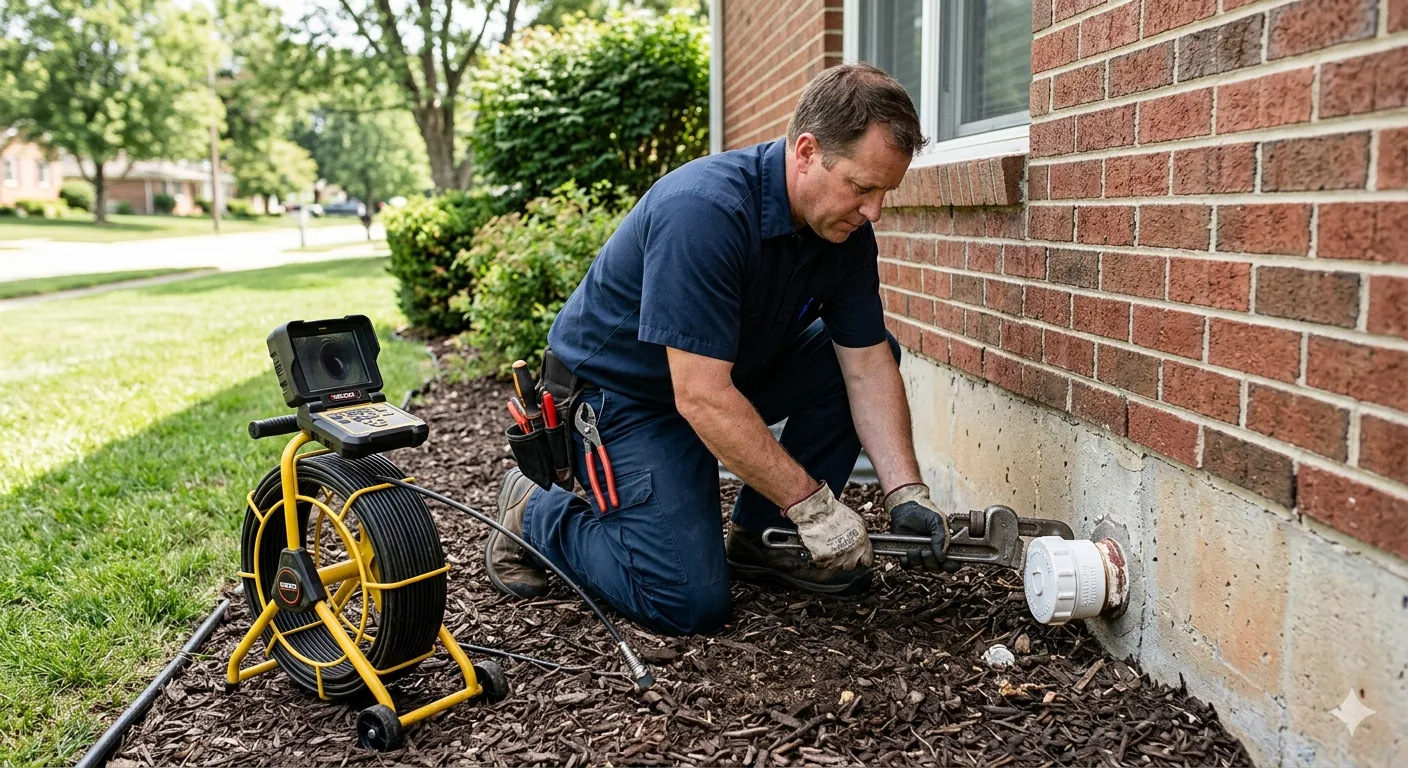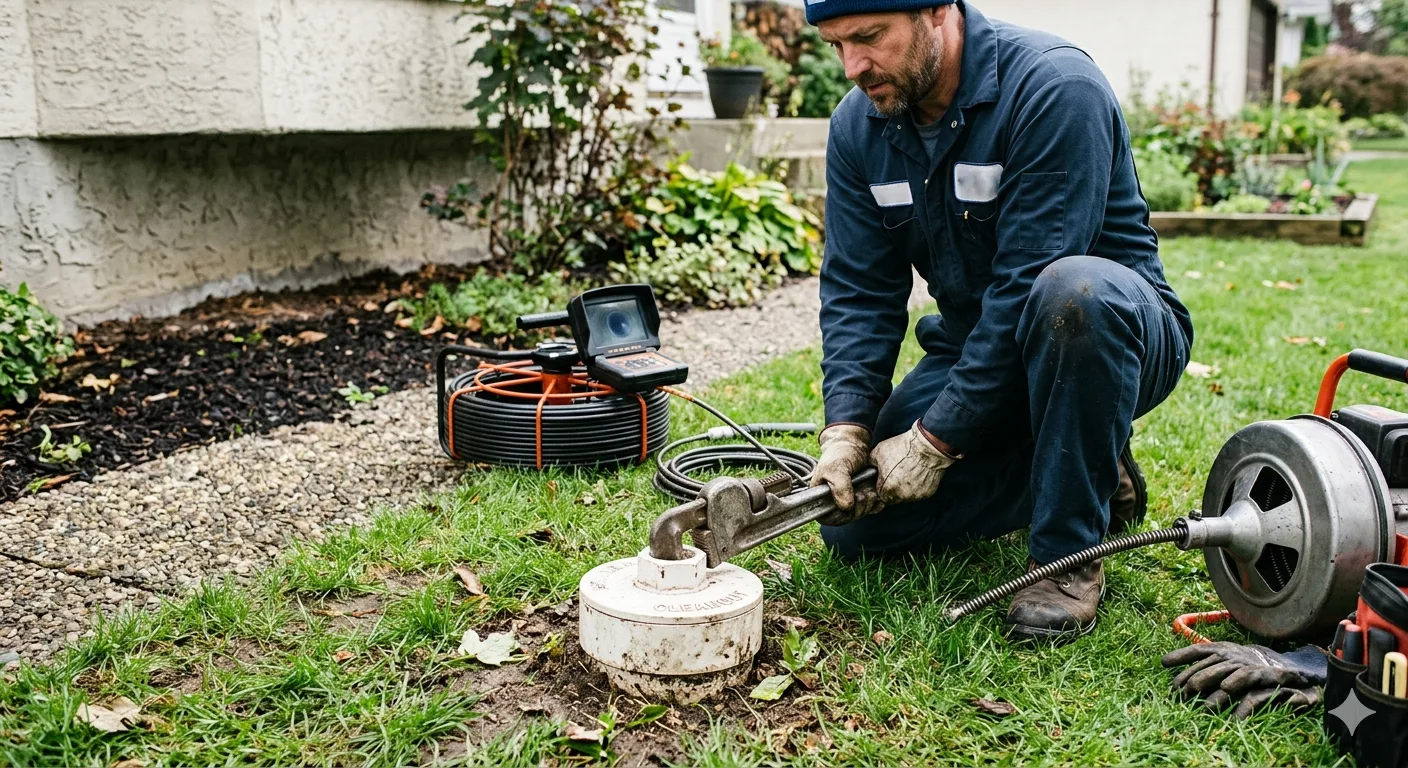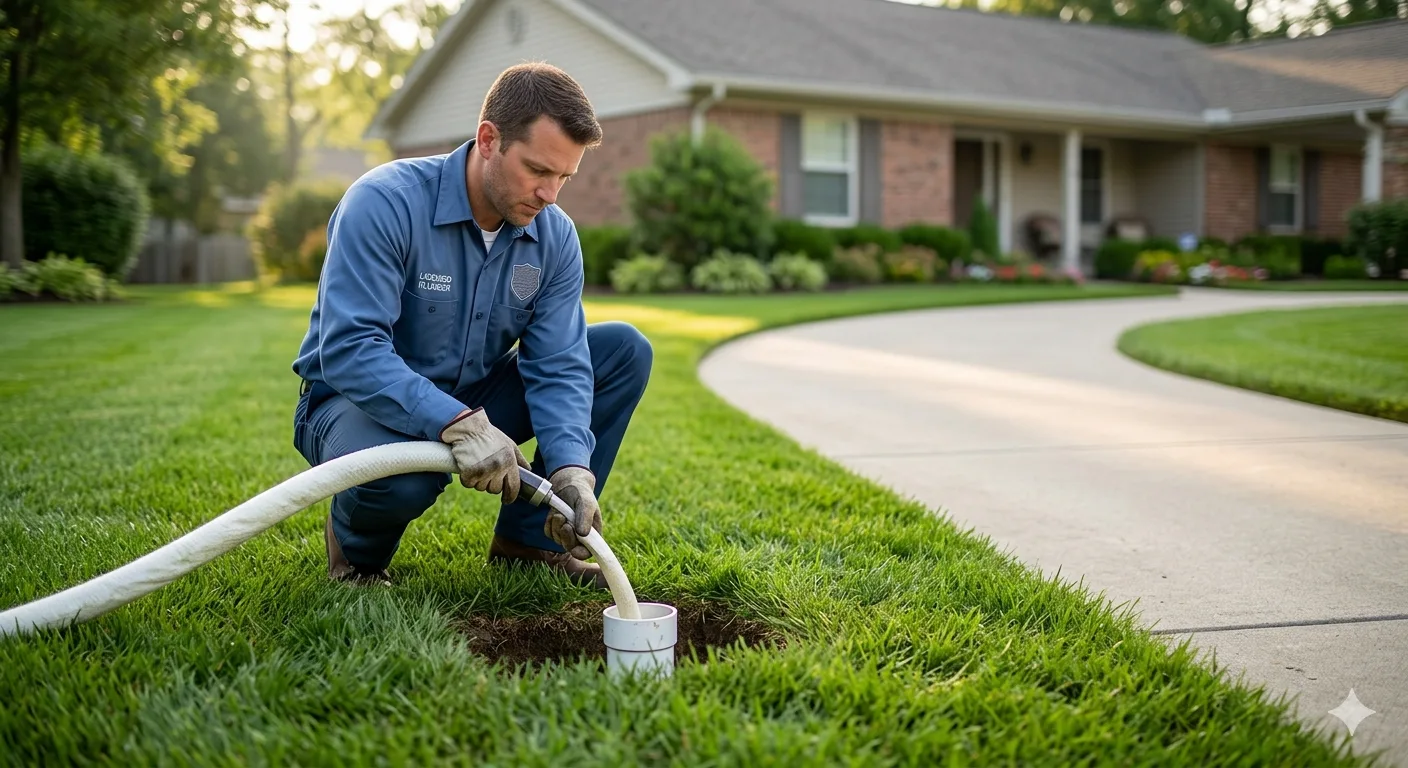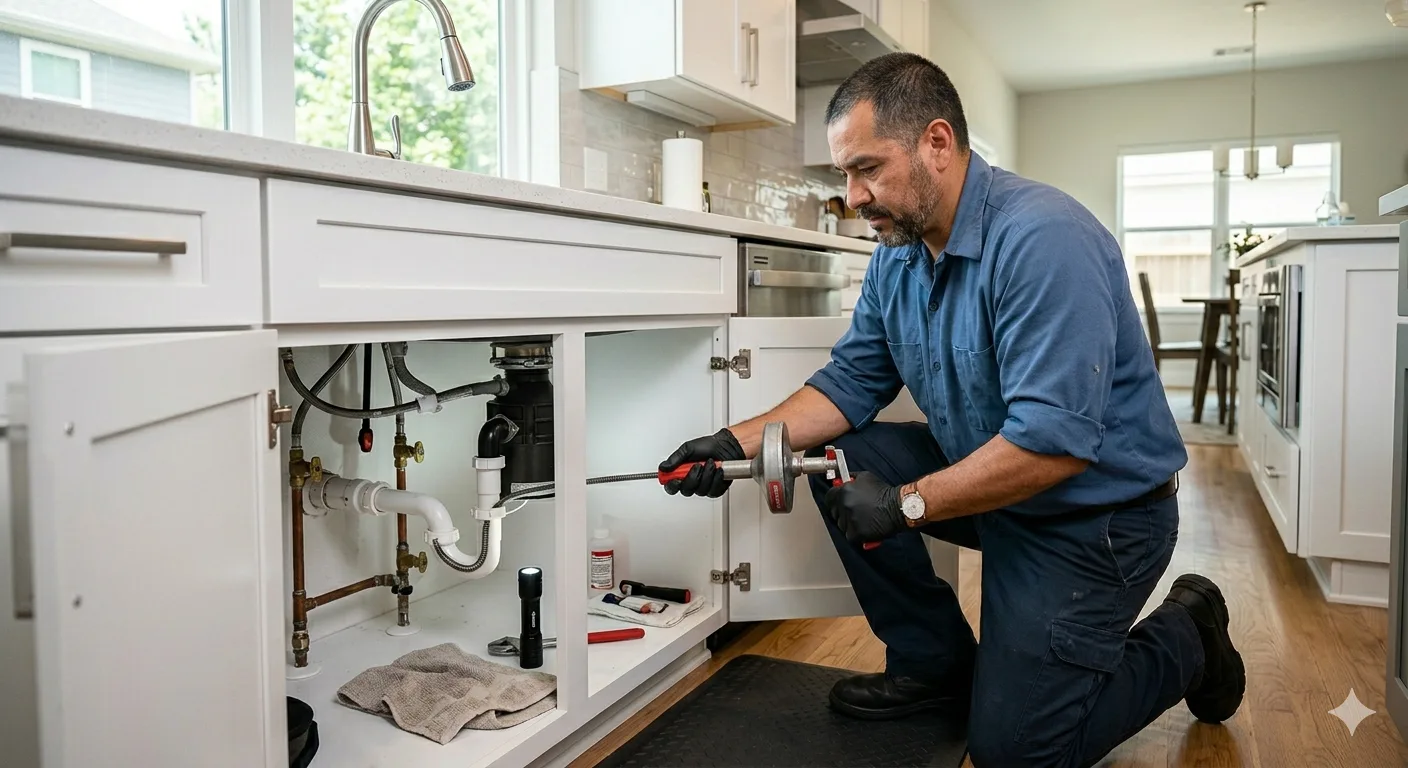
Houston homeowners face a unique set of plumbing challenges. The city’s clay-heavy soil shifts constantly, putting stress on underground pipes, and the subtropical climate accelerates the buildup of grease, soap residue and organic matter inside drains. Drain cleaning Houston professionals deal with these conditions every day, and knowing what they know can save you from a preventable disaster. Quick Answer: Drain cleaning Houston services remove blockages and buildup from residential and commercial pipes to prevent backups, flooding and structural water damage. The EPA warns that untreated drain problems can lead to sewage contamination in the home, which is a serious health hazard. A licensed local plumber can diagnose the root cause and clear the line safely using professional-grade equipment.
What Drain Cleaning Houston Homeowners Need to Understand First Drain cleaning is not simply about clearing a slow sink. Professional drain cleaning Houston plumbers assess the entire drain system, from the fixtures inside your home to the lateral sewer line that connects to the city main. According to the Plumbing-Heating-Cooling Contractors Association (PHCC), residential drain blockages are one of the top five most common service calls nationwide, and Houston ranks among the highest-volume markets due to its aging infrastructure in neighborhoods like Montrose, the Heights and Fifth Ward. Most homeowners first notice a problem when water drains slowly or a foul odor rises from the pipes. These are early warning signs that a partial blockage is forming. Left unaddressed, a partial blockage becomes a full one, and a full blockage can cause sewage to back up into sinks, tubs or floor drains. That kind of event typically costs between $3,000 and $7,000 to remediate, according to restoration industry estimates. 7 Trusted Tips for Drain Cleaning Houston Residents Should Follow
- Never pour grease down the drain. Grease cools and solidifies inside pipes, even when flushed with hot water. It coats pipe walls and traps food particles and debris over time. Houston’s warm climate loosens grease deposits temporarily but allows them to resettle further down the line. A grease trap or a designated disposal container is a far safer option for any home kitchen.
- Use enzyme-based drain treatments monthly. Enzymatic drain cleaners break down organic matter without corroding pipe walls. Unlike chemical drain cleaners containing sodium hydroxide or sulfuric acid, enzyme formulas are safe for PVC, cast iron and older galvanized pipes. The American Society of Plumbing Engineers recommends preventive maintenance as the most cost-effective way to extend the life of residential drain systems. A monthly treatment costs around $5 to $10.
- Know the difference between a slow drain and a main line clog. A single slow drain usually points to a localized blockage, such as hair in a bathroom sink or grease near a kitchen trap. When multiple fixtures back up at the same time, or when flushing a toilet causes water to rise in a nearby tub, the problem is almost certainly in the main sewer line. Main line clogs require professional hydro-jetting or mechanical snaking. Attempting to fix a main line blockage yourself risks pushing debris deeper and compacting it further.
- Schedule professional drain cleaning Houston service annually. Even if your drains appear to flow freely, buildup accumulates gradually inside pipe walls. Plumbers use video camera inspection tools to see inside lines and catch problems invisible from the surface. The PHCC recommends that homeowners schedule a professional drain inspection at least once per year, and every six months for homes with large families or frequent cooking. This is especially important in Houston, where tree root intrusion from oak and pine trees is a common cause of sewer line blockages.
- Avoid chemical drain cleaners as a long-term solution. Products sold at hardware stores can clear superficial clogs, but they are not designed for repeated use. Sodium hydroxide-based cleaners generate heat during the chemical reaction, which can warp or crack PVC pipes. The CDC has documented cases of chemical burns from improper handling of concentrated drain cleaners. More importantly, these products mask the symptom without addressing the underlying cause. A blockage that keeps returning despite repeated treatment is a sign of a structural issue only a licensed plumber can diagnose.
- Pay attention to outdoor drains and yard drainage. Houston’s heavy rainfall, averaging 49.77 inches per year according to the National Weather Service, puts significant pressure on outdoor drains, French drains and catch basins. In many older Houston homes, these components connect to the same infrastructure as your indoor plumbing. A clogged yard drain can direct water toward your foundation, and foundation movement is one of the leading causes of cracked sewer lines in the area. Keeping outdoor drains clear is as important as maintaining indoor ones.
- Call a licensed plumber before the problem escalates. The single most effective thing a Houston homeowner can do is act early. For a broader look at what Houston plumbing companies offer — including sewer camera inspection, slab leak detection, and water heater service — see plumbing companies in Houston, TX. For details on what a camera scope involves before any drain work quote, see what is a sewer camera inspection and what does it cost. A drain that is draining 25% slower than normal is already showing signs of significant buildup. Plumbers who specialize in drain cleaning Houston jobs carry hydro-jetting equipment capable of delivering water at pressures between 1,500 and 4,000 PSI, which clears even hardened grease deposits and tree root intrusions that no chemical product can touch. Early intervention keeps service costs in the $150 to $400 range rather than the thousands required for emergency repairs.