Most homeowners have never thought about their drain cleanout. They don't know where it is, what it looks like or why it matters. That's completely normal. It stays that way right up until the morning sewage backs up into the shower and a plumber explains that without accessible cleanout points, clearing the blockage means digging up the yard.
Quick Answer: A drain cleanout is a capped pipe fitting built into your sewer line that gives plumbers direct access to clear blockages without opening walls or excavating. They're typically located near the foundation, along the exterior of the home, or in a utility area. A blocked or missing cleanout doesn't just complicate repairs. It dramatically increases their cost.
What a Drain Cleanout Actually Does
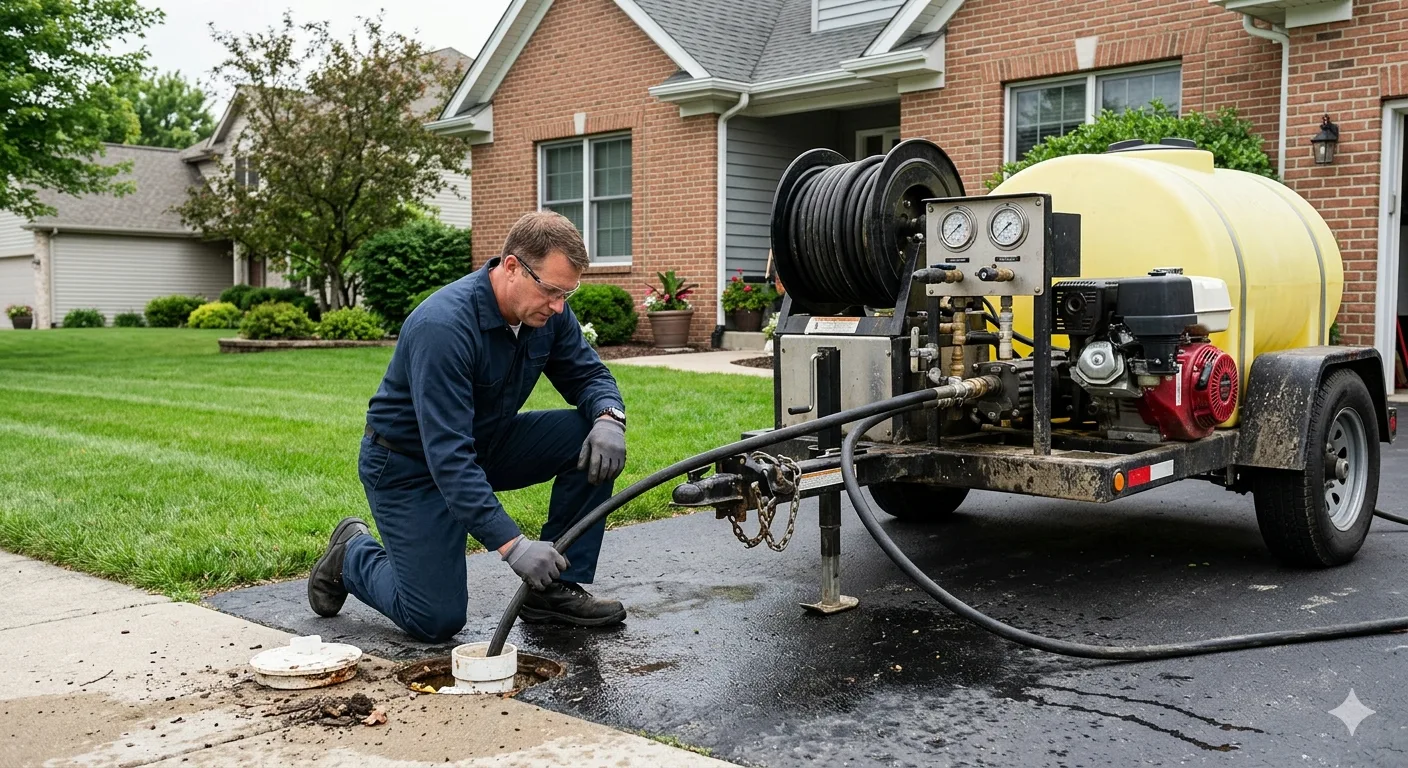
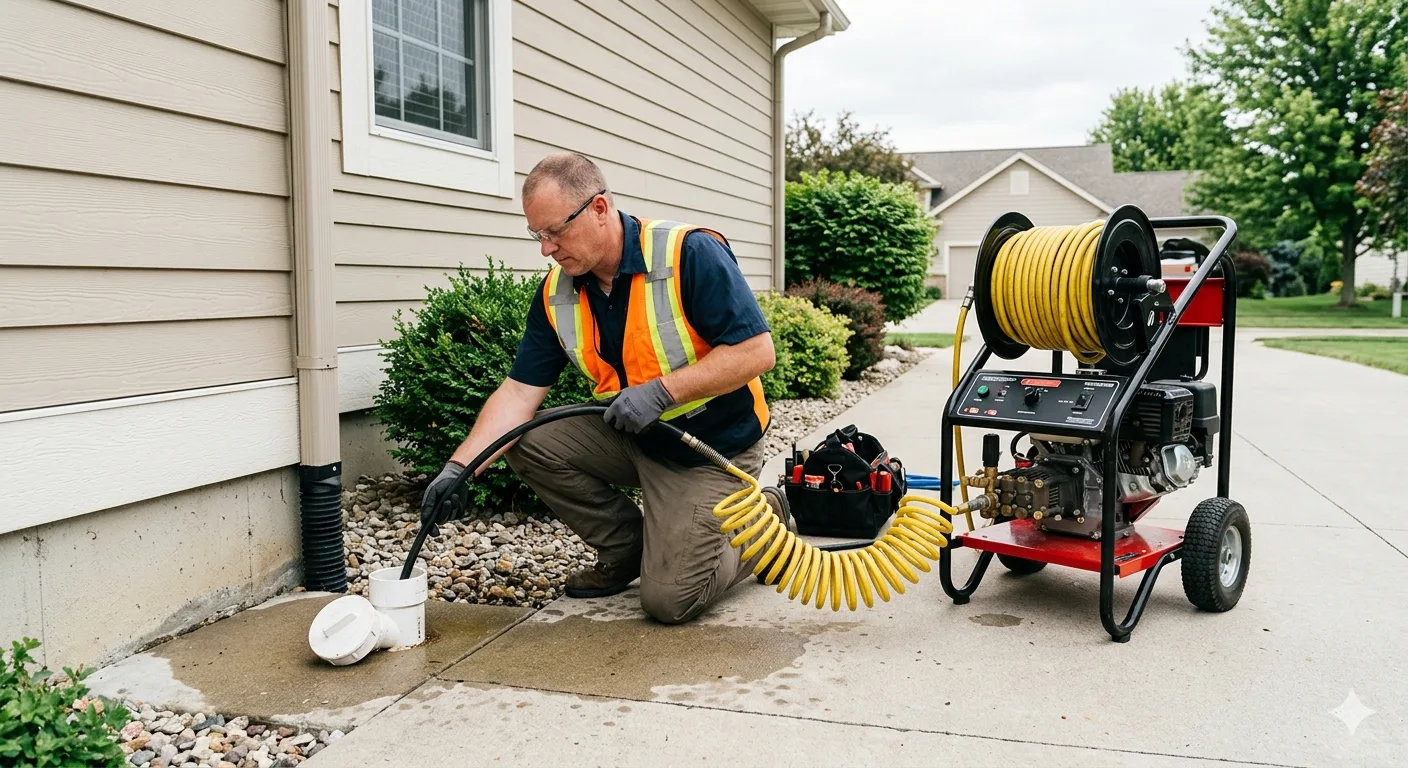
Think of a drain cleanout as a service hatch for your sewer line. When a blockage forms somewhere between your home and the municipal connection, a plumber needs a way in. Without a cleanout, the options are tearing into walls, pulling fixtures or digging up the pipe. With a properly placed cleanout, they thread a snake or hydrojet hose directly into the line, locate the blockage and clear it, often in under an hour.
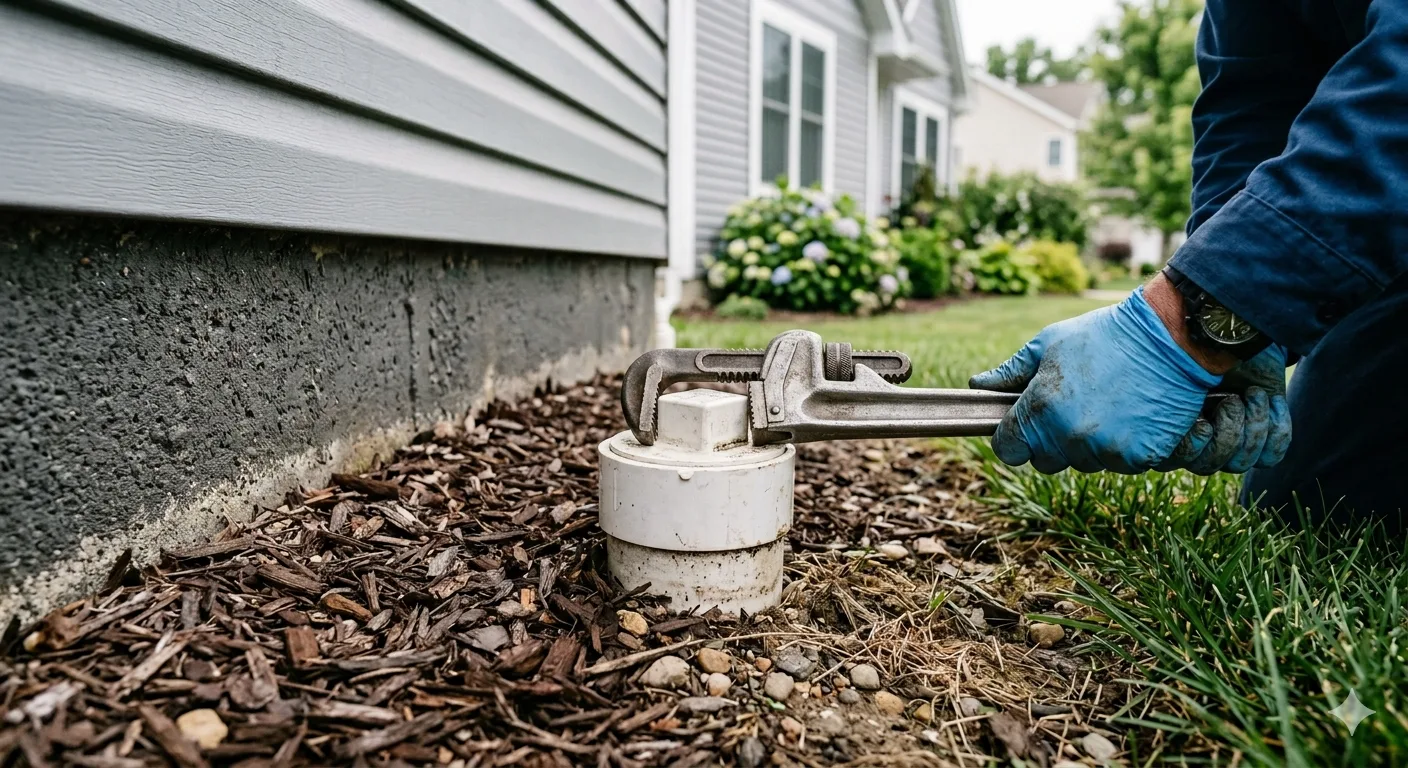
Most homes built after the 1970s have at least one main drain cleanout, usually a 3 or 4-inch PVC or ABS pipe capped with a threaded plug, within a few feet of where the sewer line exits the foundation. Older homes may have cast iron cleanouts or no accessible cleanout at all. A licensed plumber can locate it in a few minutes with a camera inspection.
Why a Blocked or Missing Drain Cleanout Becomes Expensive Fast
A drain cleanout that's buried under landscaping, concreted over during a renovation or simply missing from an older property doesn't announce itself as a problem until you need it. At that point, a $200 drain clearing job can turn into a $1,500 excavation to access the line, plus the cost of the clearing work itself.
The PHCC notes that inaccessible sewer lines are one of the leading drivers of inflated repair costs in older properties. A cleanout installation typically runs $100 to $350 and pays for itself the first time it prevents excavation.
5 Proven Steps to Keep Your Drain Cleanout Working
Locate it before you need it.
Find your main drain cleanout now, while everything is working. It's almost always within 3 to 5 feet of the exterior foundation, at ground level, with a square nut on a threaded cap. Mark it so you can point a plumber straight to it in an emergency. If you can't find it, a licensed plumber will locate and document it for you.
Check the cap for damage every year.
The cleanout cap is the only thing keeping sewer gases from entering the line from above and surface water from pouring into your drain system during heavy rain. A cracked or missing cap is a direct path for both. The EPA identifies sewer gas infiltration as a residential health concern, with hydrogen sulfide from sewage lines posing risks even at low concentrations. Replacing a damaged cap takes minutes and costs under $10.
Keep the area around it clear.
Cleanouts buried under mulch, paving or concrete can't be reached quickly when they're needed. A plumber arriving for an emergency backup who can't find the cleanout loses time you don't have. Keep the cap visible and the area around it clear.
Have it inspected as part of any drain service.
Whenever a plumber clears your drains, ask them to check the cleanout cap and collar condition too. Root intrusion around the fitting, a cracked collar or a cap that won't seal are simple to fix now and expensive to deal with after a backup.
Add one if your home doesn't have accessible access.
Homes built before modern plumbing codes may have no accessible drain cleanout, or have one that's been buried, concreted over or corroded shut. If a plumber has had to remove a toilet or access a line through the wall to clear a blockage in your home, that's the clearest possible sign a proper cleanout needs to be added. The CDC classifies sewage backup inside a home as a Category 3 water intrusion event, meaning contaminated water that poses direct health risks. Preventing it with a $200 cleanout installation is not a difficult decision.
What Happens During a Drain Cleanout Service Call
When you call a plumber for a sewer line blockage, the cleanout is where the work starts. The plumber removes the cap, inserts a camera to identify the blockage, then uses a snake or hydrojetter to clear it, faster and less disruptive than any alternative.
If the camera reveals root intrusion, grease buildup or a collapsed section, the plumber shows you the footage and explains the options. A cleanout that's properly located and accessible makes this diagnosis straightforward rather than invasive.
Frequently Asked Questions About Drain Cleanouts
How do I know if my home has a drain cleanout?
Check along the exterior of your foundation at ground level, particularly on the side of the house closest to the street. Also check inside near the main stack in a basement or utility room. If you find a capped pipe with a square plug on top, that's it. A licensed plumber can confirm its location and condition with a quick inspection.
Can I open a drain cleanout myself to clear a blockage?
You can remove the cap, but be cautious. If the line is under pressure from a backup, sewage can discharge when the cap is removed. Beyond that, DIY clearing tools rarely reach far enough or apply enough force to properly clear a main line blockage. A licensed plumber with a powered snake or hydrojet will clear it more completely and inspect the line condition at the same time.
What does it cost to add a drain cleanout to a home that doesn't have one?
Installation typically runs between $100 and $350 for a straightforward exterior cleanout addition. Homes where the sewer line runs under a concrete slab or requires significant excavation to access may cost more. The investment is almost always less than a single emergency repair that required excavation to reach the line without a cleanout in place.
How often should the main drain cleanout be serviced?
For most households, a professional sewer line inspection and cleaning every two to three years is sufficient. Homes with mature trees in the yard, older clay tile pipes or a history of recurring blockages benefit from annual service. After any major blockage event, have a camera inspection done to confirm no structural damage was caused.
Find a Trusted Local Plumber for Drain Cleanout Service Today
Knowing where your drain cleanout is and keeping it accessible is one of the simplest things a homeowner can do to avoid a genuinely unpleasant and expensive emergency. If you've never checked, now is the right time.
Visit PlumberLocator.us to find a licensed local plumber who can locate, service or install a drain cleanout at your property. For more guidance on keeping your sewer system in good shape, browse our plumbing tips section.