You've seen them hovering around the bathroom sink, clinging to the shower tile, or circling near the kitchen drain. You spray something, they disappear for two days, and then they're back. The cycle repeats because most people treat what they can see and leave untouched what they can't. A good drain fly killer approach doesn't start with a product. It starts with what's feeding the flies.
Quick Answer: A drain fly killer works by eliminating the organic biofilm inside drains where drain flies breed. Effective treatment combines mechanical pipe cleaning with a biological enzyme cleaner that digests the gelatinous buildup flies lay eggs in. When flies persist after thorough cleaning, a plumber should inspect for drain damage or slow-draining pipes that allow biofilm to accumulate faster than treatment can clear it.
Why Most Drain Fly Killer Products Fail Within Days
Drain fly killer sprays kill the adult flies you can see, but adult drain flies live only 8 to 24 days and represent a fraction of the population. The majority live in the gelatinous biofilm coating the interior of your drainpipe, as eggs and larvae, entirely protected from anything applied to the drain opening. An adult drain fly lays 10 to 200 eggs at a time in that biofilm. Kill every adult today and the next generation emerges within a week.
The EPA's guidelines on residential pest management make clear that integrated pest management, which focuses on eliminating breeding conditions rather than spraying adults, is the only reliable approach for recurring infestations. A drain fly killer strategy that ignores the pipe interior is temporary relief followed by the same problem.
The Drain Fly Killer Step That Most Homeowners Skip Entirely
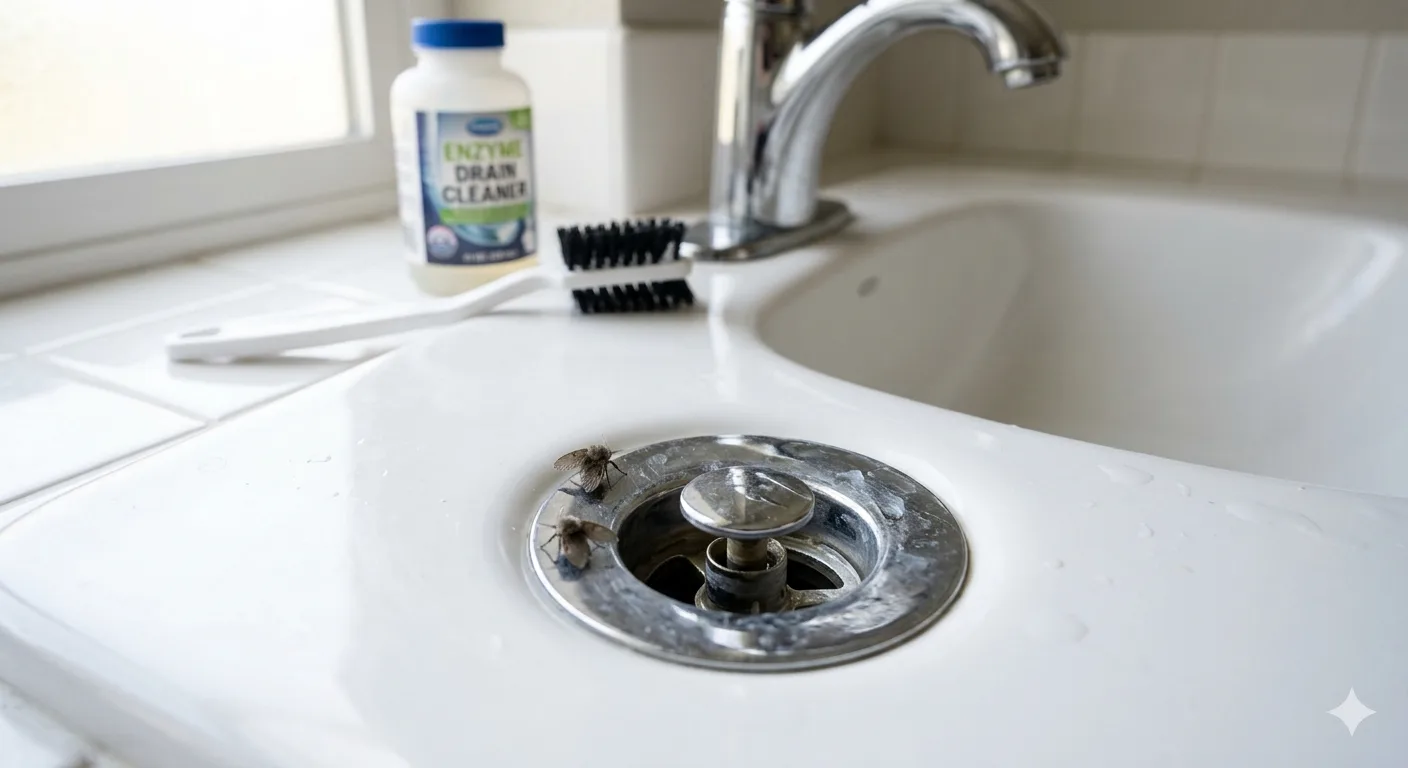
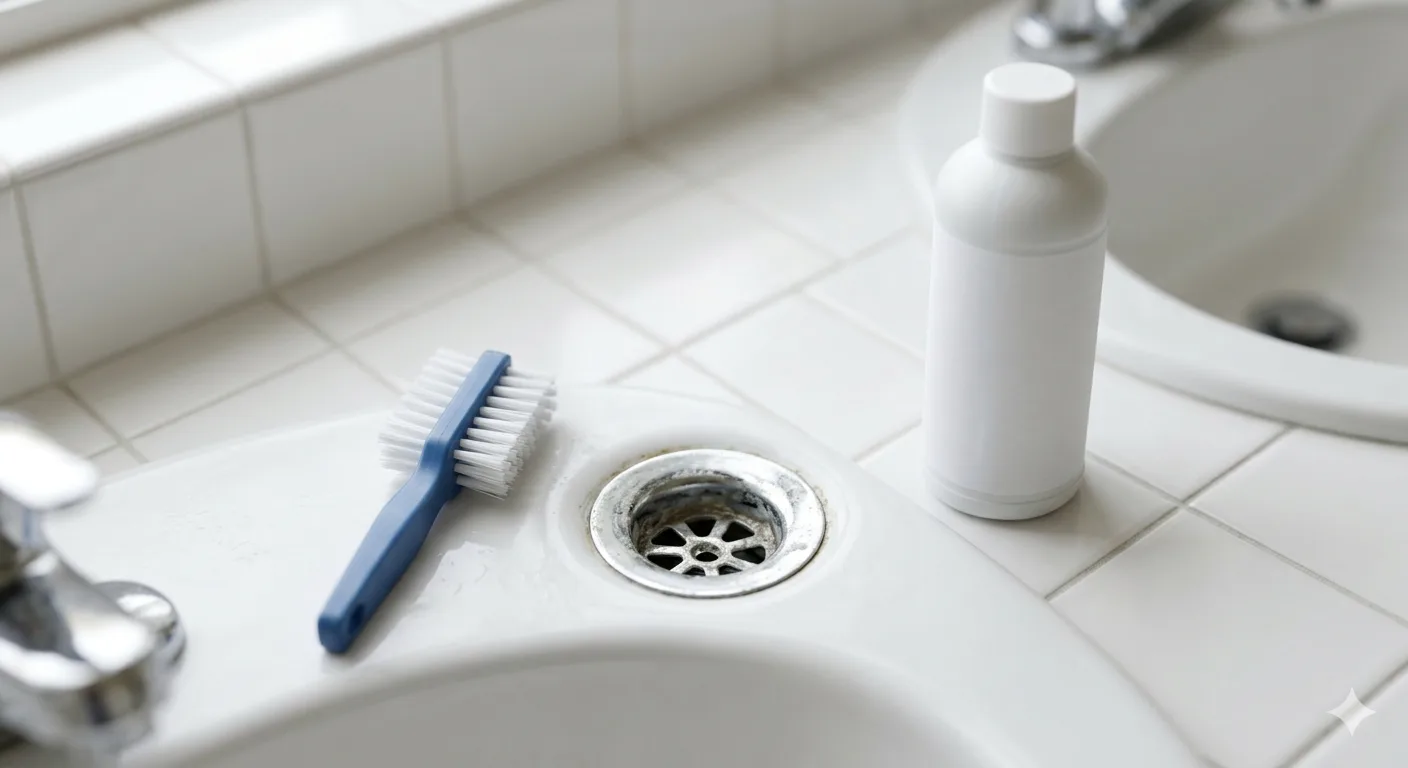
The most skipped step in any drain fly killer approach is physically cleaning the inside of the drainpipe. Enzyme treatments digest organic matter, but they work far better on a pipe that's had bulk biofilm removed mechanically first. A drain brush inserted into the drain opening and rotated against the pipe walls dislodges the thick layer that eggs live in. This takes about five minutes per drain and makes a meaningful difference in how quickly enzyme treatment can work.
Without the mechanical step, enzyme cleaner sits on top of thick buildup rather than contacting the pipe wall directly. The Plumbing-Heating-Cooling Contractors Association notes that slow drains and partial blockages accelerate biofilm buildup significantly, which means surface cleaning alone won't resolve the problem if drainage is already compromised.
How to Choose the Right Drain Fly Killer Treatment for Each Drain
Not every drain has the same drain fly problem. Kitchen drains accumulate grease and food debris that create a biofilm different from the soap scum and hair buildup in bathroom drains. Enzyme treatments for kitchen grease contain lipase enzymes that break down fat. Those for bathrooms rely more on protease enzymes that break down protein-based debris.
Floor drains in basements, laundry rooms, and garages are often the most overlooked breeding source. These drains may sit dry for extended periods, allowing the P-trap to lose its water seal. A dry P-trap gives drain flies from the sewer direct access into the home. Pouring a quart of water into every floor drain every few weeks keeps the trap sealed. No drain fly killer product required for that fix.
What a Plumber Finds When Drain Fly Killer Treatments Keep Failing
When a consistent drain fly killer routine using enzyme cleaners and mechanical cleaning still doesn't resolve the infestation after four to six weeks, the problem is almost always structural. A cracked drainpipe, a section with a belly where water pools, or a broken P-trap allows organic material to accumulate where no consumer product can reach. The flies breed there regardless of what goes into the drain opening.
A plumber uses a drain camera to identify damage, pipe bellies, root intrusion, or buildup that cleaning can't address. According to the American Society of Plumbing Engineers, recurring drain fly infestations in a specific fixture should be treated as a potential indicator of pipe damage rather than a hygiene issue. The solution in these cases is pipe repair, not more product.
The Drain Fly Killer Approach for Drains You Cannot Easily Access
Some drains make mechanical cleaning impractical. Tub drains with fixed overflow plates, floor drains under appliances, and drains in crawlspace areas are common problem points homeowners try to treat by pouring enzyme cleaner in and hoping. Enzyme cleaners need contact time against biofilm to work, and in drains with irregular use, that contact time is cut short.
The CDC's guidance on household pest control recommends addressing moisture and organic debris as the primary control method, noting that products alone fail when harborage conditions remain. For hard-to-reach drains, a plumber can clean the pipe from a cleanout point further along the line, reaching problematic sections from a different direction. Use our plumber directory to connect with a licensed plumber who can assess and clean problem drains.
Why Drain Fly Killer Results Depend on Fixing Slow Drains First
A drain that takes sixty seconds to clear water gives organic debris sixty extra seconds to settle against the pipe wall on every use. Slow drains accumulate biofilm faster than properly draining pipes, making them better breeding environments regardless of how often they're treated. The drain fly killer treats a symptom while the slow drain creates the condition.
Clearing the obstruction is therefore part of the drain fly killer process. A hair clog in a bathroom drain, grease in a kitchen line, or mineral deposit buildup all create the standing time biofilm needs. Once the drain flows at full rate, enzyme treatments become significantly more effective and infestations are far less likely to return. Visit plumbing tips for guidance on identifying slow drains before they become full blockages.
Frequently Asked Questions About Drain Fly Killer
How long does it take for drain fly killer treatments to work?
With consistent treatment including mechanical cleaning and enzyme applications every other day, most infestations clear in two to four weeks. Adult flies die off and new ones stop emerging as the breeding source is eliminated. Persistence matters more than product strength.
Are drain flies dangerous to health?
Drain flies are not known to bite or transmit disease directly. However, they can carry bacteria from breeding sites to surfaces they land on. Large infestations in food preparation areas warrant prompt resolution.
Can drain flies come from outside the house?
Yes. Drain flies breed in moist outdoor debris and standing water. They enter through windows, doors, and drain vents. If interior drains have been thoroughly treated but flies persist, outdoor entry points or a compromised roof vent pipe may be the source.
When should I call a plumber about drain flies?
Call a plumber when flies persist in a specific drain after four to six weeks of thorough treatment, or when you notice slow drainage alongside the infestation. These signs point to a pipe issue rather than a cleaning problem.
Find a Trusted Local Plumber for Drain Fly Killer Help Today
Drain flies are a plumbing problem wearing the disguise of a pest problem. When the treatments stop working, the pipe is usually the reason. Use our plumber directory to connect with a licensed local plumber in your area who can camera-inspect problem drains, clear slow-moving lines, and fix the structural issues that keep drain fly infestations coming back.
Our plumbing tips page covers drain maintenance, slow drain diagnosis, and the questions worth asking a plumber before the visit.