The sticky trap is full of tiny dead flies and it feels like progress. Then the next morning the bathroom has just as many. That's the core misunderstanding most people bring to a drain fly trap: it catches adults, and adults are the least of your problem. The breeding happens inside the drain.
Quick Answer: A drain fly trap catches adult flies but does not eliminate the infestation. Effective setups combine adult-catching traps with enzymatic drain cleaning to destroy the biofilm where drain flies lay eggs. When traps fill repeatedly despite cleaning, a plumber should inspect the drain for damage or standing water that sustains the breeding cycle.
Why a Drain Fly Trap Alone Cannot End an Infestation
A drain fly trap is a monitoring and reduction tool, not a solution. Adult drain flies live only 8 to 24 days. Trapping them reduces the visible population temporarily, but eggs and larvae in the drain biofilm continue developing on a 10 to 15 day cycle. A new generation emerges before the last trapped adults are gone.
The EPA's integrated pest management guidelines classify any approach focused solely on adult elimination without addressing the breeding habitat as symptomatic treatment rather than control. A drain fly trap is most useful as a diagnostic tool that tells you which drains are active sources. Every drain where the trap fills quickly is a drain that needs cleaning, not more traps.
The Apple Cider Vinegar Drain Fly Trap That Works as a Diagnostic Tool
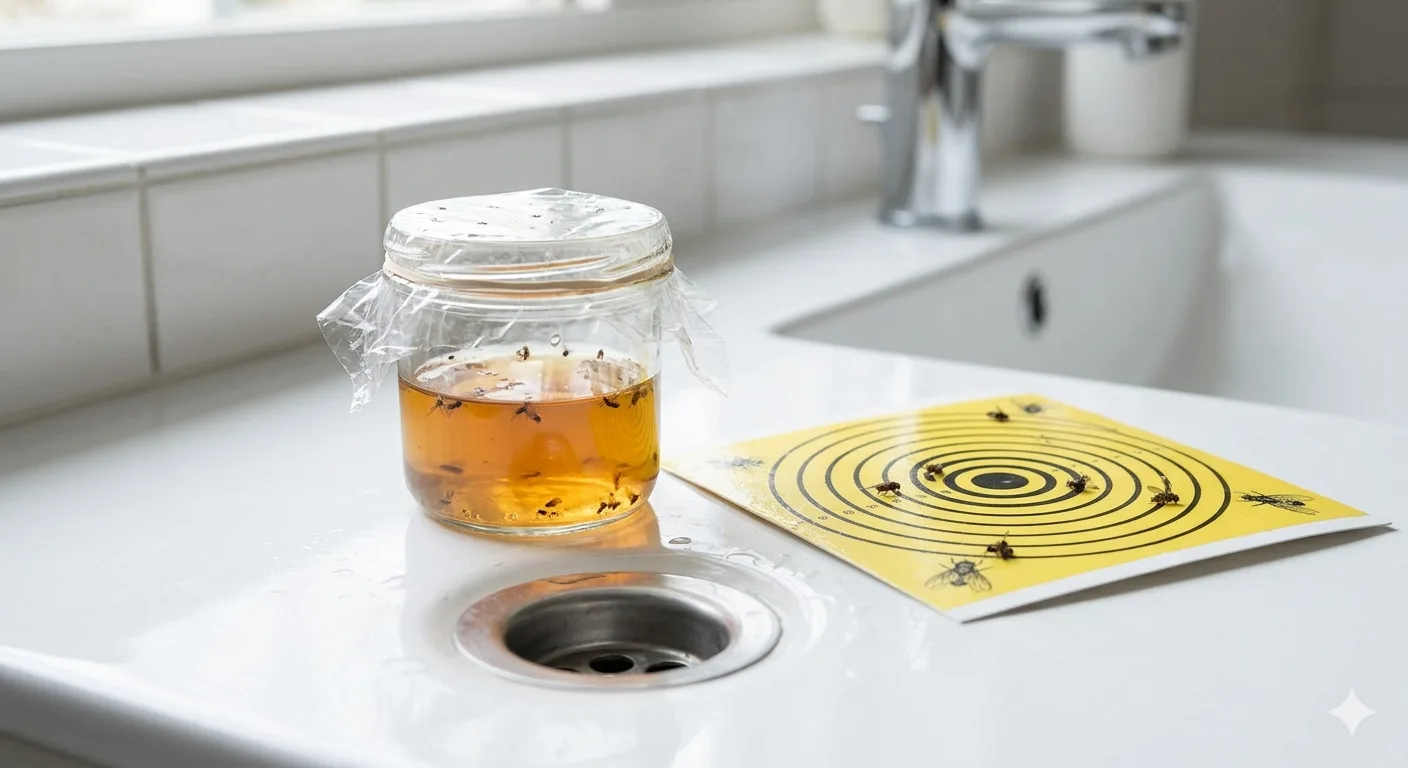
The apple cider vinegar drain fly trap gives genuinely useful information when placed correctly. Fill a small jar halfway with apple cider vinegar, add a few drops of dish soap to break the surface tension, and cover with plastic wrap secured with a rubber band. Poke five or six small holes in the wrap. Flies enter through the holes and drown when they contact the soapy surface.
Place one near each drain and check after 48 hours. A trap near the kitchen drain that has caught twenty flies while the bathroom trap caught two tells you the kitchen is your primary source. That targeted information directs cleaning correctly. Without this step, many people treat every drain equally and miss the one sustaining the population. Visit plumbing tips for additional drain identification techniques.
How to Use a Commercial Drain Fly Trap Without Wasting Your Money
Commercial drain fly traps come in UV light varieties, sticky pheromone boards, and in-drain gel inserts. UV units work best placed at floor level near active drains rather than high on a wall. Drain flies are weak fliers that stay low. Sticky pheromone boards outperform plain sticky traps and should be placed within two feet of the suspected source drain.
In-drain gel products are the weakest category. The Plumbing-Heating-Cooling Contractors Association notes that gel treatments inserted without prior mechanical cleaning have minimal contact with pipe wall biofilm and are largely ineffective as standalone drain fly trap solutions. Pair any commercial trap with actual drain cleaning or you're managing the appearance of progress rather than the infestation itself.
Building a Drain Fly Trap Into Your Cleaning Routine for Lasting Results
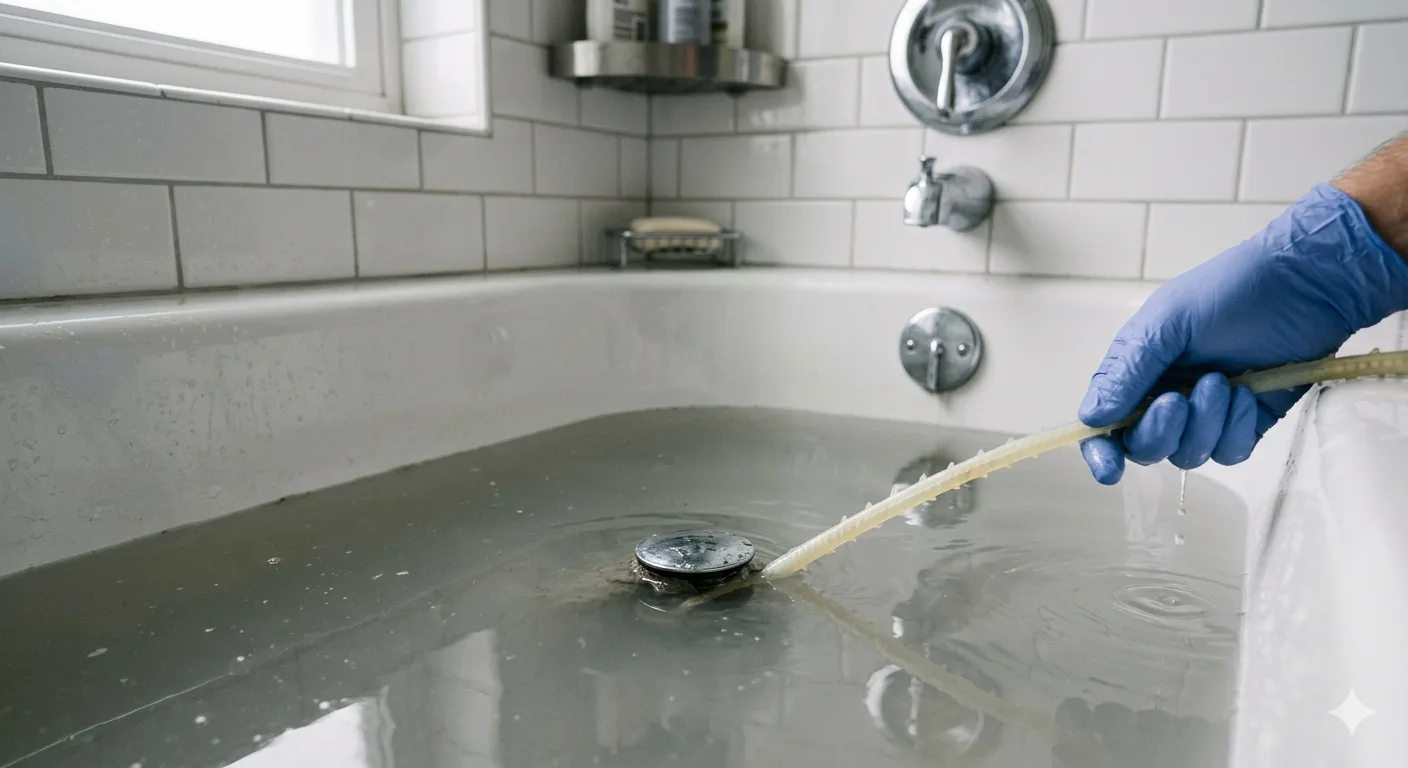
The most effective drain fly trap strategy combines adult trapping with enzymatic cleaning on a two-week cycle. Week one: place vinegar traps near all drains, identify the active sources, and clean those drains mechanically with a drain brush followed by an enzyme treatment. Week two: replace traps, assess catch levels, and apply a second enzyme treatment to active drains. Repeat until traps come up consistently empty.
The enzyme treatment disrupts the biofilm that eggs and larvae depend on while the trap monitors whether the adult population is declining. The American Society of Plumbing Engineers recommends a minimum of two full treatment cycles before concluding an infestation is resolved, since the larval cycle means a single treatment can seem effective before a second generation emerges. Patience and repetition outperform any single intervention.
What Your Drain Fly Trap Results Are Telling You About Your Pipes
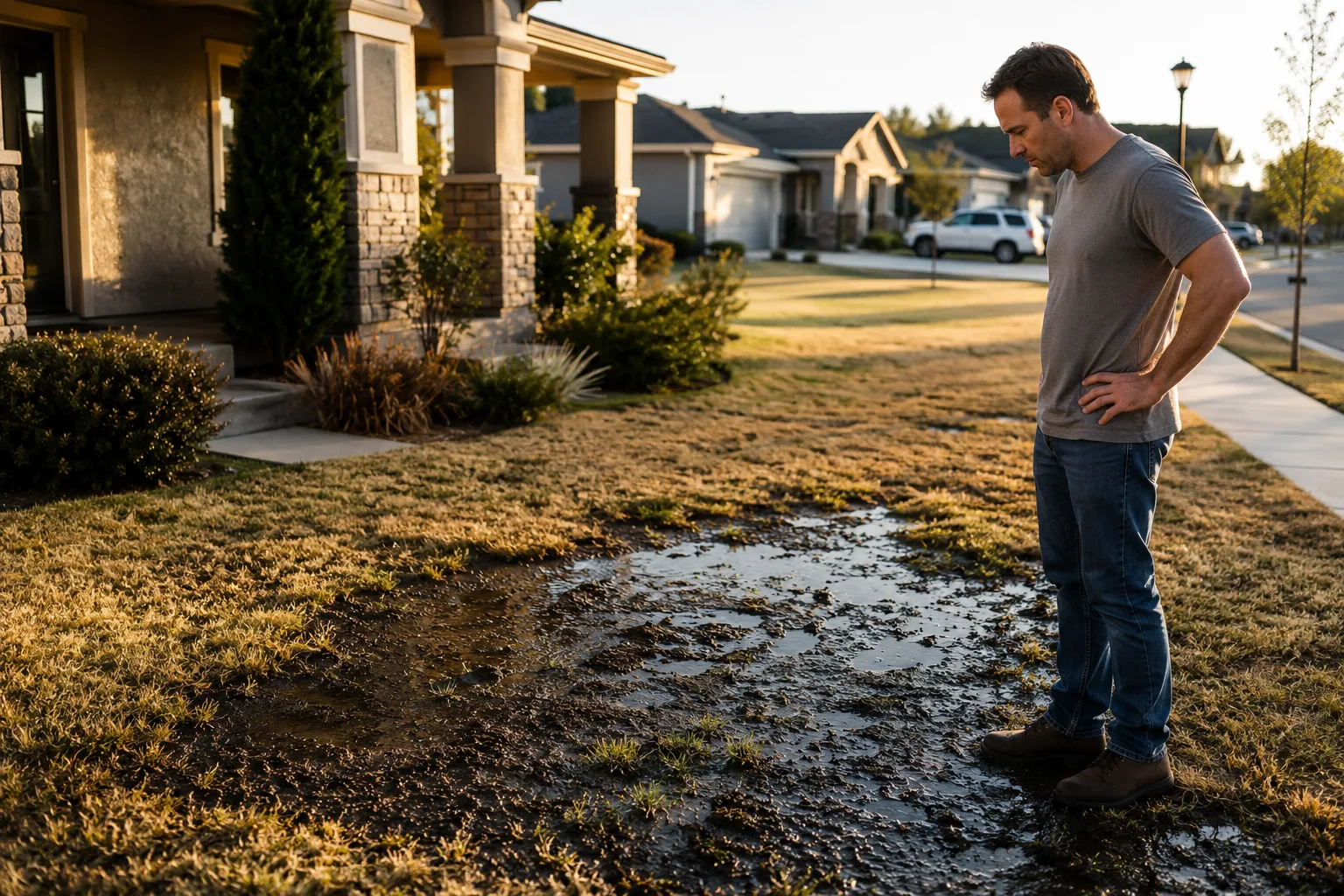
A drain fly trap that stays consistently full despite four or more weeks of cleaning is telling you something about the pipe itself. Full traps after thorough treatment usually indicate a pipe belly where water pools permanently, a crack in the drain line creating a wet zone outside the pipe, or a dry P-trap in a floor drain allowing flies direct sewer access.
A drain camera inspection resolves all three in one visit. According to CDC guidance on residential moisture control, persistent indoor fly activity linked to drains should be treated as a structural plumbing concern rather than a hygiene issue. Use our plumber directory to connect with a licensed plumber who can camera-inspect the drain and address any structural cause the trap results are pointing to.
Why Floor Drains Are the Worst Drain Fly Trap Targets and Best Breeding Sites
Floor drains in basements, laundry rooms, and garages are the breeding site most homeowners overlook and the location where a drain fly trap provides the least useful information. These drains often go unused for months, which allows the P-trap water seal to evaporate. A dry P-trap gives drain flies from the sewer unobstructed access into the home, meaning flies aren't breeding there at all but entering through it as an open passage.
A vinegar trap near a dry floor drain will catch flies, but cleaning that drain won't solve the problem because biofilm isn't the issue. Pouring a quart of water into every floor drain every two to three weeks restores the seal and closes the entry point. For drains that dry out quickly, plumber's mineral oil applied over the water seal extends its duration without any product going into the drain itself.
Frequently Asked Questions About Drain Fly Trap
How long does it take for a drain fly trap to show results?
A vinegar drain fly trap shows catches within 24 to 48 hours near an active source. UV and pheromone traps may take 72 hours to attract significant numbers. Declining catch rates over two to three weeks of combined trapping and cleaning indicate the infestation is resolving.
Can a drain fly trap alone eliminate an infestation?
No. Traps catch adults but do not reach eggs or larvae in drain biofilm. Infestations end only when the breeding habitat is eliminated through mechanical cleaning and enzyme treatment. Traps show you where to clean and confirm whether cleaning is working.
Where is the best place to put a drain fly trap?
Place traps at floor level within two feet of suspected source drains. Drain flies are low fliers and won't reach traps mounted high on walls. One trap per drain identifies which drains are active.
When should I call a plumber about drain flies?
Call a plumber when trap catch rates stay high after four to six weeks of consistent cleaning, or when flies emerge from a floor drain not recently used. These signs point to a pipe issue rather than a surface hygiene problem.
Find a Trusted Local Plumber for Drain Fly Trap and Removal Help Today
Traps tell you where the problem is. Cleaning addresses the surface. When both have been done consistently and flies keep coming, the answer is inside the pipe. Use our plumber directory to connect with a licensed local plumber who can camera-inspect active drains and fix the structural issues keeping drain fly infestations alive.
Our plumbing tips page covers drain maintenance schedules, P-trap care, and how to spot slow drains before they become breeding environments.