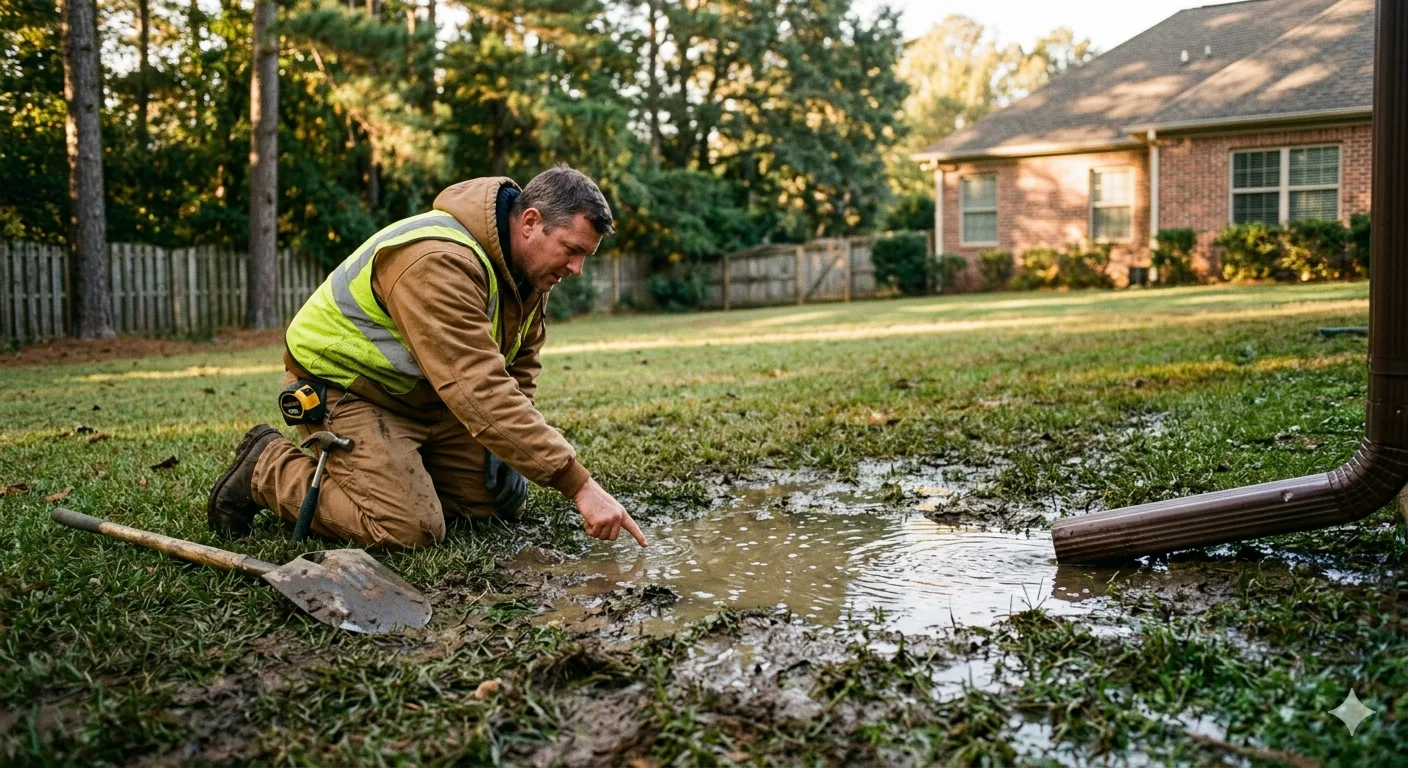
There is a moment every spring when the yard looks off. A soft patch here, a persistent puddle there, water tracking toward the foundation where it never used to sit. Most homeowners assume it is seasonal and wait it out. It is not seasonal. It is a drywell that has reached the end of its life, pushing water somewhere it has no business going. By the time the evidence is obvious, the damage underneath usually is not.
Quick Answer: A drywell is an underground chamber that collects and disperses excess water, such as roof runoff or graywater, into the surrounding soil. Most systems last between 10 and 30 years depending on soil conditions, usage load, and installation quality. When a drywell fails, water backs up to the surface and can damage landscaping, driveways, and foundations, so a licensed plumber or drainage specialist should assess and replace it.
What a Drywell Actually Does and Why Location Matters More Than Size
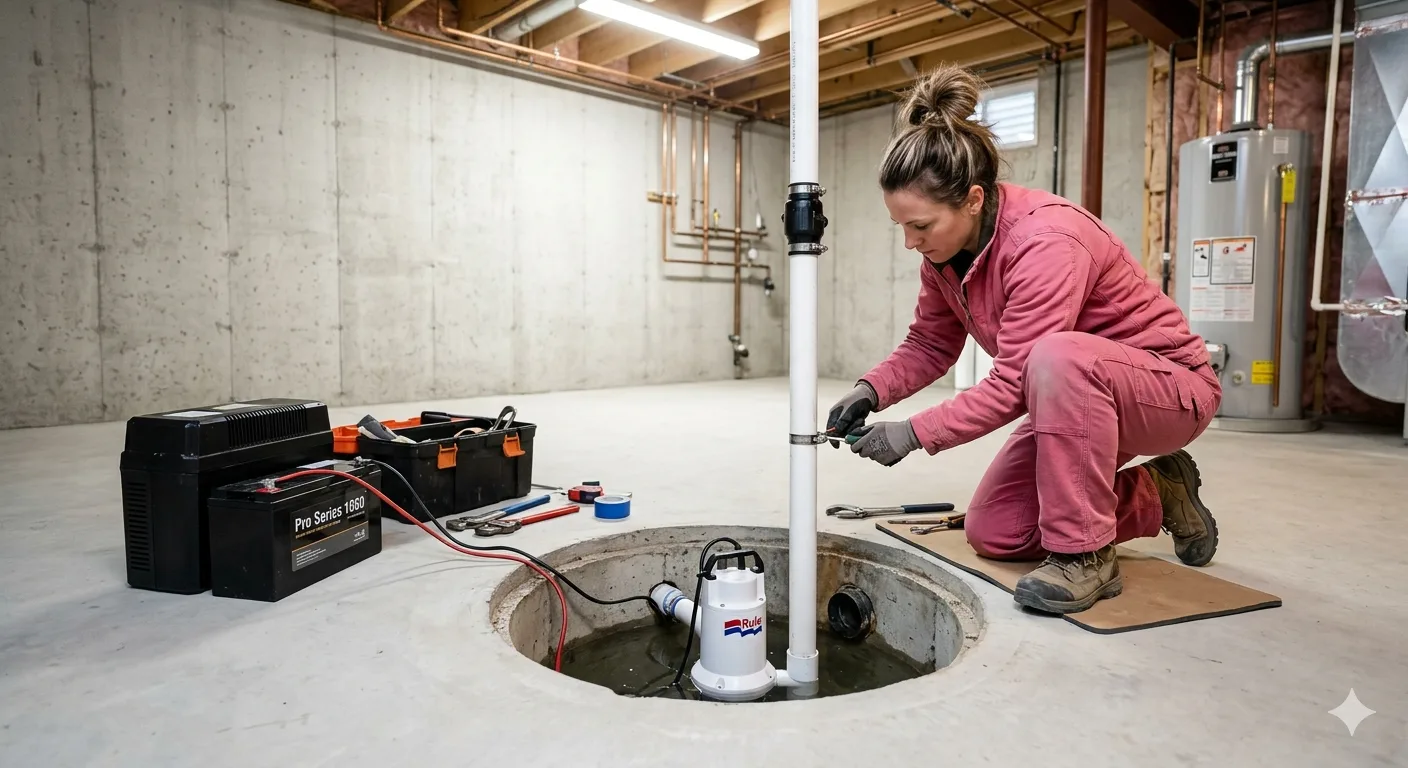
These systems collect water from a downspout, sump pump discharge, or graywater line and allow it to percolate slowly into the ground through a perforated chamber or loose stone fill. The rate of dispersal depends entirely on the permeability of the surrounding soil. Sandy, loamy soil absorbs water quickly. Clay-heavy soil barely absorbs at all, which is why systems installed in the wrong location fail within a few years regardless of how well they were built.
The typical residential chamber ranges from 3 to 6 feet in diameter and sits 4 to 10 feet deep. Depth matters because the soil layers closest to the surface are often the most compacted and least permeable. A properly placed system taps into a more absorbent soil layer below, giving dispersed water somewhere to go during heavy rain events rather than pushing it back up toward the surface.
The Drywell Failure Signs That Look Like Something Else
A failing system rarely announces itself with an obvious collapse or a visible crack. The first signs look like ordinary yard issues. The ground above the chamber gets soft and spongy after rain. A persistent wet patch appears even in dry weather, because the saturated soil has no more capacity to hold water. Downspout extensions flood their outlet zones instead of draining quickly.
The sign that gets missed most often is slow saturation spreading outward from the chamber. As surrounding soil becomes fully saturated, water follows the path of least resistance, which sometimes leads directly toward a home's foundation. The EPA estimates that poor stormwater management is one of the most common contributors to residential foundation issues in low-permeability soil areas, and a saturated system is one of the most frequent culprits.
Why a Drywell Fills Up and Stops Working Over Time
Every system has a finite lifespan because the surrounding soil gradually clogs. Fine particles from incoming water, including sediment, organic matter, and mineral deposits, accumulate in the soil over years. That deposited layer, called a biomat, reduces permeability to the point where water can no longer pass through at a meaningful rate. Once that happens, the chamber fills during every rain event and stays full.
In older systems, the chamber also degrades. Pre-cast concrete units crack as soil shifts around them, allowing soil to collapse inward and reduce capacity significantly. Plastic chamber systems installed in the 1990s and early 2000s are now reaching the end of their expected 15 to 25-year lifespan, which means a significant number of these systems are failing or close to it right now.
Drywell Sizing, Soil Testing, and What Professionals Check Before Installing
Any new or replacement installation requires a soil percolation test before excavation begins. A perc test measures how quickly water moves through the soil at the intended depth, directly determining the minimum chamber size needed to handle the expected water volume. Skipping this step is why so many DIY or improperly designed systems fail within a few years.
The CDC notes that improper soil assessment before subsurface water dispersal can create sanitary risks, particularly when graywater from laundry or sinks is involved. A licensed plumber performs the perc test, calculates the correct chamber volume, and selects appropriate materials. A professionally sized drywell typically costs between $1,500 and $5,000 installed, depending on depth and local material costs.
What a Drywell Replacement Actually Involves on Your Property
Replacing a failed system is more involved than most homeowners expect. The old chamber has to be excavated, disrupting whatever is on the surface above it, including lawn, plantings, or paving. The saturated soil often needs to be partially removed and replaced with clean gravel or engineered fill to restore adequate permeability around the new chamber.
In many municipalities, a permit is required before any subsurface drainage work begins. Permitted installations include inspections at multiple stages, protecting homeowners from contractors who cut corners. A system installed without permits may not appear on property records, creating complications during home sales. Find a licensed contractor through PlumberLocator.us and review more guidance at our plumbing tips hub.
How to Tell if Your Drywell Issue Needs a Plumber or a Drainage Engineer
The answer depends on what is connected to the system. One handling roof runoff is a stormwater management issue, and a licensed plumber with drainage experience can typically design and install the replacement. One handling sump pump discharge or graywater requires someone familiar with local code requirements for subsurface water dispersal, which varies significantly by state and county.
If a failing system has allowed water to reach the foundation or caused visible settling, a structural assessment is warranted before excavation. The scope of a drainage replacement widens quickly once the ground is opened. A licensed plumber can evaluate the situation and determine whether the job stays in their scope or needs a civil engineer.
Frequently Asked Questions About Drywell
How long does a drywell last?
Most residential systems last between 10 and 30 years, depending on water volume, soil permeability, and installation quality. Systems in clay-heavy soil or those receiving high sediment loads from roof runoff tend to reach the low end of that range.
Can I install a drywell myself?
In some jurisdictions, small systems for roof runoff are allowed without permits, but most municipalities require permits and inspections for any subsurface drainage installation. A DIY installation without a proper perc test will almost certainly be undersized, which means it will fail quickly and the excavation cost gets paid twice.
Is a drywell the same as a French drain?
No. A drywell is a vertical chamber that disperses water downward into the soil. A French drain is a horizontal perforated pipe system that redirects water laterally to a different outlet. Both manage excess water but work differently and suit different site conditions.
What is the difference between a drywell and a cesspool?
A cesspool holds raw sewage. A drywell disperses clean or lightly used stormwater or graywater. The two are not interchangeable, and connecting sewage to one is illegal in all US jurisdictions and a serious public health risk.
Find a Trusted Local Plumber for Drywell Today
A failing system does not correct itself with a dry summer. The saturated soil around the chamber stays compromised, and every subsequent rain event compounds the problem. The sooner it gets assessed, the less collateral damage ends up on your property.
Head to PlumberLocator.us to connect with a vetted licensed plumber in your area, and visit our plumbing tips hub for more on drainage systems, foundation protection, and what to ask before any excavation project begins.