You've put up fly traps for drain flies and caught a dozen. A week later there are just as many. The traps are working. The problem is they only catch adults. Hundreds of larvae are growing inside the organic film coating your drain pipe, hatching into a new generation faster than any trap keeps up. To end the infestation, you need to deal with what's inside the pipe.
Quick Answer: Fly traps for drain flies catch adult flies but do not eliminate the infestation. Drain flies breed in the thick organic film that builds up on the interior walls of slow or underused drains. Clearing that film through mechanical drain cleaning or enzyme treatments is the only way to eliminate the breeding environment. A licensed plumber can clear the drain properly and confirm the source of the infestation if it isn't responding to DIY methods.
Why Traps Alone Never Solve a Drain Fly Problem
Drain flies breed in the film of decomposing organic matter that coats the inside of drain pipes with slow water movement. A female lays 30 to 100 eggs at a time in that film. Eggs hatch within 48 hours under warm conditions. The adults live only a few days but breed immediately.
Fly traps for drain flies catch the adults but don't reach the eggs or the film inside the pipe where the next generation is developing. The EPA identifies standing organic material in drain pipes as the primary breeding environment in residential settings. Until that material is removed, the cycle continues regardless of how many adults you catch.
6 Trusted Ways Fly Traps for Drain Flies Work With Drain Cleaning
Use sticky traps near the drain to identify which drain is infested.
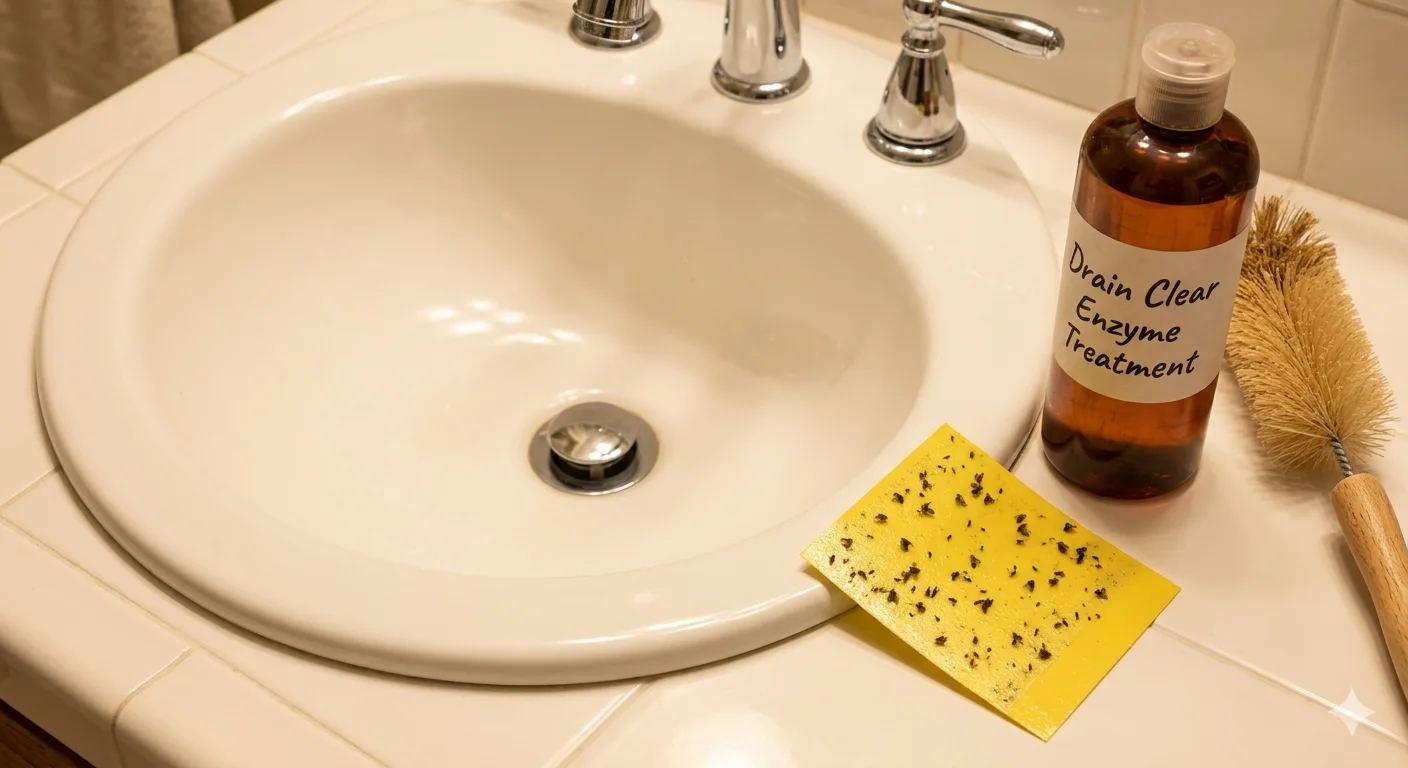
Before clearing anything, confirm which drain is the source. Place a piece of sticky tape over the drain opening overnight. If drain flies are emerging from that drain, they'll stick to the tape. This step matters because a bathroom sink, shower drain, floor drain and kitchen drain can all host infestations independently. Treating the wrong drain wastes time. Fly traps for drain flies placed near each suspect drain narrow down the source in one to two nights.
Clean the drain opening and strainer of visible film.
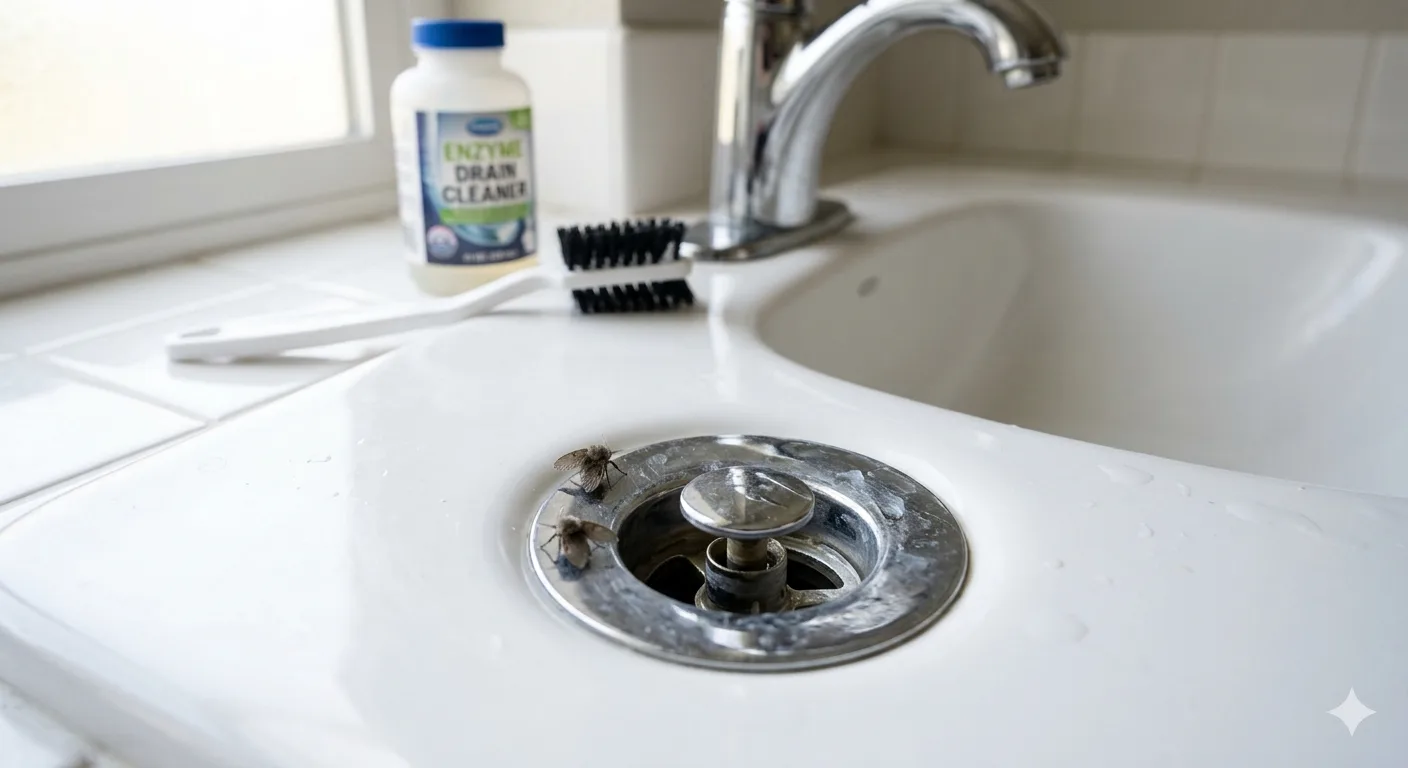
Remove the strainer, clean it thoroughly with a stiff brush and dish soap, and wipe the visible drain opening with a cloth soaked in a diluted bleach solution. This removes surface-level organic material where eggs are laid. It won't clear the film deeper in the pipe, but it eliminates the most accessible breeding surface and removes what fly traps for drain flies don't reach.
Use a drain snake or bottle brush to scrub the P-trap.
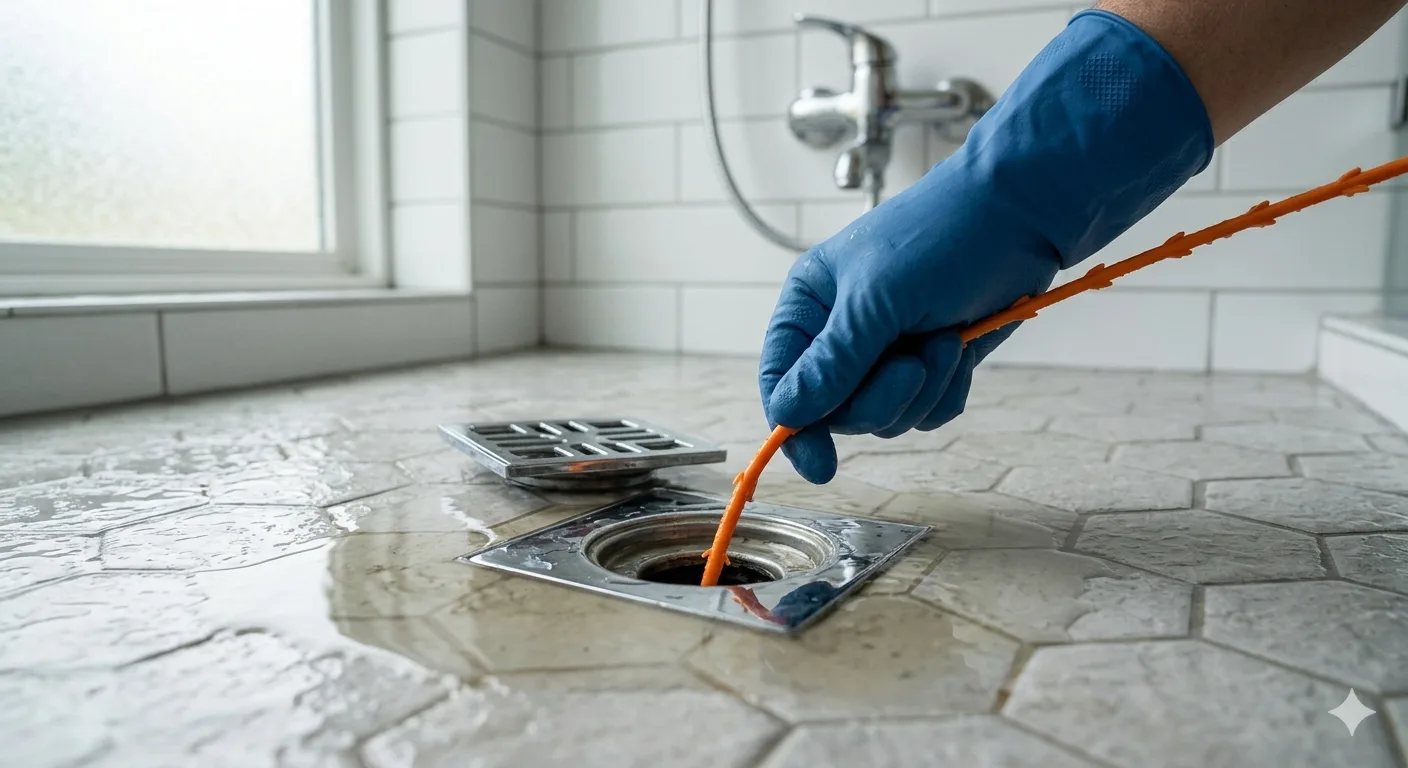
The P-trap is where most organic film accumulates. A stiff bottle brush inserted and rotated against the pipe walls removes the coating that drain flies breed in. Follow with boiling water to flush debris. The PHCC recommends mechanical scrubbing over chemical treatments because it removes the biofilm rather than partially dissolving it.
Apply enzyme drain treatment weekly until the infestation clears.
Enzyme-based drain treatments break down organic matter without corroding pipe walls or harming plumbing. Pour the treatment down the infested drain in the evening and leave it overnight so it can work without being flushed away. Weekly application over three to four weeks breaks down the film layer by layer and eliminates the breeding environment. This is the most effective ongoing maintenance approach after initial mechanical cleaning.
Check and treat floor drains, overflow drains and seldom-used fixtures.
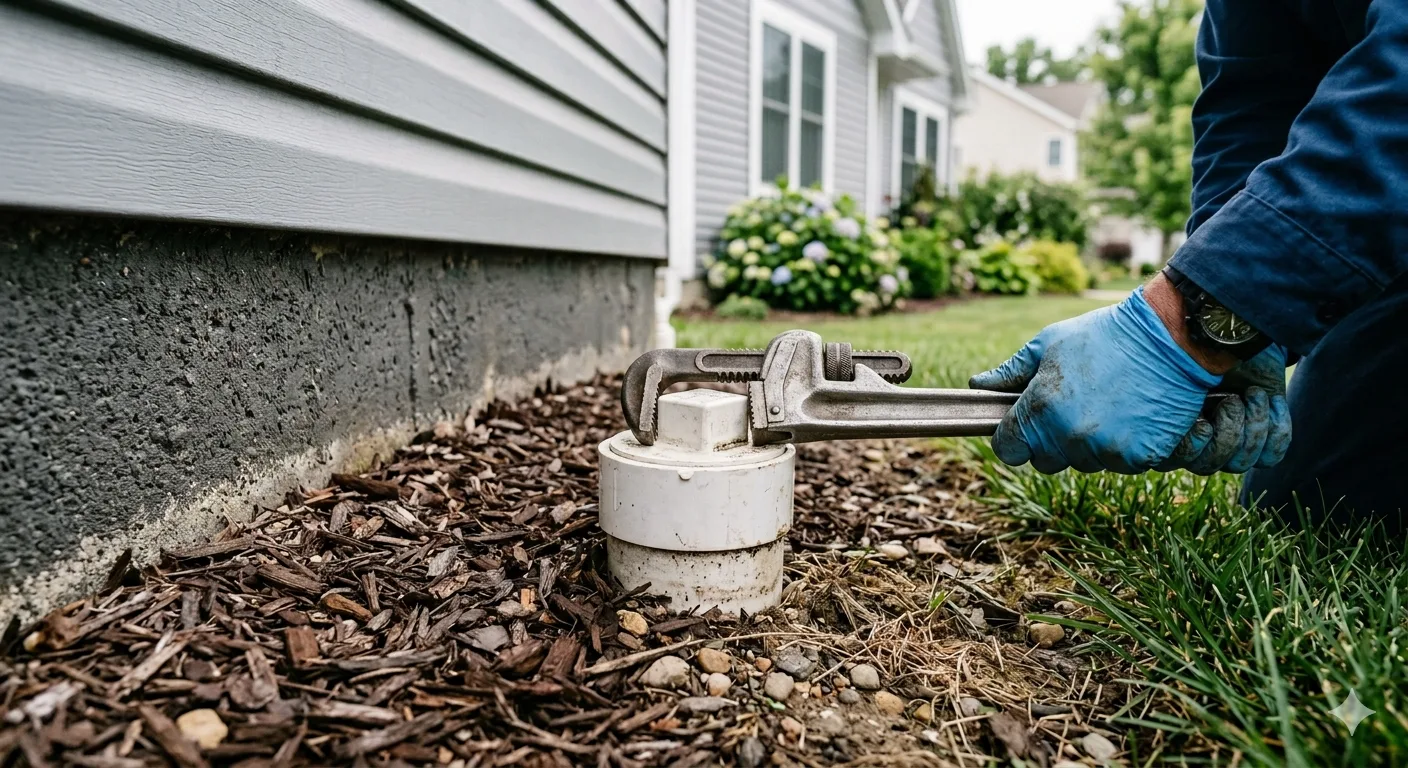
Infestations often originate in seldom-used drains: floor drains in basements, overflow openings on bathroom sinks, drain pans under refrigerators. These develop thick films because water doesn't flush through them regularly. If fly traps for drain flies keep catching adults but primary drains look clean, check these secondary sources. Monthly enzyme treatment down each seldom-used drain prevents buildup.
Call a licensed plumber when the infestation doesn't resolve within four weeks.
If the drain has been cleaned, enzyme treatments have been applied consistently and fly traps for drain flies are still catching adults after four weeks, the breeding source is somewhere you haven't reached. Main sewer lines, cracked pipe sections where organic material accumulates, and drain connections hidden behind walls can all harbour infestations that surface cleaning never reaches. A licensed plumber with a camera inspection tool can identify the source, and a professional hydrojetting service can clear film from the full length of the line, including sections no DIY tool gets to. The CDC notes that persistent drain fly infestations can indicate underlying sanitation issues in the drain system that warrant professional assessment.
What Fly Traps for Drain Flies Are Actually Good For
Traps have a legitimate role, just not the primary one. Placed near a drain, they confirm the drain is active and show whether the infestation is improving. When trap catches drop after cleaning and enzyme treatment, the approach is working. When counts stay high, the source hasn't been cleared.
Apple cider vinegar traps, made by filling a glass halfway with vinegar and covering it with punctured plastic wrap, are as effective as commercial sticky traps for monitoring and cost almost nothing.
Frequently Asked Questions About Fly Traps for Drain Flies
How long does it take to get rid of drain flies completely?
With consistent mechanical cleaning and weekly enzyme treatments, most infestations resolve within three to four weeks. The lifecycle from egg to adult takes about 21 days, so eliminating the breeding environment for a full month disrupts all life stages. Fly traps for drain flies help monitor progress throughout.
Can drain flies come from outside the house?
Drain flies live exclusively in organic film in moist, warm environments. They are not outdoor insects that wander in. If you have drain flies inside your home, the breeding source is inside your drain system. The adult flies you see emerged from larvae growing in a drain or other moist organic accumulation inside the building.
Do drain flies pose a health risk?
Drain flies do not bite, sting or transmit disease directly. However, large infestations in a drain system indicate significant organic buildup that can harbour bacteria and contribute to sewage odour. The underlying drain condition that supports the infestation is the health concern, not the flies themselves.
Is bleach effective against drain flies?
Bleach can kill eggs and larvae on contact at the drain opening but doesn't penetrate the thick biofilm deeper in the pipe where most breeding occurs. It also degrades rubber gaskets with repeated use. Enzyme treatments are more effective at clearing the film that supports breeding because they digest the organic material rather than simply sanitising the surface.
Find a Trusted Local Plumber to End Your Drain Fly Problem Today
Fly traps for drain flies are a useful monitoring and containment tool, but they are not a solution on their own. If the drain has been cleaned and treated and the flies keep coming, the source is further in the system than a DIY approach reaches.
Visit PlumberLocator.us to find a licensed local plumber who can inspect and clear the drain line completely. For more practical advice on keeping your drains clean and your plumbing healthy, browse our plumbing tips section.