If you smell gas in your home right now, stop reading this and leave the building immediately. Don’t flip a light switch, don’t use your phone inside, don’t open the gas valve or try to locate the leak. Get outside, move away from the structure and call 911 and your gas utility from a safe distance. Gas leak repair is not something you diagnose, investigate or attempt to fix yourself. That part comes after the emergency has been contained by professionals.
Quick Answer: Gas leak repair involves locating and fixing damaged gas supply lines, fittings, appliance connections or regulator failures that are allowing natural gas or propane to escape. It must be performed by a licensed plumber or gas engineer after the gas supply is shut off and the space has been confirmed safe. A gas leak is a life-safety emergency. Evacuate first. Call 911 second. Gas leak repair comes third.
What to Do Right Now If You Suspect a Gas Leak
Get everyone out of the building immediately, including pets. Leave doors open as you exit but don’t slow your exit to do it. Do not turn any electrical switches on or off. Do not use any appliances. A single spark in a gas-rich environment can cause an explosion.
Once outside, call 911 and your gas utility’s emergency line. The utility will send a technician to shut off the gas at the street and confirm whether re-entry is safe. Do not go back in until they give clearance. After they secure the scene, a licensed plumber performs the gas leak repair to find and fix the source.
What Are the Signs of a Gas Leak Before You Smell Anything?
Does a Gas Leak Smell Like Rotten Eggs?
Natural gas is odourless in its natural state. Utilities add mercaptan to create the sulphur smell most people recognise. If you smell it anywhere in your home, treat it as a confirmed gas leak emergency regardless of how faint it is. The CDC notes that gas concentrations above the lower explosive limit create immediate risk of fire and explosion. Faint smells mean small leaks. Small leaks grow.
Can You Hear a Gas Leak Near a Gas Line or Appliance?
Gas escaping from a fitting or damaged pipe under pressure makes a faint but consistent hissing sound. This is audible near appliances when they’re not in use, near exposed gas lines in utility areas and near the gas metre. A hissing sound near any gas fitting is a gas leak until a licensed professional confirms otherwise.
Can a Gas Leak Kill Plants or Grass in Your Yard?
Natural gas escaping from underground supply lines kills vegetation directly above the leak point as it displaces oxygen in the soil. A strip of dead grass or plants in a line across a yard where gas lines run is a recognised sign of an underground gas leak. The EPA identifies outdoor gas leak indicators including dead vegetation and visible bubbling in standing water above the pipe path as grounds for immediate utility notification.
Can an Unexplained High Gas Bill Signal a Leak?
A sudden and unexplained increase in gas consumption with no corresponding change in household usage or weather is a sign that gas is escaping somewhere in the system. This is the least urgent early indicator, but it is a real one. If your bill has increased significantly and every other explanation has been ruled out, request a gas leak inspection from a licensed plumber or your utility.
What Do Bubbles in Standing Water Near a Gas Line Mean?
Water pooled near a buried gas line that shows persistent bubbling when there is no rain or wind is consistent with gas escaping through saturated soil. This is the outdoor equivalent of the hissing sound from an indoor fitting. Notify your gas utility immediately and keep people away from the area until it has been assessed.
Can a Gas Leak Cause Headaches, Dizziness, or Nausea?
Low-level gas exposure below the smell threshold can still cause symptoms. Headaches, nausea or dizziness that improve when you leave and return when you come back, combined with any other indicator, should prompt an immediate gas leak inspection. The PHCC notes that carbon monoxide from faulty gas appliances is a leading cause of residential poisoning, and CO symptoms overlap significantly with minor gas leak exposure.
What Does Gas Leak Repair Actually Involve?
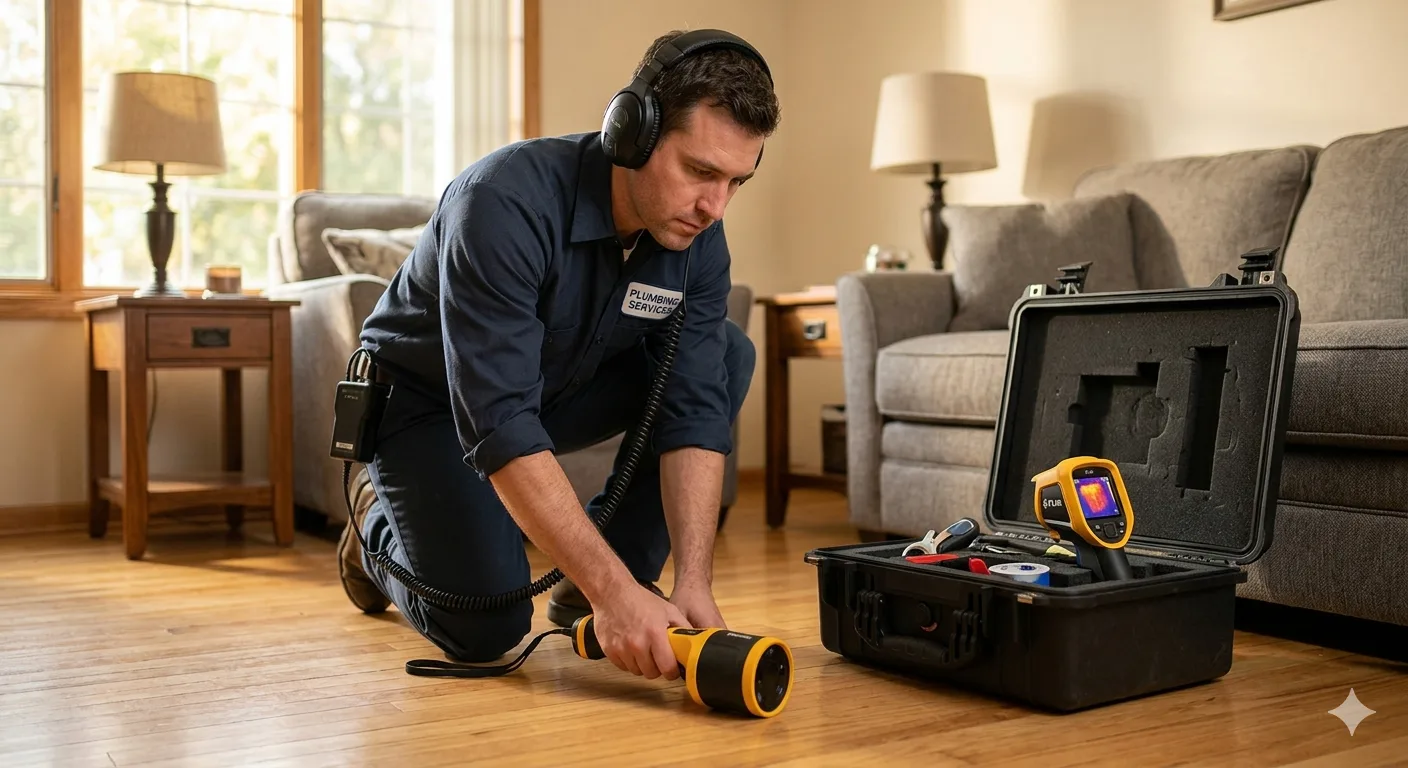
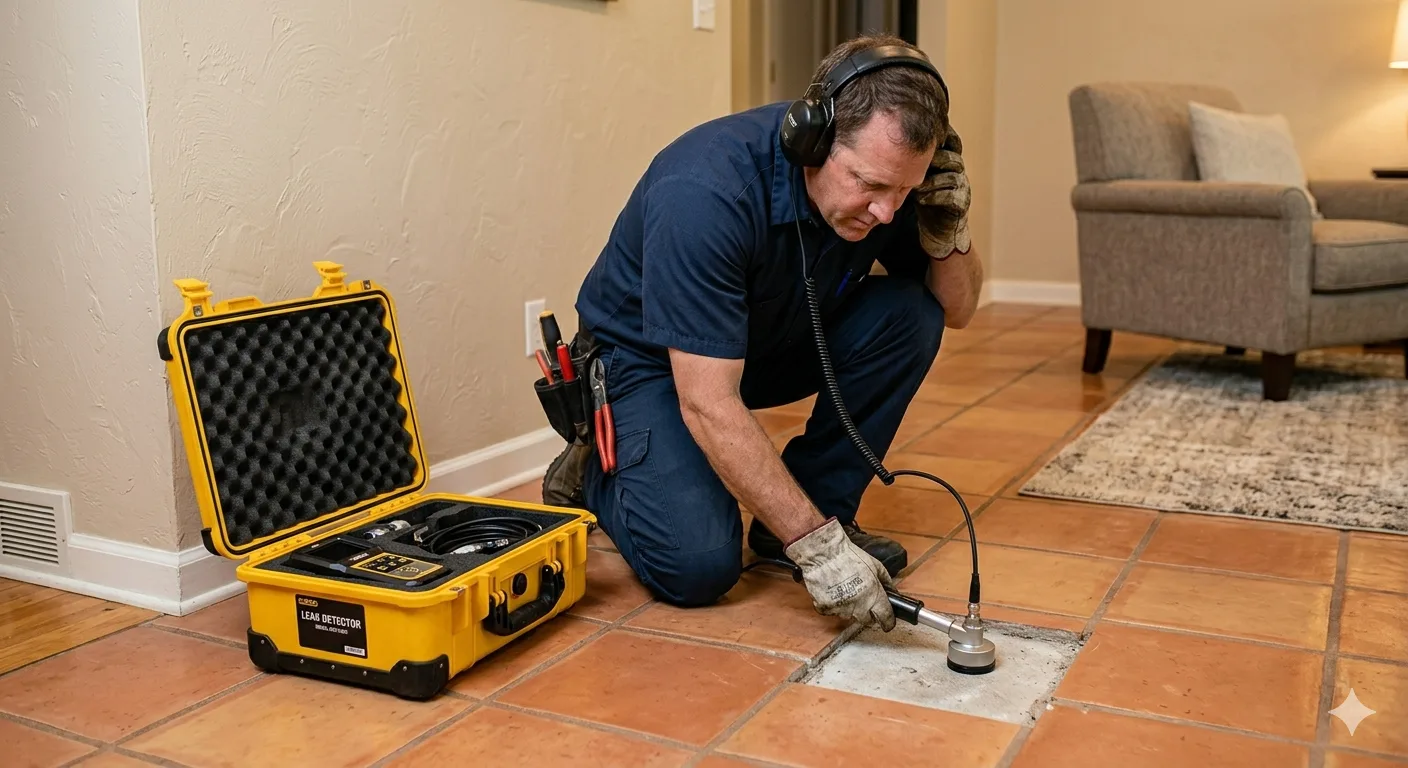
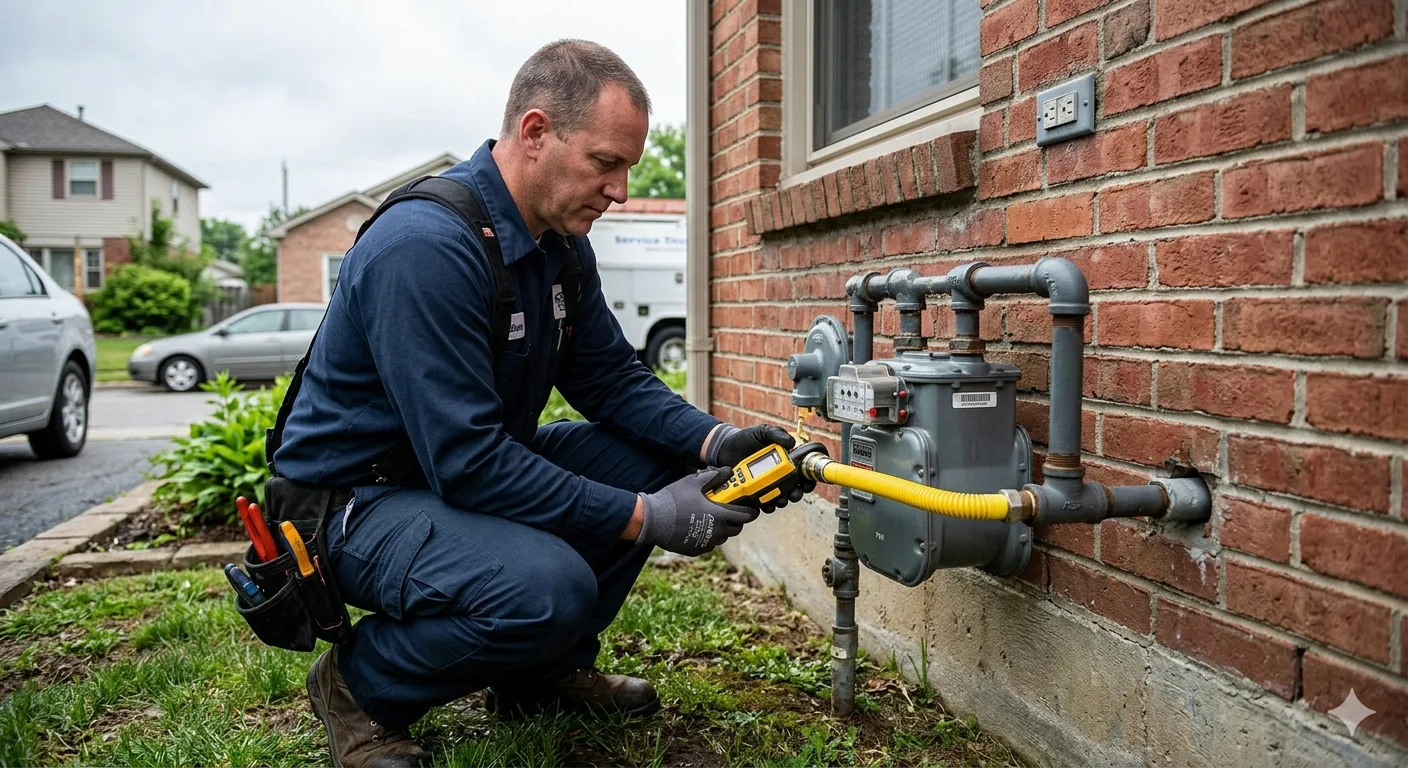
After the emergency is contained and re-entry confirmed safe, gas leak repair begins with locating the exact source through pressure testing, electronic detection and visual inspection of all accessible fittings.
Common sources include corroded fittings on gas lines behind appliances, failed flexible connectors on ranges and dryers, deteriorated pipe thread sealant and cracked regulator assemblies. A licensed plumber locates the failure, replaces the component and pressure-tests the repair before gas service is restored. Most residential gas leak repairs are completed in one visit.
Frequently Asked Questions About Gas Leak Repair
How much does gas leak repair cost?
A straightforward gas leak repair involving a fitting replacement or flexible connector swap typically runs $150 to $400 for a licensed plumber. Repairs involving buried lines, regulator replacement or section pipe replacement run $400 to $1,500. Emergency call-out fees apply if the repair is needed outside normal business hours.
Can I use gas leak detector spray myself?
Soapy water or commercial gas leak detector spray can confirm the presence of a leak at a specific fitting by causing visible bubbling. This is useful for confirming a suspected minor leak at a single appliance connection after the gas is safely on and no symptoms of a major leak are present. It is not a substitute for professional gas leak repair. If you see bubbles at a fitting, shut off the gas to that appliance and call a licensed plumber.
Who repairs gas leaks, a plumber or the gas company?
The gas utility company is responsible for the supply line from the street to the metre. Everything from the metre into the home is the homeowner’s responsibility, and a licensed plumber handles gas leak repair on that section. The utility company shuts off supply and confirms outdoor safety. The plumber repairs the indoor system.
How long does it take for gas to dissipate after a leak?
With windows and doors open, gas disperses within 15 to 30 minutes for minor leaks. After a larger event, a utility technician uses detection equipment to confirm safety before clearing re-entry. Do not make this determination yourself.
How Do You Find a Trusted Local Plumber for Gas Leak Repair?
A gas leak repair is not a problem that gets better with time. Every moment gas continues to escape is a moment of risk to everyone in and near the building. After the emergency has been managed and the utility has confirmed safety, a licensed plumber completes the repair correctly so it doesn’t happen again.
Visit PlumberLocator.us to find a licensed local plumber in your area experienced with gas leak repair and gas line service. For more guidance on keeping your home’s plumbing and gas systems safe, browse our plumbing tips section.