If you run a commercial kitchen, restaurant, or food service operation, grease trap installation isn’t optional it’s the law. A properly installed grease trap protects your plumbing, keeps you compliant with local health codes, and prevents costly sewer blockages. Whether you’re setting up a new facility or replacing an aging unit, this guide covers everything you need to know about grease trap installation from start to finish. plumberlocator.us will be guiding you today
What Is a Grease Trap and Why Does It Matter?
A grease trap (also called a grease interceptor) is a plumbing device designed to capture fats, oils, and grease (FOG) before they enter the municipal wastewater system. When FOG enters the sewer, it cools, solidifies, and accumulates, leading to blockages, backups, and expensive infrastructure damage.
For restaurants, cafes, hotels, and any facility that prepares food commercially, a grease trap is both a practical necessity and a regulatory requirement. Most municipalities require grease traps to be installed, sized correctly, and maintained on a regular schedule.
What Types of Grease Traps Are There?
Before installation begins, you need to choose the right type for your operation:
Passive (Small) Grease Traps These are compact, indoor units typically installed under the sink. They’re suitable for small food service operations with low grease output. They require frequent manual cleaning, sometimes weekly.
Automatic Grease Removal Units (AGRUs) These electric units automatically skim grease from the water surface at set intervals. They’re more efficient and require less manual maintenance, making them ideal for medium-sized kitchens.
Large In-Ground Grease Interceptors These are buried outside the building and handle high-volume grease output from large commercial kitchens. They hold hundreds to thousands of gallons and are typically pumped out by a licensed professional every 30–90 days.
Step-by-Step Grease Trap Installation
Step 1: Determine the Right Size
Sizing your grease trap correctly is the most critical step. An undersized unit will fill up too quickly and fail to capture FOG effectively. Most local codes specify sizing requirements based on:
- The number of fixtures draining into the trap (sinks, floor drains, dishwashers)
- The flow rate of each fixture in gallons per minute (GPM)
- The grease retention time required by your municipality
The standard formula used by most plumbers is: Flow Rate (GPM) × Retention Time = Grease Trap Capacity. A licensed plumber or your local authority having jurisdiction (AHJ) can help you calculate the exact size.
Step 2: Check Local Codes and Pull Permits
Never begin a grease trap installation without checking local plumbing codes and obtaining the necessary permits. Requirements vary significantly by city and state. Key things to verify include:
- Required trap size and material (concrete, fiberglass, or steel)
- Setback distances from property lines or the building foundation
- Inspection requirements before backfilling (for in-ground units)
- Whether a licensed plumber must perform the work
Skipping permits can result in fines, forced removal, and failure to pass health inspections.
Step 3: Choose the Installation Location
For indoor passive traps, the unit is typically installed beneath a sink or in the floor near kitchen drains. For outdoor interceptors, the location must allow easy access for maintenance vehicles and comply with distance requirements from building entry points, water supply lines, and property boundaries.
Step 4: Prepare the Site
For an in-ground interceptor:
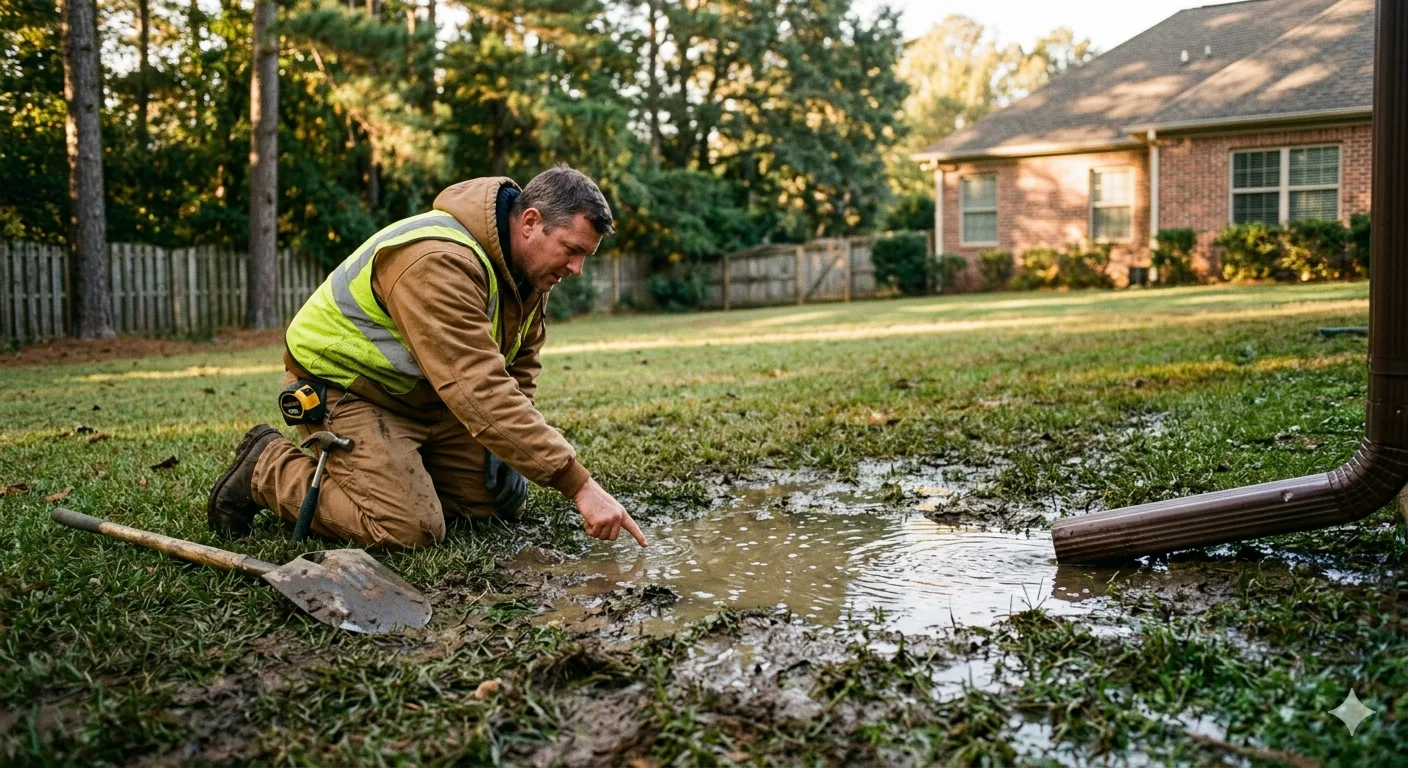
- Excavate the area to the depth and width specified by the manufacturer
- Ensure the base is level and compact a concrete pad is often recommended
- Confirm there are no underground utilities in the excavation zone (always call 811 before digging)
For an indoor passive trap, clear the under-sink space and confirm the drain line pitch is adequate for proper flow.
Step 5: Connect the Inlet and Outlet Plumbing
The grease trap sits between the kitchen drain lines and the sewer. The basic connection sequence is:
- Inlet side: Kitchen drains flow into the trap through the inlet pipe
- Inside the trap: FOG floats to the top; water settles to the bottom and flows out
- Outlet side: Clarified water exits through the outlet pipe toward the municipal sewer
Ensure proper venting above each connection to prevent siphoning and vacuum formation, which disrupts the trap’s separation process. Most codes require a vent stack or air admittance valve at or near the trap.
Step 6: Seal and Inspect
Once plumbing connections are complete:
- Apply approved sealant around all inlet and outlet penetrations
- Fit the access lid securely (it must be watertight but removable for service)
- Run water through the system and check for leaks before covering any in-ground installations
- Schedule the required inspection with your local building department
Step 7: Establish a Maintenance Schedule
Installation is only the beginning. Grease traps must be cleaned regularly to stay effective and compliant. Most health departments require a cleaning log. General guidelines:
- Passive indoor traps: Clean every 1–4 weeks, depending on usage
- Automatic units: Check the collection canister weekly; deep clean monthly
- In-ground interceptors: Pump out every 30–90 days by a licensed waste hauler
Letting a grease trap exceed 25% of its capacity with FOG and solids reduces its efficiency and can trigger violations during inspections.
What Are the Most Common Grease Trap Installation Mistakes to Avoid?
- Undersizing the trap for the volume of your kitchen
- Skipping the permit and failing health or plumbing inspections
- Improper slope on drain lines — inlet and outlet pipes need the correct fall per foot
- Connecting a dishwasher directly — hot water and detergent from dishwashers can emulsify grease, bypassing the trap. Some codes prohibit this connection entirely
- Neglecting maintenance after installation, leading to overflows and fines
When to Call a Professional
While small passive traps can sometimes be installed by experienced DIYers, most commercial grease trap installations require a licensed plumber. In-ground interceptors always do. The stakes — code compliance, health inspections, and potential sewer damage liability are too high to cut corners.
If you’re unsure about sizing, local requirements, or the installation process, consult a licensed plumber or mechanical engineer with experience in commercial kitchen plumbing.
What Are the Key Takeaways?
Proper grease trap installation protects your business, your building’s plumbing, and the wider sewer system. Get the sizing right, pull the necessary permits, follow local code, and commit to a regular maintenance schedule. Done correctly, a grease trap is a low-maintenance asset that keeps your kitchen running smoothly and your inspections stress-free.
If you’re planning a new installation or upgrading an existing unit, reach out to a qualified local plumber to ensure everything is done to code from day one.