You’ve found water around your water heater. The first question is whether the unit is actually the source. Steam condensation on a cold pipe, a drip from a nearby connection, a puddle from a floor drain: all of these can look like a hot water heater leaking at first glance and they aren’t. Confirm the source before acting on it. But if the water is genuinely coming from the unit, where on the unit it’s coming from determines how serious the problem is.
Quick Answer: A hot water heater leaking from the pressure relief valve, the drain valve or inlet and outlet connections is often repairable without replacing the unit. Leaking from the base of the tank itself almost always means the tank has failed internally and replacement is needed. Any hot water heater leak requires immediate investigation because a failed tank can release 40 to 80 gallons of water in a short time.
What Is the First Step — Confirm the Source and Shut Off the Water?
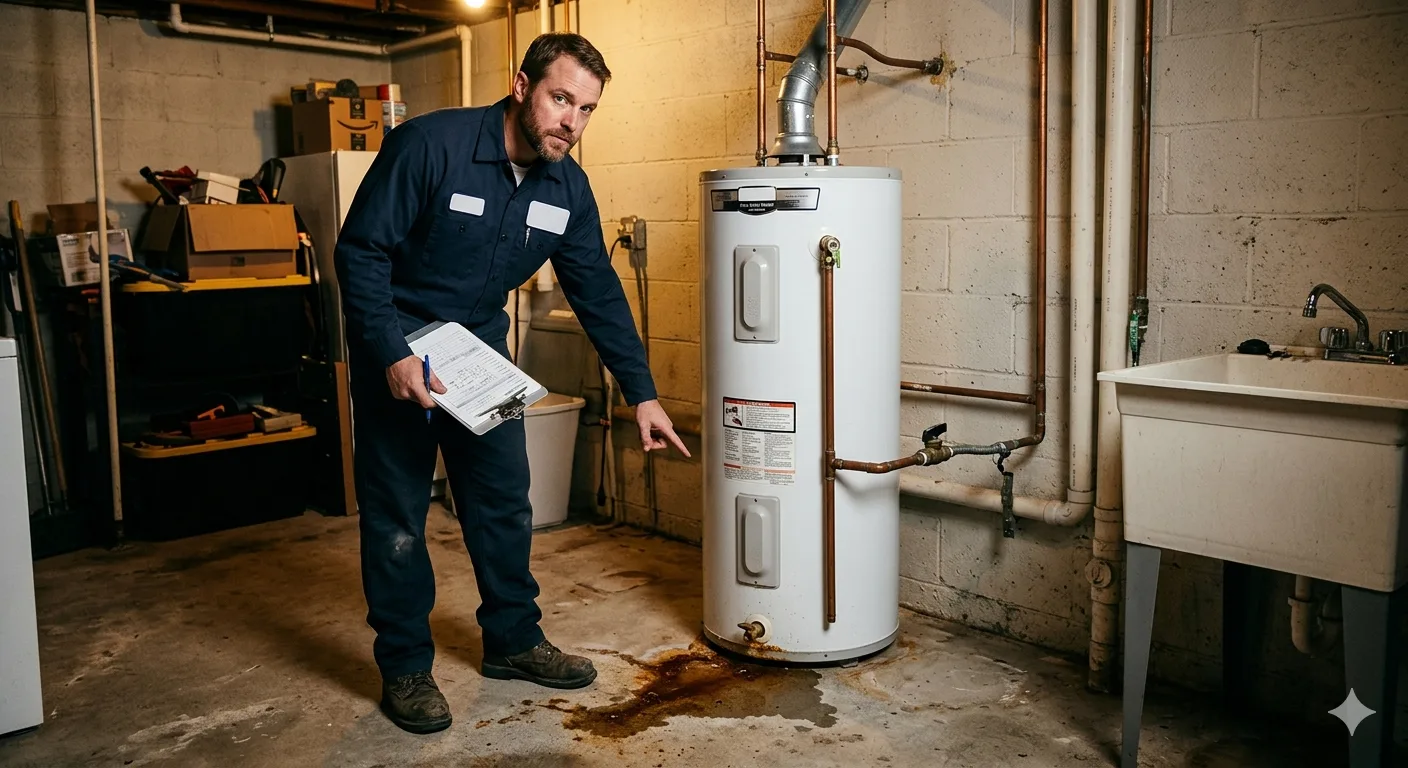
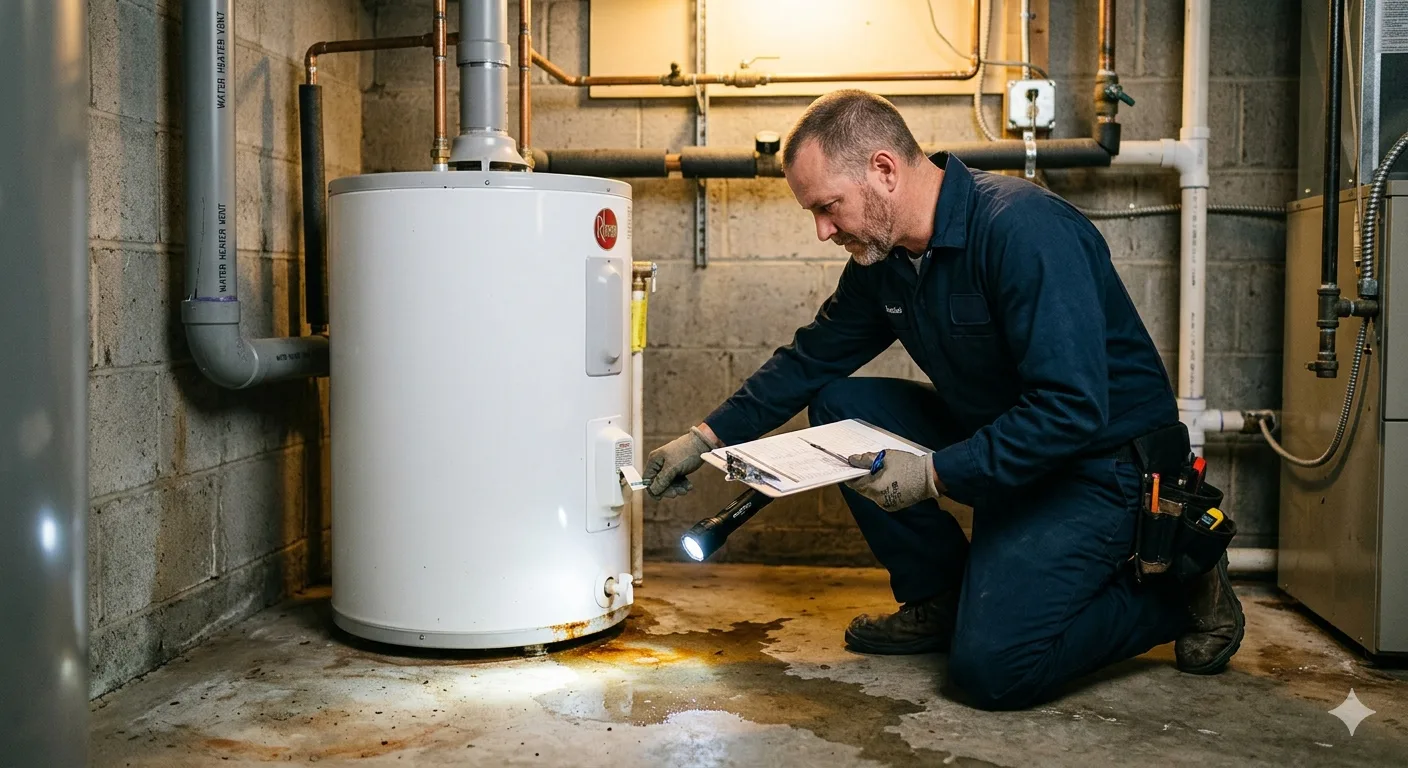
Dry the area thoroughly, then watch for 30 minutes with good lighting. Check the cold water inlet, the hot water outlet, the T&P valve and discharge pipe, the drain valve near the base and the tank body itself. Water forming at a specific fitting is a leaking connection. Water seeping from the tank base with no clear source point is a tank failure.
Shut off the cold water supply by closing the valve on the cold water line into the top of the unit. For gas, turn the control to pilot. For electric, switch off the dedicated breaker. The PHCC recommends that any hot water heater leaking situation be assessed by a licensed plumber before the unit returns to service, even if the visible source appears minor.
6 Trusted Signs a Hot Water Heater Leaking Needs Urgent Attention
The leak is coming from the temperature and pressure relief valve.
The T&P valve releases water when temperature or pressure exceeds safe limits. If it is dripping or discharging, it is either faulty or responding to a real over-pressure event inside the tank. A faulty valve is a straightforward replacement. A valve responding to excess pressure means temperature is set too high or supply pressure is above 80 PSI. Do not cap or replace it without identifying why it activated.
The leak is at the cold water inlet or hot water outlet connections.
Fittings at the top of the tank develop slow leaks as sealant ages or dissimilar metals corrode. This type of leak is usually repairable without replacing the unit. A licensed plumber reseats the connection with fresh sealant and tests for leaks. Corroded or stripped threads on the fitting make the repair more involved but don’t always require a new unit.
The drain valve at the base is dripping.
The drain valve can develop a slow drip from the valve seat or packing. Tightening the packing nut sometimes stops a minor drip. If the valve body is cracked or threads are stripped, the valve needs replacement, which requires draining the tank. A licensed plumber replaces a faulty drain valve without replacing the unit in most cases.
Water is pooling consistently at the base of the tank.
This is the most serious finding. Water pooling at the tank base with no identifiable source at a fitting or valve almost always means the tank wall has corroded through. Internal tank corrosion creates a pinhole or crack that allows water to seep out continuously. This cannot be repaired. The tank has failed and needs immediate replacement. The EPA identifies water heater tank failures as a leading cause of residential water damage events. A failed tank that is not replaced immediately can rupture, releasing the full tank volume in minutes.
The unit is over 10 years old and this is the first visible leak.
A 5-year-old unit with a leaking drain valve is a minor repair. A 12-year-old unit with the same leak has already exceeded its average service life and is one component failure from a tank rupture. The CDC notes that water damage from failed appliances is among the most preventable forms of residential property damage. An older unit showing any leak warrants a full assessment by a licensed plumber before deciding between repair and replacement.
There is rust-coloured water or sediment visible in the discharge.
Rust-coloured water around the leak point or coming from the drain valve indicates internal tank corrosion. A fully intact anode rod prevents this corrosion from developing. An exhausted anode rod allows the steel tank interior to rust from the inside out. Visible rust in the water is confirmation that the anode rod has failed and the tank body is actively corroding. At this stage, a hot water heater leaking from rust corrosion is a unit that needs replacement, not repair.
What to Do While Waiting for a Licensed Plumber
If the leak is minor and contained, leave the unit shut off while waiting for a plumber. If the leak is active and growing, attach a garden hose to the drain valve, run it to a floor drain or outside and open the valve to drain the tank and relieve pressure.
Do not relight a gas pilot or restore electrical supply to a leaking unit until a licensed plumber confirms it is safe to operate.
Frequently Asked Questions About Hot Water Heater Leaking
Can a leaking water heater be repaired rather than replaced?
Yes, when the leak is from a fitting, valve or connection rather than the tank body itself. T&P valve replacement, drain valve replacement and inlet or outlet connection repair are all serviceable repairs that don’t require a new unit. A tank body leak means full replacement.
How much water can a failed water heater release?
A 40 to 50-gallon tank releases its full volume in 30 to 60 minutes if the tank wall fails completely. At typical residential water pressure, water continues flowing from the cold supply line until it’s manually shut off. Fast action on the cold supply shut-off limits the damage significantly.
Is a hot water heater leaking covered by home insurance?
Sudden and accidental failures are generally covered under standard homeowner policies. Gradual leaks from a unit that was known to be deteriorating are typically excluded as maintenance issues. A licensed plumber’s documentation of the failure type and timeline matters for any insurance claim.
How long does water heater replacement take?
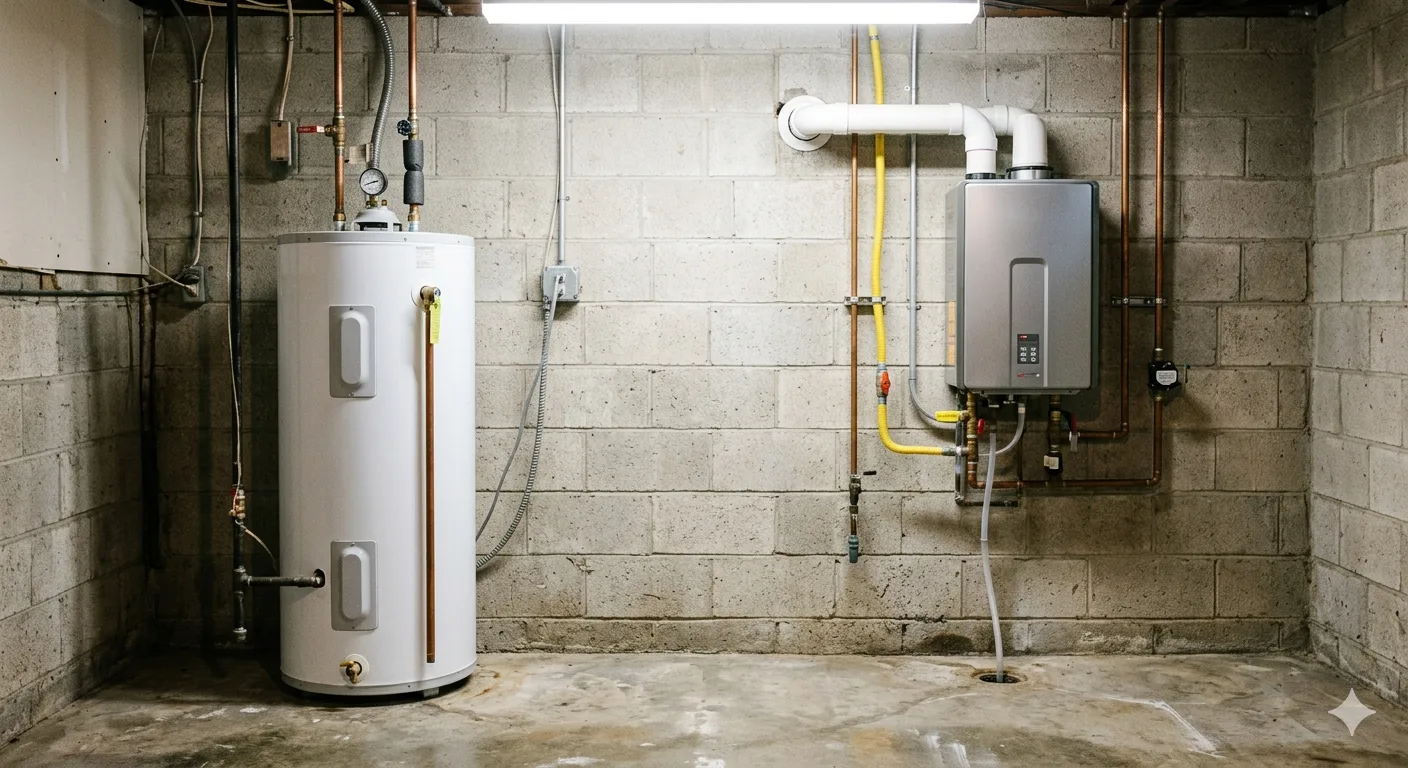
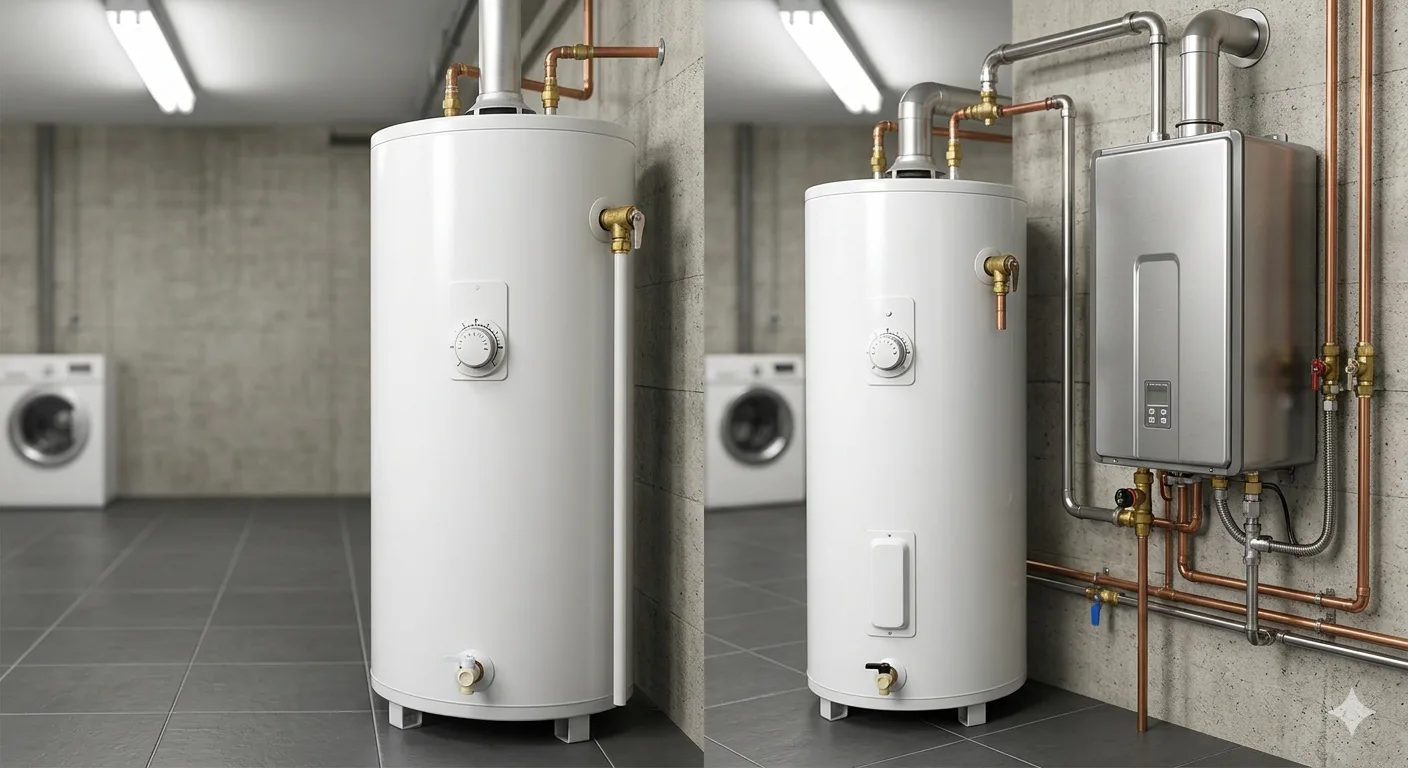
A standard tank water heater replacement by a licensed plumber typically takes two to four hours including disconnection, removal, installation and testing of the new unit. Tankless unit installations take longer due to venting and supply line requirements.
How Do You Find a Trusted Local Plumber for Hot Water Heater Leaking Help?
A hot water heater leaking from a fitting is a repair. A hot water heater leaking from the tank is an emergency. Knowing which one you’re dealing with, and having a licensed plumber assess it before the situation escalates, is what separates a manageable service call from a flooded utility room.
Visit PlumberLocator.us to find a licensed local plumber in your area who can diagnose and address your hot water heater leaking situation. For more practical guidance on protecting your home’s plumbing and appliances, browse our plumbing tips section.