Standing water pooling around your feet mid-shower is a sure sign of a clogged drain. The good news: unclogging a shower drain is one of the easiest DIY plumbing fixes you can do at home, often in under 15 minutes and with tools you already own.
Quick Answer: To unclog a shower drain, start by removing the drain cover and pulling out hair by hand — this clears most clogs in under 2 minutes. For deeper blockages, use a plastic drain snake, baking soda and vinegar, or a cup plunger. If multiple drains are slow or the clog returns within days, call a licensed plumber — you likely have a main line blockage.
What causes a shower drain to clog?
Understanding the cause helps you choose the right fix. The vast majority of shower drain clogs come from one of three sources:
-
Hair
— the number one culprit. Hair binds together inside the drain and catches soap scum, forming a dense, stubborn blockage.
-
Soap scum and body oils
— bar soap leaves behind a waxy residue that coats pipe walls and traps debris over time.
-
Mineral buildup
— in areas with hard water, calcium and magnesium deposits can gradually narrow the drain opening.
Most shower drain clogs sit close to the surface within the first few inches of the drain, making them easy to reach and remove without professional help.
What Do You Need to Unclog a Shower Drain?
- Rubber gloves
- Screwdriver (flathead or Phillips, depending on your drain cover)
- Drain snake or hair clog remover tool
- Plunger (cup style)
- Baking soda and white vinegar
- Boiling or very hot water
What Are the Best Ways to Unclog a Shower Drain?
1. Remove by hand
Best for surface-level hair clogs near the drain cover.
Easiest · Free
2. Boiling water
Works on soap scum and light grease buildup.
Easy · Free
3. Baking soda & vinegar
Natural fizzing action breaks up soft blockages.
Easy · ~$2
4. Plunger
Creates suction to dislodge deeper clogs.
Easy · ~$10
5. Drain snake/hair tool
Reaches and physically removes deep hair clogs.
Moderate · $5–$30
6. Chemical drain cleaner
Last DIY resort for stubborn blockages.
Easy · $8–$15
How Do You Unclog a Shower Drain Step by Step?
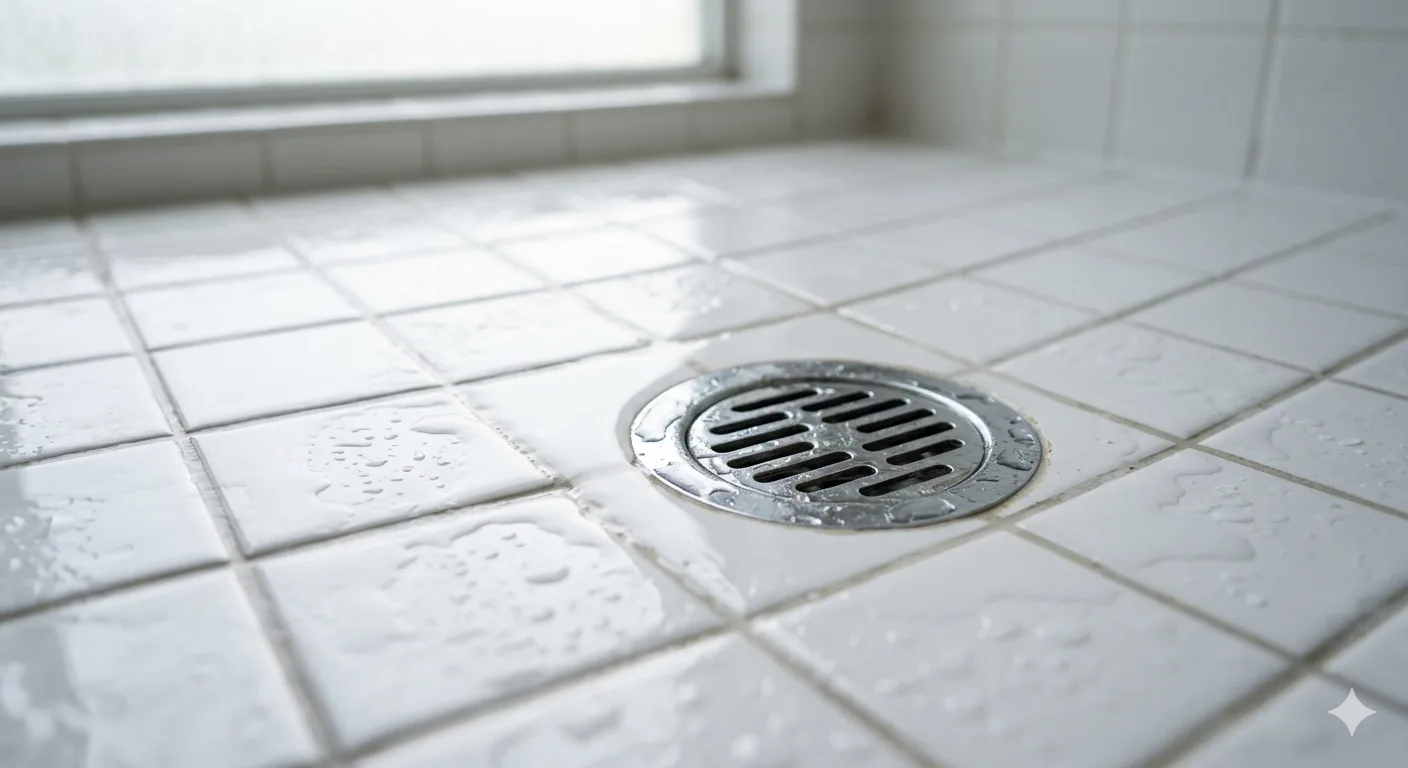
Remove the drain cover. Use a screwdriver to lift or unscrew the drain cover. Some covers simply pop off with a flathead. Set the cover aside and put on your rubber gloves.
Remove visible hair and debris by hand. Look inside the drain with a flashlight. Most shower clogs are a matted ball of hair sitting just below the surface. Pull it out with your fingers or needle-nose pliers. This alone clears the majority of shower drain clogs.
Flush with very hot water. Boil a kettle and slowly pour the hot water directly down the drain. This melts soap scum and washes away loosened debris. For plastic PVC pipes, use very hot tap water rather than boiling water to avoid softening joints.
Try the baking soda and vinegar method. Pour one cup of baking soda directly into the drain, followed by one cup of white vinegar. Cover the drain opening and let the fizzing reaction work for 15–30 minutes. Flush with hot water. This is highly effective on soap scum and light hair clogs.
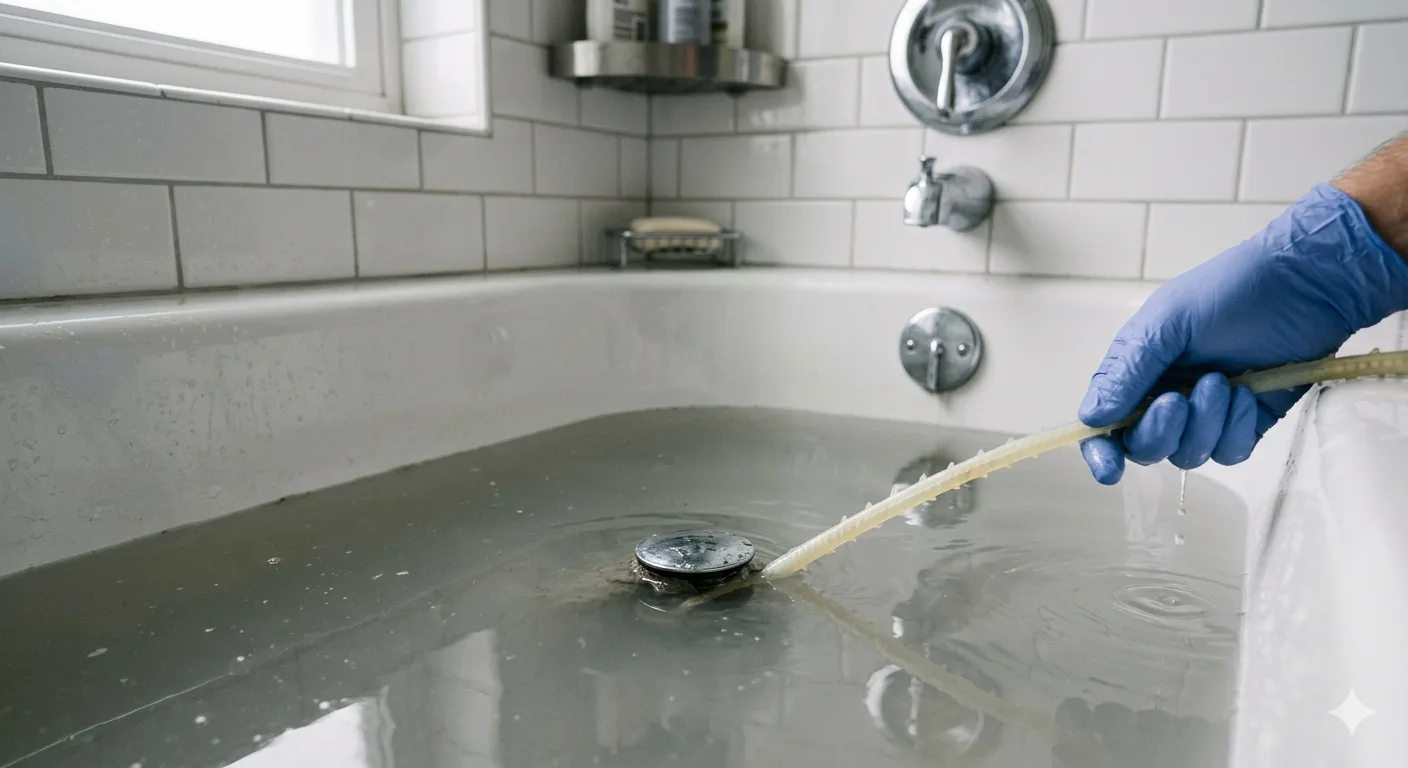
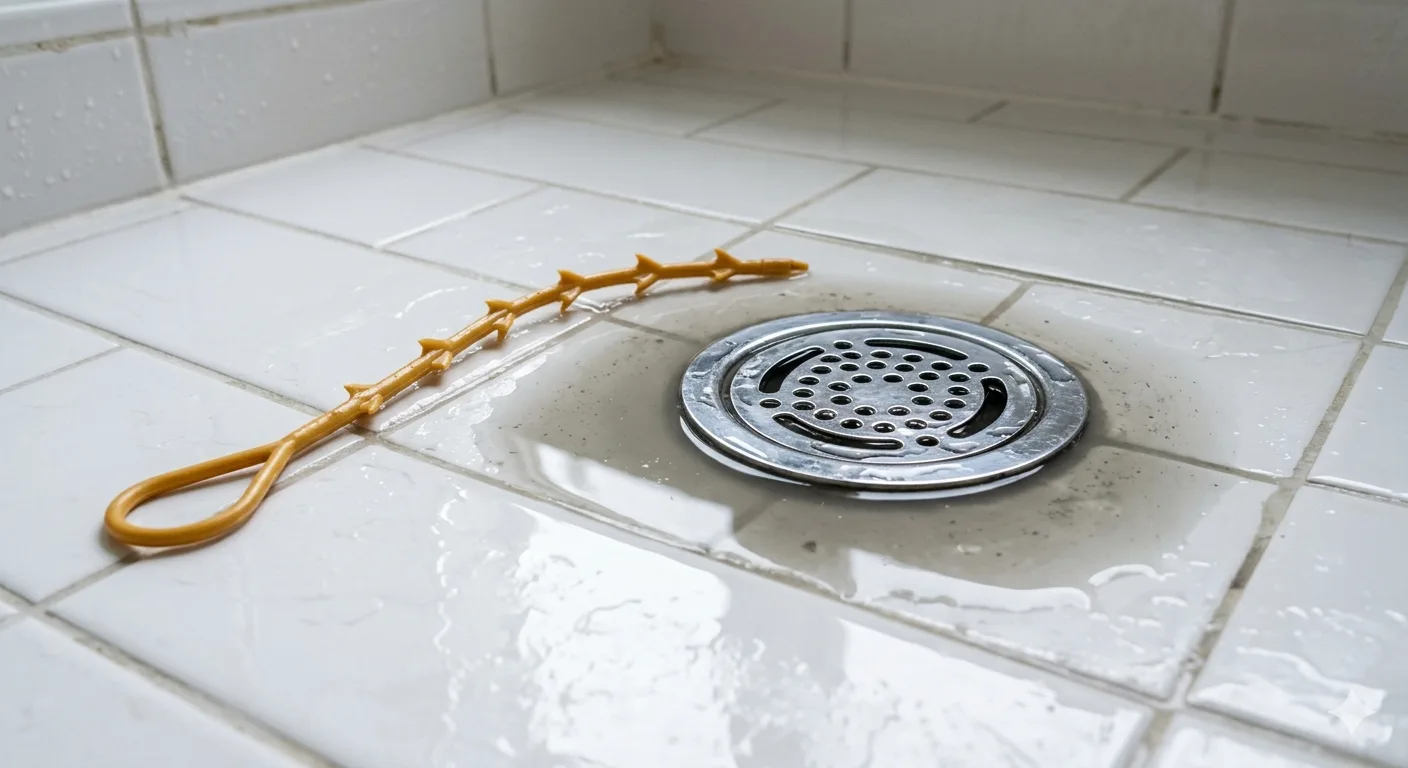
Use a drain snake or hair removal tool. Insert a plastic hair clog remover (a flexible stick with barbs) or a hand-crank drain snake into the drain. Rotate and push it deeper, then slowly pull it back out. The barbs grab and pull out hair tangles that fingers cannot reach. Repeat until nothing more comes out.
Plunge the drain. If the clog persists, fill the shower base with an inch of water and use a cup plunger directly over the drain. Pump firmly 10–15 times, then pull up sharply. The suction can dislodge deeper blockages that tools cannot reach.
Test the drain. Run the shower on full and observe. Water should drain freely with no pooling. If slow draining remains, repeat steps 5–6 or proceed to a chemical drain cleaner as a last resort.
A $3 plastic hair catcher, a simple mesh or silicone cover that sits over your drain, prevents the vast majority of shower drain clogs from ever forming. Install one after clearing your current clog.
Never mix chemical drain cleaners with baking soda, vinegar, or other cleaners. Chemical reactions can produce harmful fumes or cause splash-back. Always use chemicals in a well-ventilated bathroom and follow label instructions carefully.
When Should You Call a Plumber to Unclog a Shower Drain?
Most shower drain clogs respond to the methods above. Call a professional if:
- Multiple drains in your home are slow or clogged simultaneously, which signals a main sewer line blockage.
- You hear gurgling sounds from other drains when the shower runs.
- The clog keeps returning within days of clearing it.
- You notice foul sewer smells coming from the drain, even after cleaning.
- Water backs up into your toilet or other fixtures when you use the shower.
These are signs of a deeper blockage or a venting issue that requires professional drain cleaning equipment, such as a hydro-jet or a motorized auger.
How Do You Prevent Shower Drain Clogs From Coming Back?
-
Use a hair catcher
— the single most effective prevention tool, available for under $5.
-
Flush with hot water weekly
— run the hottest tap water down the drain for 60 seconds once a week to melt soap buildup before it accumulates.
-
Use the baking soda and vinegar method monthly
— a quick preventive flush keeps the drain clear between clogs.
-
Switch to liquid body wash
— bar soap leaves significantly more residue in pipes than liquid soap or shower gel.
-
Clean the drain cover regularly
— hair collects on the underside of drain covers and should be removed every few weeks.
Frequently Asked Questions About Unclogging a Shower Drain
What is the fastest way to unclog a shower drain?
Removing hair by hand from just below the drain cover is the fastest method it clears most shower clogs in under two minutes. Follow with hot water to flush away any remaining debris.
Do Baking Soda and Vinegar Really Unclog Drains?
Yes, for soft clogs like soap scum and light hair buildup. The fizzing reaction loosens debris from the pipe walls. However, for dense hair clogs, a drain snake or manual removal is more effective.
Can I use Drano to unclog a shower drain?
Yes, chemical drain cleaners like Drano can dissolve hair clogs. However, they should be a last resort — repeated use can corrode older pipes, and they are harmful to the environment. Always try mechanical methods first.
Why does my shower drain keep clogging?
Recurring clogs usually mean hair and soap scum are accumulating faster than they drain. The fix is prevention: install a hair catcher and do a monthly hot water or baking soda flush to stop buildup before it becomes a blockage.
How do I unclog a shower drain without removing the cover?
Pour boiling water directly through the drain cover, then follow with the baking soda and vinegar method. A slim plastic hair tool or thin drain snake can also be inserted through most drain covers without removing them.