Why Low Water Pressure Is Never Just an Inconvenience
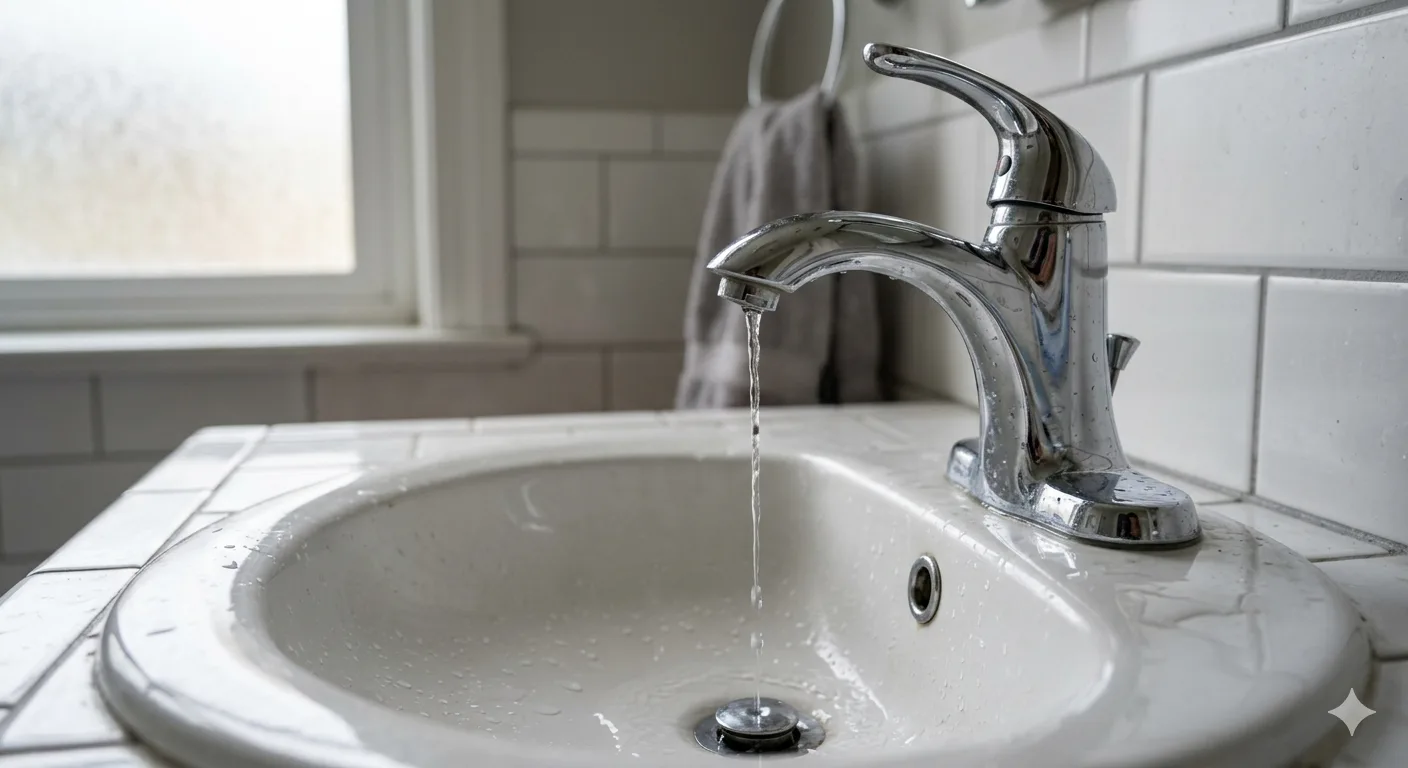
Low water pressure feels like a nuisance. It is actually a symptom. When pressure drops below 40 PSI, appliances work harder, water heaters struggle, and dishwashers fail to rinse properly. Higher energy bills and accelerated wear follow closely behind.
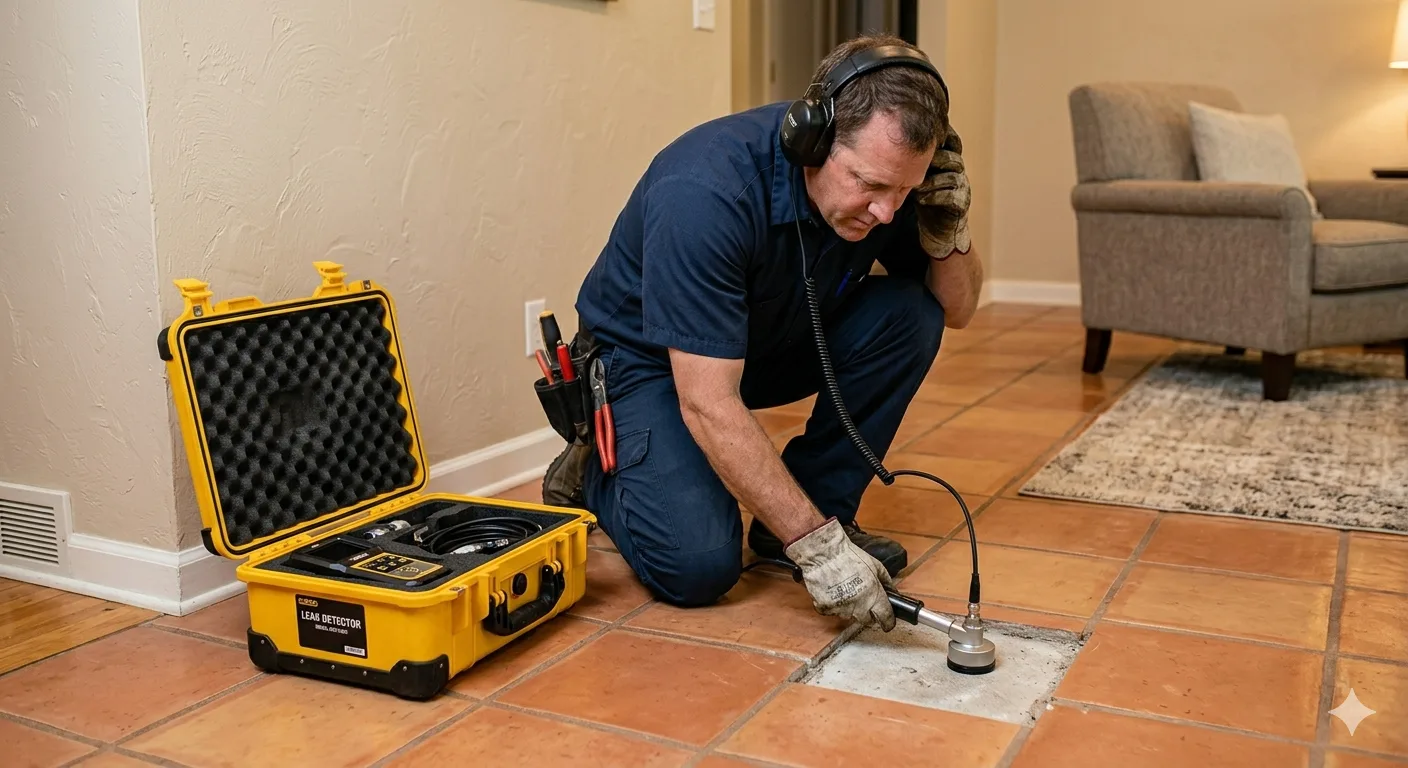
The bigger concern is what low pressure signals underneath the surface. A slow, undetected leak inside a wall loses an average of 10,000 gallons per year per household according to EPA data. That water soaks into framing, insulation, and drywall, setting up mold and structural rot. A pressure problem ignored for a season can turn into a remediation bill that runs into the tens of thousands.
How Does Corroded Pipes Gets Worse Over Time Lead to Low Water Pressure?
Galvanized steel pipes, standard in homes built before the 1970s, corrode from the inside out. The rust and mineral deposits that accumulate along the interior walls act like a slow-closing fist. The pipe does not burst. It just gets narrower, year by year, until the water barely moves through it.
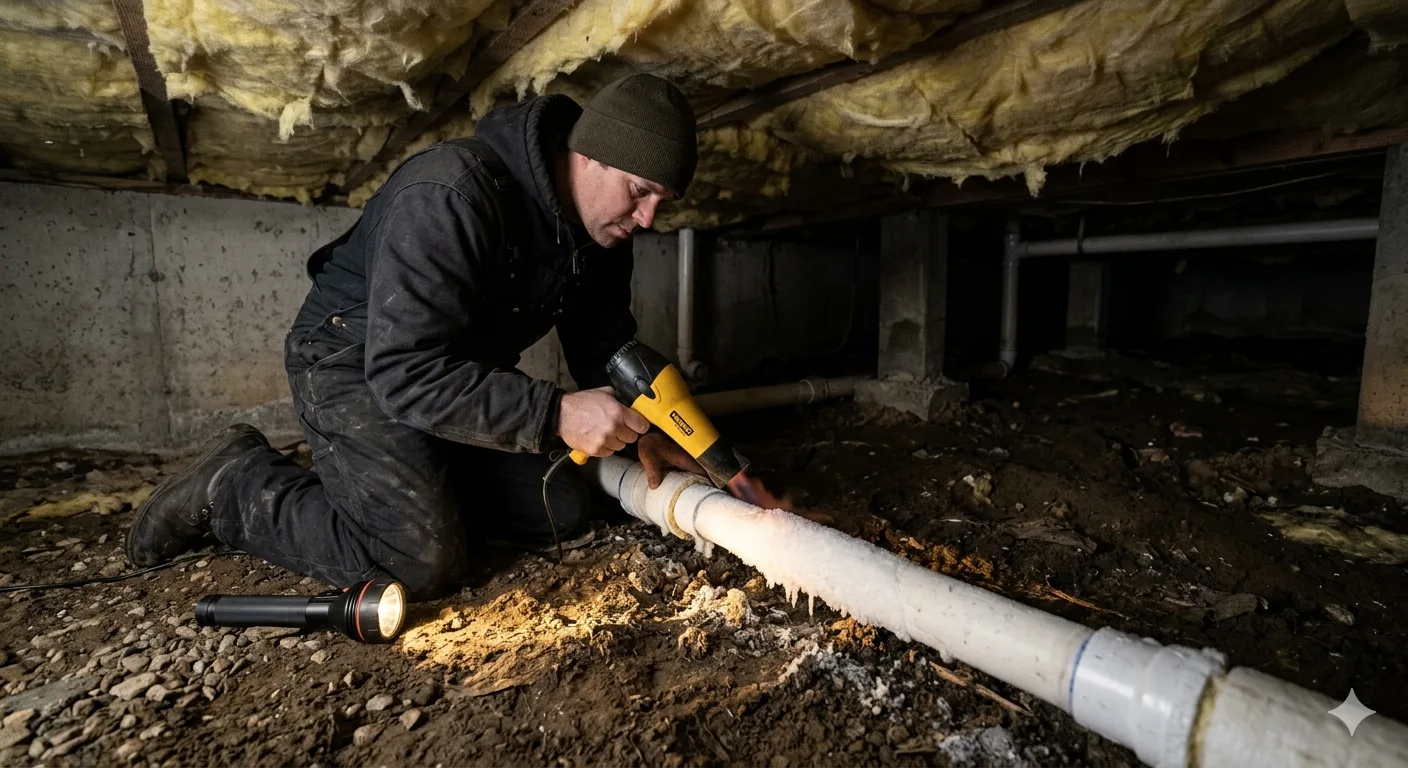
You will usually notice this in a clear pattern: pressure is fine in one part of the house and drastically reduced in another. That is corrosion concentrating in a specific run of pipe. A plumber can pressure-test individual lines to pinpoint the failing section. Replacing corroded galvanized pipe with copper or PEX typically costs between $1,500 and $4,000 depending on scope, which is far less than the damage a burst pipe causes when corrosion finally wins.
How Does a Failing Pressure Regulator Cause Low Water Pressure?
Most homes built after the 1980s have a pressure reducing valve, or PRV, installed where the main supply line enters the house. It keeps incoming municipal pressure, which can exceed 100 PSI, from hammering your interior pipes and fixtures. When it fails, pressure either spikes or collapses across the whole house.
A PRV typically lasts 10 to 15 years before it needs replacement. If your entire house lost pressure suddenly and there is no obvious leak, the PRV is the first thing a plumber will check. A new PRV costs between $50 and $150 for the part, with labor bringing the total to roughly $250 to $500. That is a straightforward fix for a problem that, left alone, stresses every joint and fitting in the system.
Can Partially Closed Shutoff Valves Cause Low Water Pressure?
This one sounds too simple to be the culprit, but it accounts for a surprising number of service calls. Every home has at least two main shutoff valves: one where the supply enters the house and one near the water meter. After any plumbing repair or appliance installation, these sometimes get left only partially open.
A gate valve that is even one quarter turn from fully open can cut water flow significantly without any other obvious sign. Check both main shutoffs before assuming anything is broken. Turning a valve fully open takes thirty seconds and costs nothing. If pressure does not improve after that, you are dealing with something a plumber needs to assess.
How Does Mineral Buildup Inside Fixtures and Lines Reduce Water Pressure?
Hard water deposits calcium and magnesium inside every pipe, fitting, and fixture it touches. Over time those deposits accumulate into scale that restricts flow. According to the PHCC, hard water affects more than 85 percent of U.S. homes, making mineral buildup one of the most common and overlooked causes of reduced pressure.
Showerheads are the most visible example. Unscrew the head, soak it in white vinegar for a few hours, and you will see the difference. But aerators, supply lines, and the inlet valves on washing machines collect scale just as aggressively and are far harder to spot. A plumber can flush the lines and advise whether a whole-home water softener makes sense for your situation and local water hardness.
What Causes Low Water Pressure Across the Whole Street Points to a Municipal Problem?
Sometimes the problem is not in your house at all. Municipal water systems experience pressure fluctuations during high-demand periods, after main breaks, or when supply infrastructure is being upgraded nearby. If your neighbors are all noticing the same drop, the source is upstream of your property line.
Call your water utility and ask if there are any known issues affecting your street. The ASPE recommends homeowners keep a simple pressure gauge, available at any hardware store for under $15, attached to an outdoor hose bib so you have a baseline to reference. If the utility confirms no issues and your neighbors have normal pressure, the problem is yours to resolve and a licensed plumber is the right next call.
Frequently Asked Questions About Low Water Pressure
What PSI is considered low water pressure in a home?
Anything below 40 PSI is generally considered low for a residential system. The normal safe operating range is 40 to 80 PSI. Below 40 PSI, fixtures underperform and appliances like water heaters may not function correctly.
Can low water pressure damage my pipes or appliances?
Yes. Chronically low pressure stresses appliances that rely on consistent flow, including dishwashers, washing machines, and tankless water heaters. It also makes it easier for contaminants to enter the supply line in some older plumbing systems.
How long does it take a plumber to diagnose low water pressure?
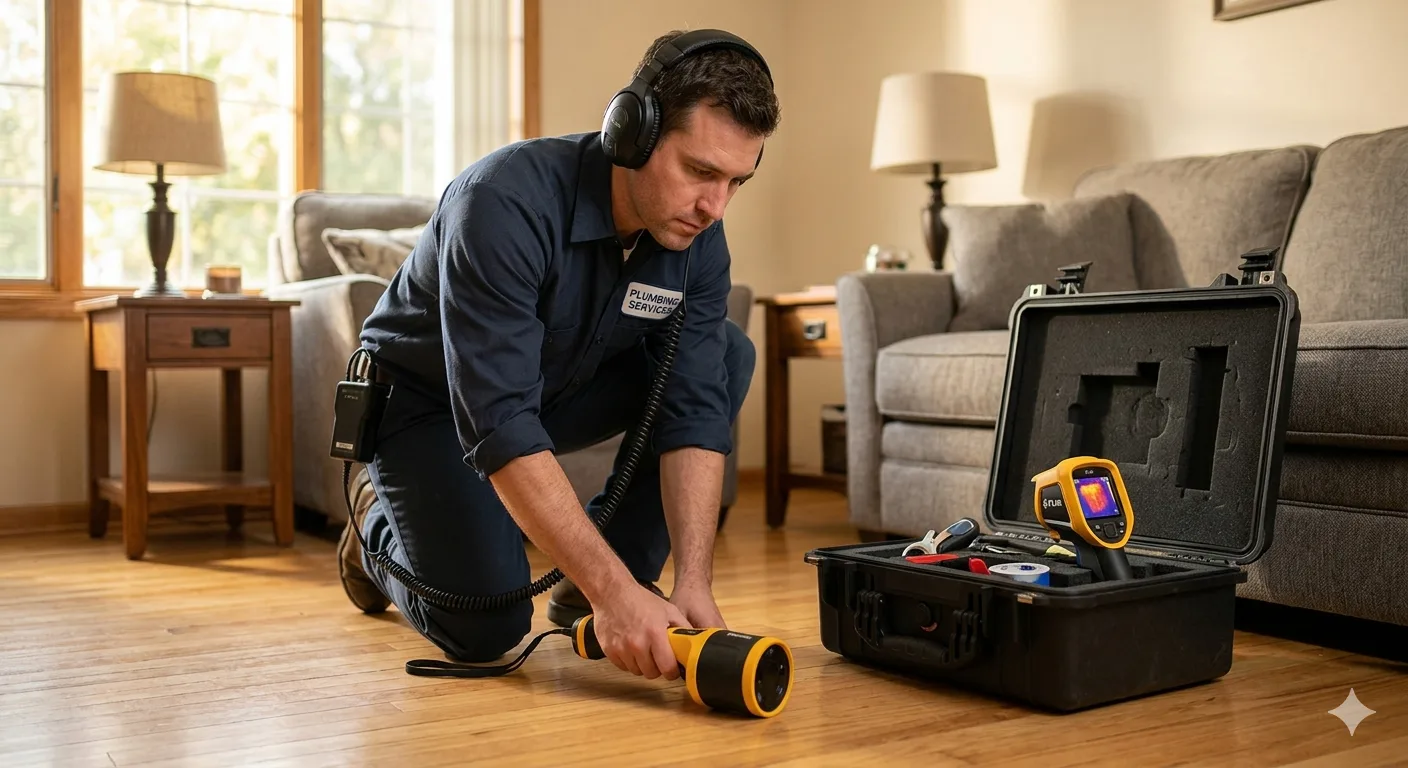
Most plumbers can identify the cause within one to two hours using a pressure gauge, a line inspection, and a check of the PRV and shutoff valves. More complex causes like pipe corrosion or hidden leaks may require camera inspection.
Is low water pressure ever an emergency?
It can be. If pressure dropped suddenly, if you hear hissing behind walls, or if you notice wet spots on floors or ceilings, treat it as urgent. A sudden pressure loss combined with any of those signs points to an active leak that needs immediate professional attention.
How Do You Find a Trusted Local Plumber for Low Water Pressure?
Low water pressure is not a problem that fixes itself. Left alone, causes worsen, damage spreads, and the repair bill grows. Whether it is a corroded pipe, a failing PRV, or stubborn mineral scale, a licensed plumber can find it fast and fix it right. Head to PlumberLocator.us to connect with a licensed local plumber in your area today.
While you are sorting this out, knowing more about your home’s plumbing system makes it easier to catch problems early. Our plumbing tips section covers everything from pressure testing to routine maintenance. The more you know going in, the better conversation you will have with your plumber.