A plumber tells you that you need to replace sewer line pipe under your yard, and suddenly a $300 drain call turns into a conversation about digging up your lawn or driveway. Most homeowners don't know what a replace sewer line job actually involves, how much it should cost or whether traditional excavation is even necessary. The decisions you make in the next few days will either cost far more than needed or get the problem fixed properly the first time.
Quick Answer: To replace sewer line pipe, a plumber removes and installs new pipe between your home and the municipal connection, either by traditional excavation or trenchless methods that avoid digging. The average cost of a full sewer line replacement ranges from $3,000 to $25,000 depending on length, depth, pipe material and access. A camera inspection is always the essential first step before any replacement method is chosen.
Why Your Sewer Line Fails in the First Place
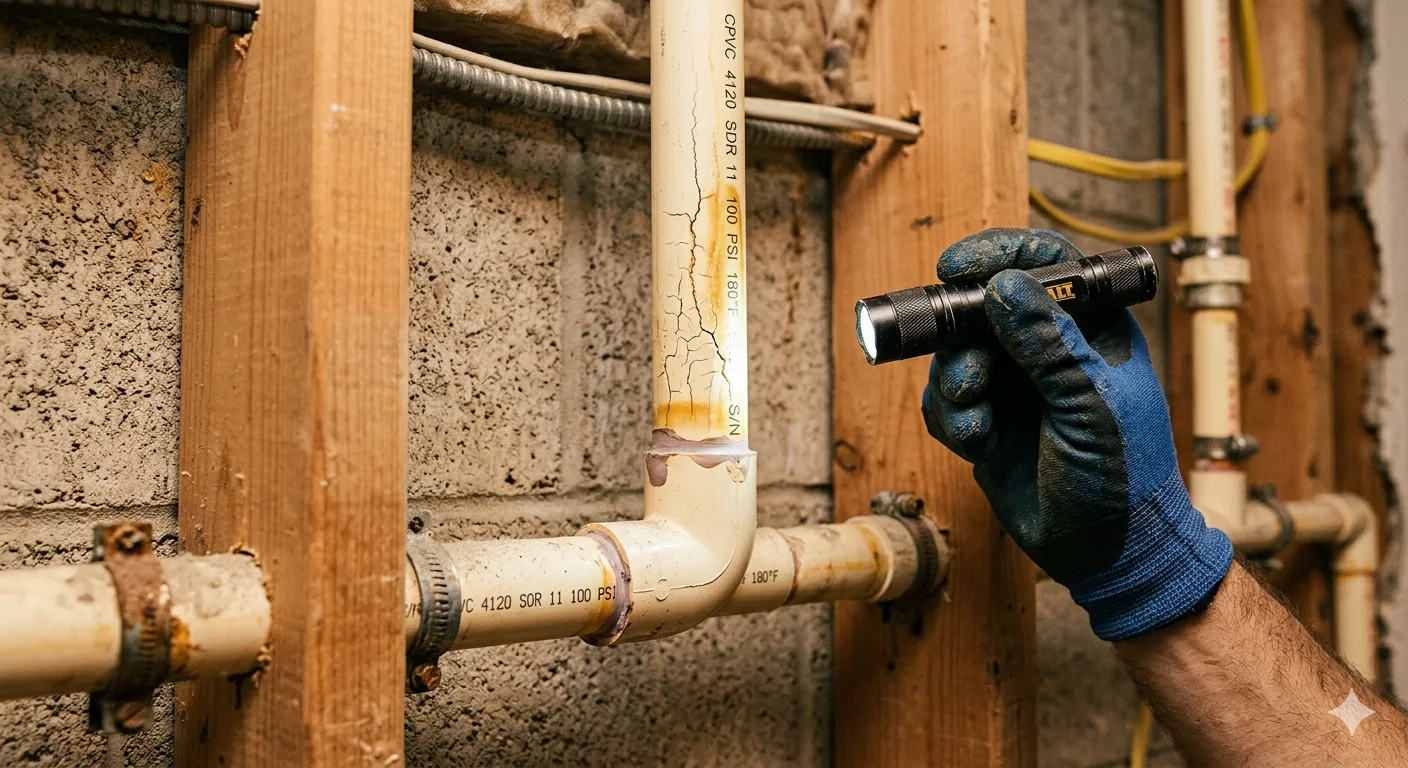
Sewer lines don't fail overnight. They deteriorate through a combination of age, soil movement, root intrusion and pipe material breakdown. Clay tile pipes in homes built before 1950 are porous and brittle. Cast iron lines corrode from the inside out. Even modern PVC can fail if installed with incorrect slope or inadequate bedding in shifting soil.
Cities built on expansive clay soil see higher failure rates because the soil swells and contracts with rainfall, exerting lateral pressure on buried pipes year after year. The EPA identifies soil movement as a primary cause of sewer infrastructure degradation across Gulf Coast and Southern states. Understanding why a line failed matters because it shapes which replace sewer line method will hold up long-term.
The Camera Inspection Comes Before Everything Else
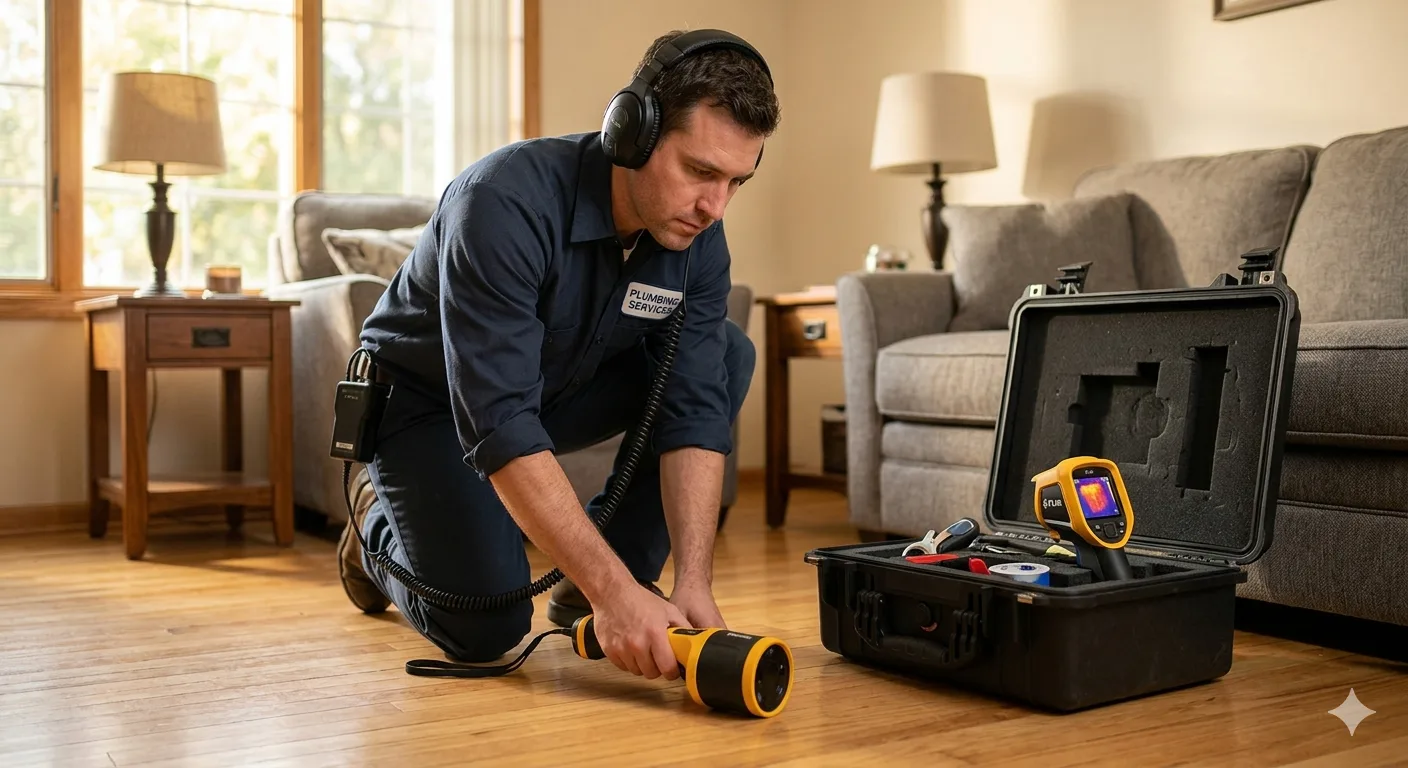
Before anyone quotes you a price to replace sewer line pipe, a camera inspection is not optional. It's the only way to confirm where the damage is, how extensive it is and what condition the rest of the pipe is in. A plumber quoting a replacement without first running a camera is either guessing or upselling. For a full breakdown of what a camera scope involves and what it costs, see what is a sewer camera inspection and what does it cost.
The inspection feeds a waterproof camera through the line and transmits live footage to a monitor. The plumber identifies whether the problem is a single collapsed section, root intrusion, offset joints or full pipe deterioration. That information determines whether you need a full replace sewer line job, a partial fix, trenchless relining or a hydrojet clearing. The difference between those options can be several thousand dollars.
5 Proven Ways to Replace Sewer Line Without Unnecessary Excavation
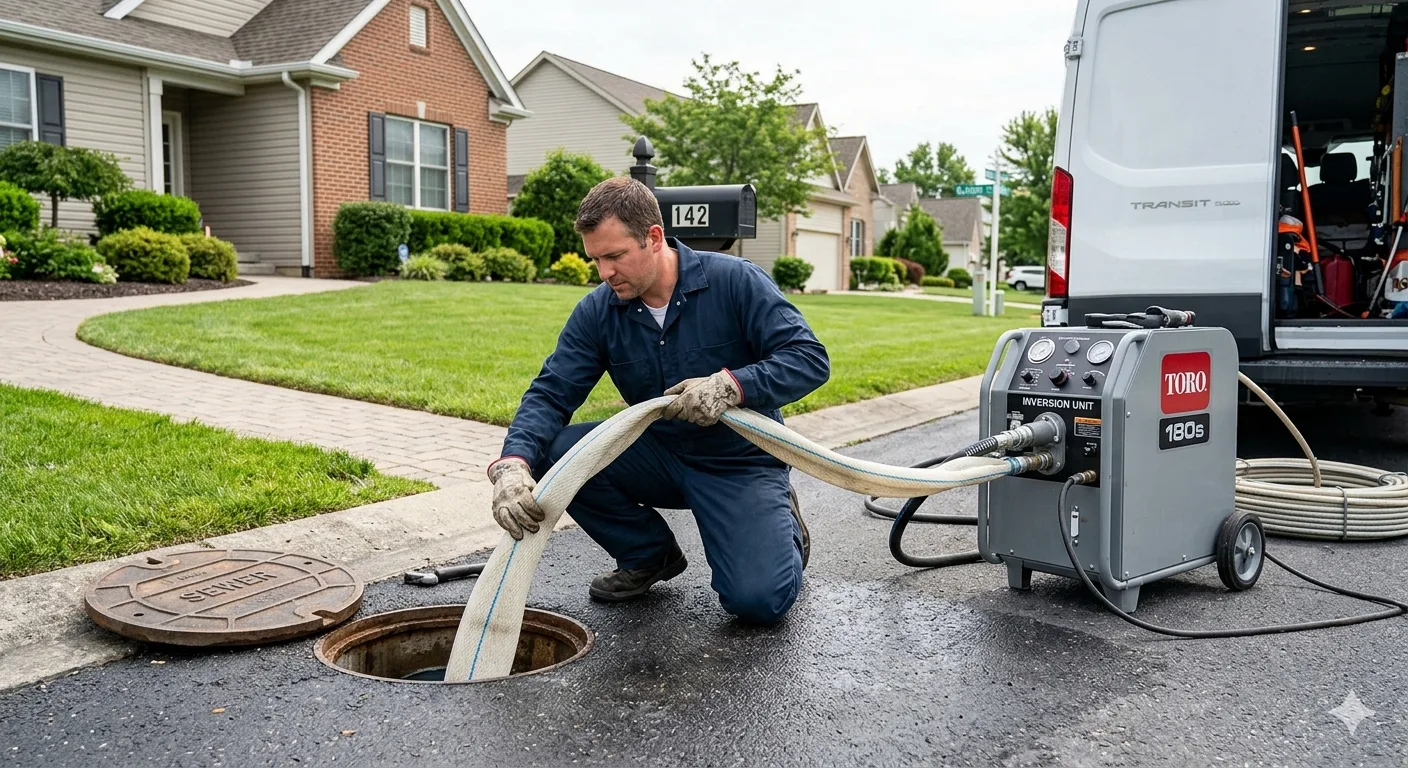
Trenchless pipe bursting replaces the line without digging a trench.
Pipe bursting pulls a bursting head through the old pipe, fracturing it outward while drawing a new HDPE pipe in behind it. It requires only two small access pits rather than a full trench. The PHCC notes that trenchless methods preserve driveways, landscaping and hardscaping that traditional digging destroys. Pipe bursting typically costs 30 to 50% more per linear foot than open-cut but saves significantly on surface restoration.
Trenchless pipe relining installs a new pipe inside the old one.
CIPP involves inserting a resin-saturated liner into the damaged pipe, inflating it against the wall and curing it in place to form a smooth new pipe inside the old one. No excavation beyond the access point is required, and the liner can last 50 years or more. It's not suitable for fully collapsed pipes or significant offset joints, which is exactly what the camera inspection determines before anyone commits.
Partial replacement targets only the damaged section.
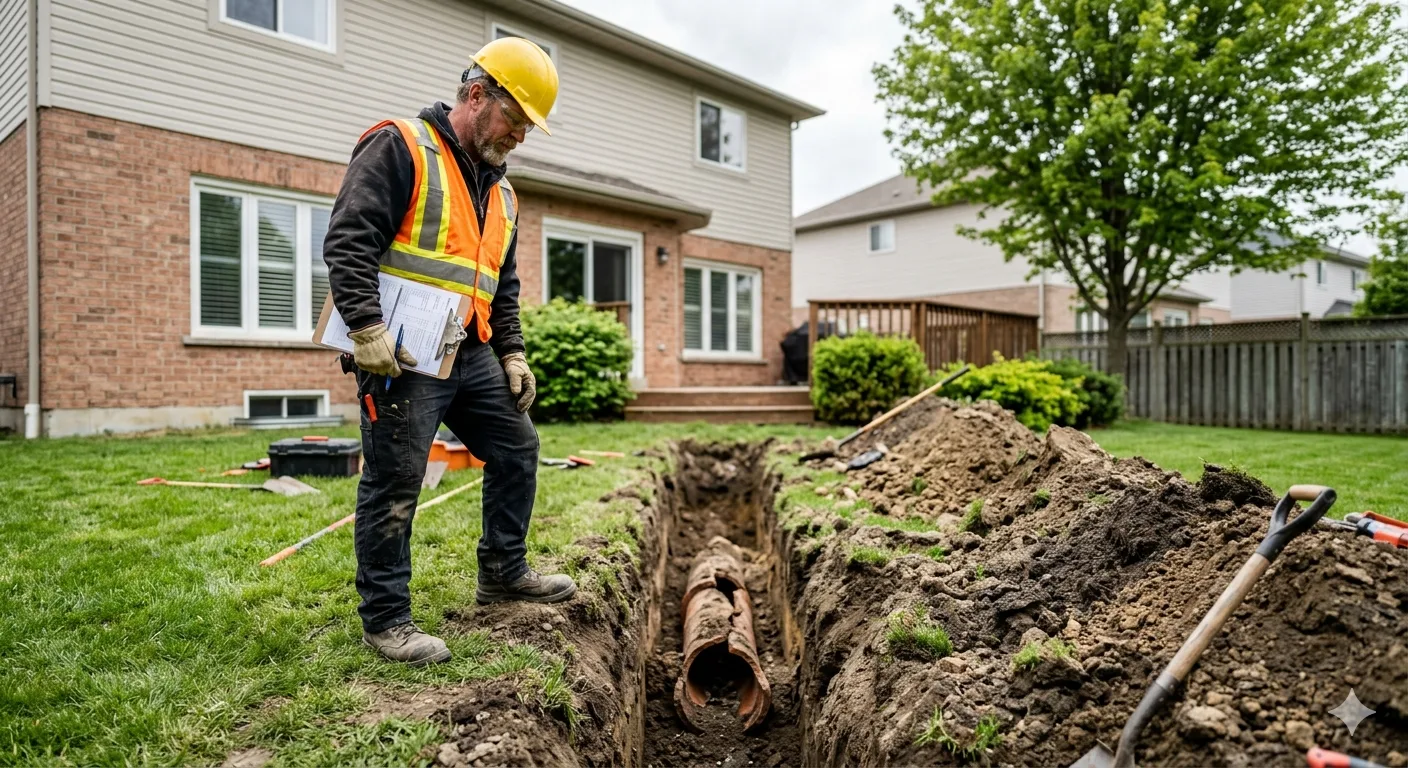
If the camera reveals isolated damage rather than full-line deterioration, replacing only that section costs far less. A partial replace sewer line job excavates only at the damaged area, removes that segment and reconnects to the existing pipe on each side. It works well when the rest of the line is structurally sound.
Proper bedding and backfill prevents the same failure repeating.
A sewer line installed without proper granular bedding underneath is likely to fail again, especially in clay-heavy soil. Ask your plumber what bedding material they use and how the trench will be backfilled and compacted. A properly bedded line in stable material outlasts a replacement that repeats the conditions that caused the original failure.
Getting two or three quotes protects you from overpaying.
Sewer line replacement pricing varies significantly between contractors, not always because of quality differences. Some plumbers default to full excavation and full replacement because it's what they know, even when a trenchless method would serve the homeowner better. Others quote trenchless methods at premiums that don't reflect the actual cost difference. Getting two to three written quotes that specify the method, pipe material, length, warranty and surface restoration terms gives you a basis for comparison that a single quote never can.
What a Replace Sewer Line Job Should Include
A proper replace sewer line job includes a pre-job camera inspection, documented pipe specifications, a flow test after installation and a post-job camera pass to confirm the line is draining correctly. Permits are required in most jurisdictions. Any contractor who suggests skipping them is a red flag. The CDC classifies improper sewer installation as a public health risk due to sewage contamination of soil and groundwater. Surface restoration is often quoted separately, so get clarity on that before work starts.
Frequently Asked Questions About Replacing a Sewer Line
How long does it take to replace a sewer line?
Traditional excavation replacement takes one to three days depending on length and depth. Trenchless pipe bursting or relining is usually done in a single day. Surface restoration adds time after the plumbing work is complete.
How do I know if my sewer line needs replacing or just cleaning?
A camera inspection answers this definitively. Recurring blockages that return within weeks of clearing, sewage odours in the yard, sinkholes or wet patches over the sewer line path and multiple slow drains at once all suggest structural damage rather than a simple blockage. Cleaning addresses buildup. Replacement addresses structural failure. Only a camera tells you which one you're dealing with.
Does homeowner insurance cover sewer line replacement?
Standard homeowner policies typically exclude sewer line failure as a maintenance issue. Some insurers offer sewer line coverage as an add-on rider. Sudden collapses from a covered event may qualify but gradual deterioration almost never does.
What pipe material is best for a replacement sewer line?
HDPE and schedule 40 PVC are the current standard for residential sewer line replacements. Both are corrosion-resistant, smooth-walled for better flow and flexible enough to handle moderate soil movement. HDPE is preferred in areas with significant ground movement. Cast iron is occasionally specified in certain jurisdictions but is rarely recommended for new residential installations today.
Find a Trusted Local Plumber to Replace Sewer Line the Right Way
The difference between a sewer line replacement that lasts decades and one that fails again in five years comes down almost entirely to who does the work and how. A licensed plumber with the right equipment, the right materials and a clear process from inspection to post-job verification is what that difference looks like.
Visit PlumberLocator.us to find a vetted licensed plumber in your area who can inspect, quote and replace your sewer line correctly. For more on protecting your home's plumbing system, browse our plumbing tips section.