Every few years, the baking soda and vinegar drain trick makes the rounds again. It fizzes dramatically, it feels productive, and plenty of people swear by it. The honest answer is that the soda vinegar drain method genuinely works in some situations and does almost nothing in others. Understanding which situation you’re actually in before you pour anything down the drain saves you time and prevents you from treating a serious blockage with a method that will only delay the right fix.
Quick Answer: The soda vinegar drain method uses baking soda and white vinegar to create a fizzing reaction that loosens light organic buildup and surface-level soap scum from drain pipes. It works on slow drains caused by minor coating buildup and is safe for all pipe types. It does not dissolve compacted hair clogs, solid object blockages, root intrusions or buildup deeper than the trap. For anything beyond a surface-level slow drain, a licensed plumber and mechanical clearing is the correct approach.
What the Soda Vinegar Reaction Actually Does Inside a Pipe
Baking soda is a base. Vinegar is an acid. Together they produce carbon dioxide gas, water and sodium acetate. Inside a drain pipe, that fizzing agitates the surface of whatever coats the pipe wall and loosens light soap scum and mineral deposits near the opening.
What it doesn’t do is chemically break down hair, solid grease plugs or debris further down the pipe. The EPA notes the reaction leaves no residual cleaning agent. Once the fizzing stops, nothing active remains. The reaction is brief, local and cannot reach a blockage sitting 18 inches below the opening in the P-trap.
6 Proven Truths About the Soda Vinegar Drain Method
It works on slow drains, not blocked ones.
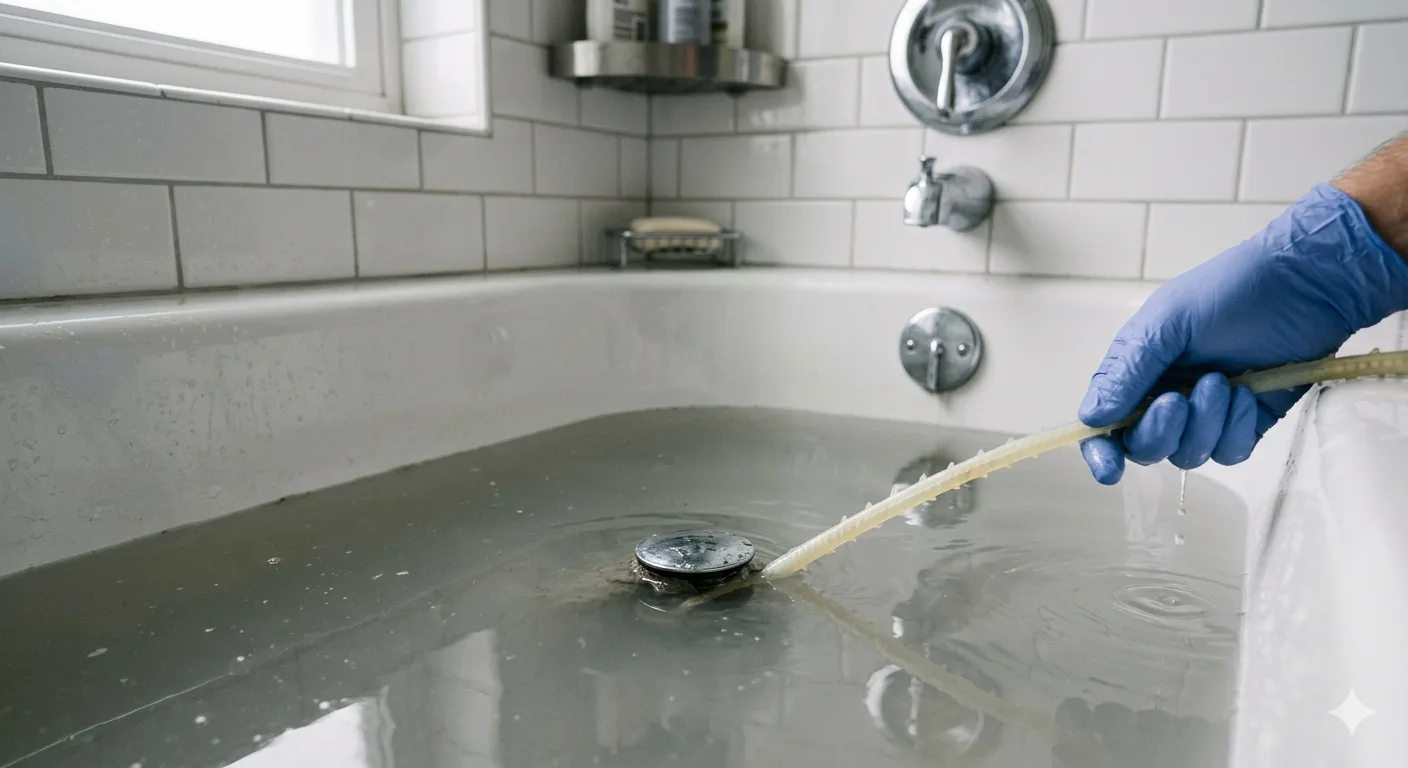
A drain that is fully blocked and holding standing water is not a soda vinegar drain situation. The method works when water is draining slowly because of a thin coating of soap residue or biofilm on the pipe walls near the opening. Pouring baking soda into a drain with standing water just means the baking soda sits on top of the water before the vinegar fizzes it into nothing. The blockage that’s holding the water in place is completely unaffected.
The fizzing looks impressive but the chemistry is mild.
The fizzing is carbon dioxide release, not a powerful reaction. Commercial drain cleaners use sodium hydroxide, which generates heat and reacts with organic material. The soda vinegar drain reaction produces sodium acetate, essentially diluted vinegar. It’s safe for pipes precisely because it’s mild, and that mildness is also why it can’t touch a serious blockage.
It’s most effective on bathroom sink and shower drains.
Soap scum, toothpaste residue and body oils create a biofilm coating on the walls of bathroom sink and shower drain openings. The soda vinegar drain method, applied monthly before a full blockage forms, genuinely keeps these drains flowing freely. The reaction loosens the coating, the follow-up hot water flush pushes it through and the drain stays clear. This preventive use is where the method earns its good reputation. The PHCC notes that consistent preventive drain maintenance reduces professional service call frequency by a meaningful margin in residential properties.
It does not work on hair clogs.
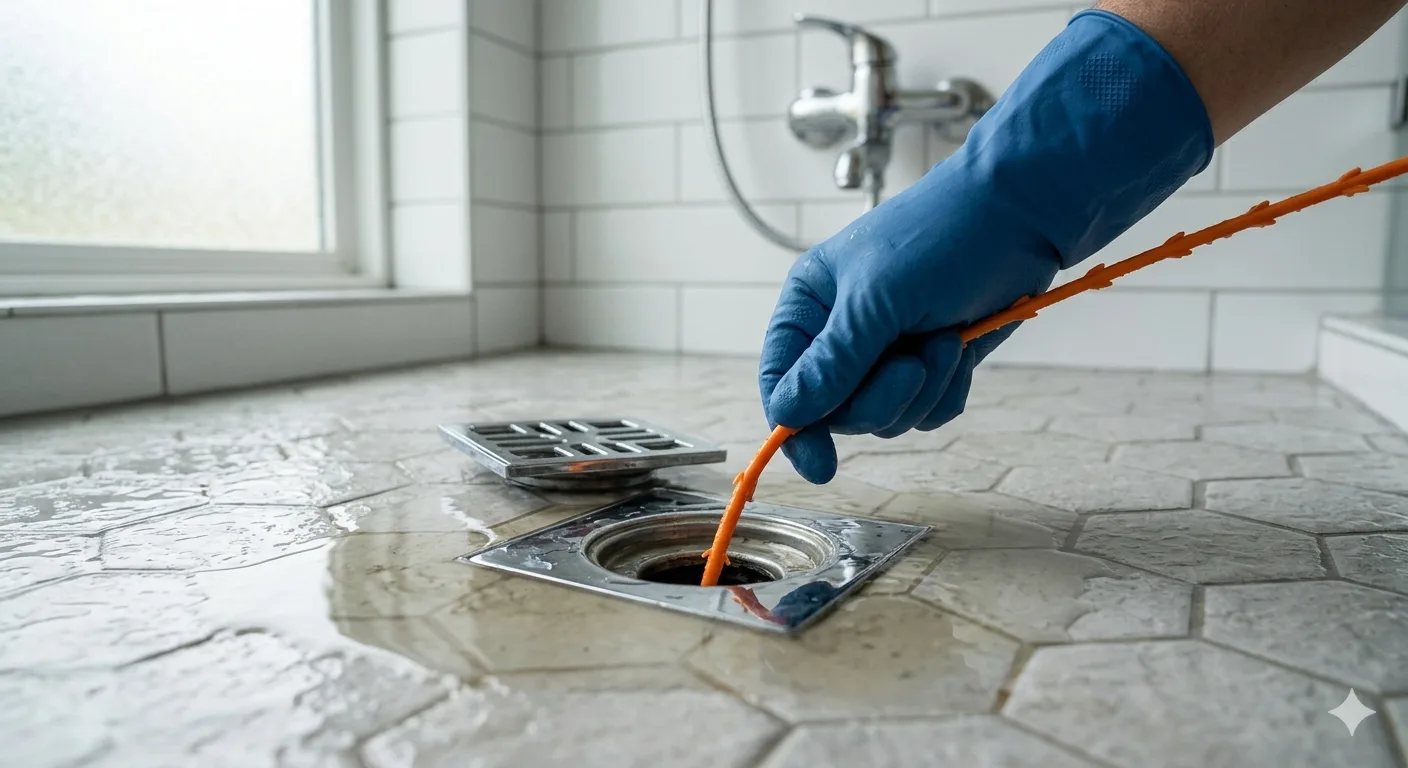
Hair tangles into a physical mass inside the P-trap that no chemical reaction dissolves effectively. Baking soda and vinegar do not break down keratin, which is the protein hair is made from. Neither does any commonly available household product. The correct tool for a hair clog is a drain snake or a hair removal tool that physically reaches into the trap and pulls the mass out. If your drain is blocked primarily by hair, the soda vinegar drain method will produce satisfying fizzing and zero improvement.
Repeating it on the same drain doesn’t help.
If one application didn’t clear the drain, two more won’t either. The blockage isn’t the type of material the method affects. A slow drain that doesn’t clear after two soda vinegar drain applications needs a drain snake or a licensed plumber. The CDC notes that persistent blocked drains harbour bacteria and contribute to unsanitary conditions in bathrooms and kitchens.
It’s safe for every pipe type, which matters.
Unlike sodium hydroxide drain cleaners that degrade rubber gaskets and soften PVC with repeated use, the soda vinegar drain method is completely inert to all pipe materials. PVC, copper, cast iron, galvanised steel, clay tile and CPVC are all unaffected by baking soda and vinegar. For homeowners with older plumbing who are cautious about pipe-damaging chemicals, this is a genuine advantage even if the cleaning power is limited.
How to Use the Soda Vinegar Drain Method Correctly
Pour half a cup of baking soda into the drain, follow immediately with half a cup of white vinegar and cover the drain with a cloth to contain the reaction. Wait 15 minutes, then flush with hot water for two to three minutes. Do this in the evening so the drain isn’t used immediately after.
For bathroom sinks and shower drains, do this monthly. Combined with pulling out visible hair and wiping the drain opening clean, monthly soda vinegar drain maintenance keeps these drains flowing without chemical cleaners.
Frequently Asked Questions About Soda Vinegar Drain Cleaning
How much baking soda and vinegar should I use?
Half a cup of each is the standard effective amount for a residential drain. Using more doesn’t increase the cleaning effect because the reaction is limited by which component runs out first. The ratio doesn’t need to be exact. Equal parts of each, roughly half a cup, is sufficient.
Can I use apple cider vinegar instead of white vinegar?
Yes. Apple cider vinegar produces the same chemical reaction with baking soda. White vinegar is usually recommended because it’s cheaper and doesn’t risk staining light-coloured fixtures or grout if it splashes during application. Either works for the drain cleaning purpose.
Is it safe to use soda vinegar drain cleaning after using a chemical drain cleaner?
No. Mixing baking soda and vinegar with any residue from a sodium hydroxide or sulfuric acid drain cleaner can produce a dangerous reaction. Always flush the drain thoroughly with water and wait at least 24 hours after using a chemical cleaner before trying the soda vinegar method.
When should I call a plumber instead of trying the soda vinegar method?
Call a licensed plumber if the drain is fully blocked with standing water, if multiple fixtures are backing up simultaneously, if the slow drain returns within a week of soda vinegar treatment or if there is any sewage smell associated with the blockage. These are signs of a blockage beyond what any home remedy reaches.
How Do You Find a Trusted Local Plumber for Drain Cleaning?
The soda vinegar drain method is a legitimate preventive maintenance tool for slow bathroom and kitchen drains. It is not a solution for actual blockages. If your drain isn’t responding to it, the problem is something a licensed plumber with the right equipment can clear in a single visit.
Visit PlumberLocator.us to find a licensed local plumber in your area who can diagnose and clear your drain correctly. For more practical plumbing guidance, browse our plumbing tips section.