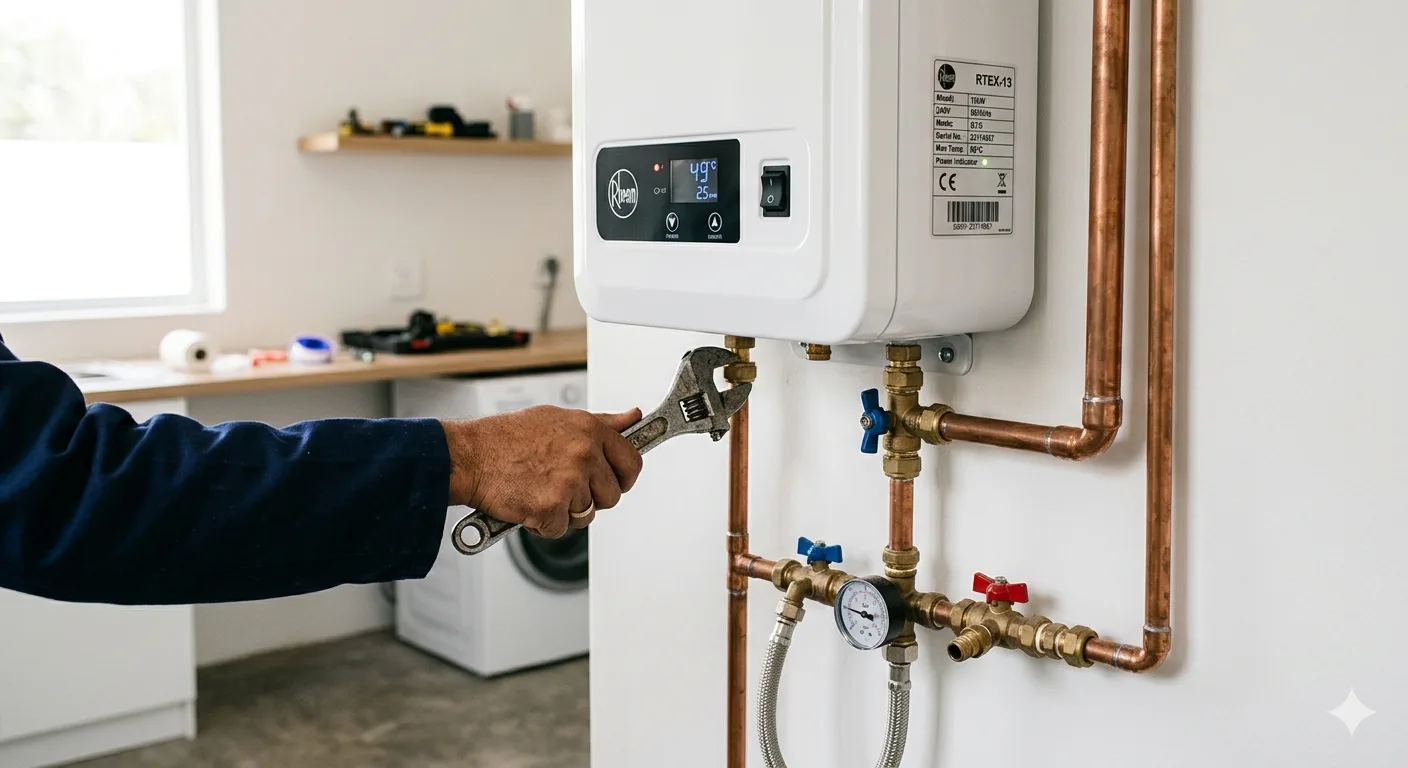
Your tankless water heater promises endless hot water and lower energy bills but only if you take care of it. Here’s everything you need to know about tankless water heater maintenance to protect your investment and avoid costly breakdowns.
Tankless water heaters also called on-demand or instantaneous water heaters have become one of the most popular upgrades in modern homes. Unlike traditional storage tank heaters, they heat water only when you need it, making them up to 34% more energy-efficient. But “tankless” doesn’t mean “maintenance-free.” Skipping regular upkeep can cut the lifespan of your unit in half and lead to expensive repairs.
The good news? Tankless water heater maintenance is straightforward once you know what to do and when to do it. This guide covers everything from monthly checks you can do yourself to annual servicing best left to a pro.
Why Tankless Water Heater Maintenance Matters
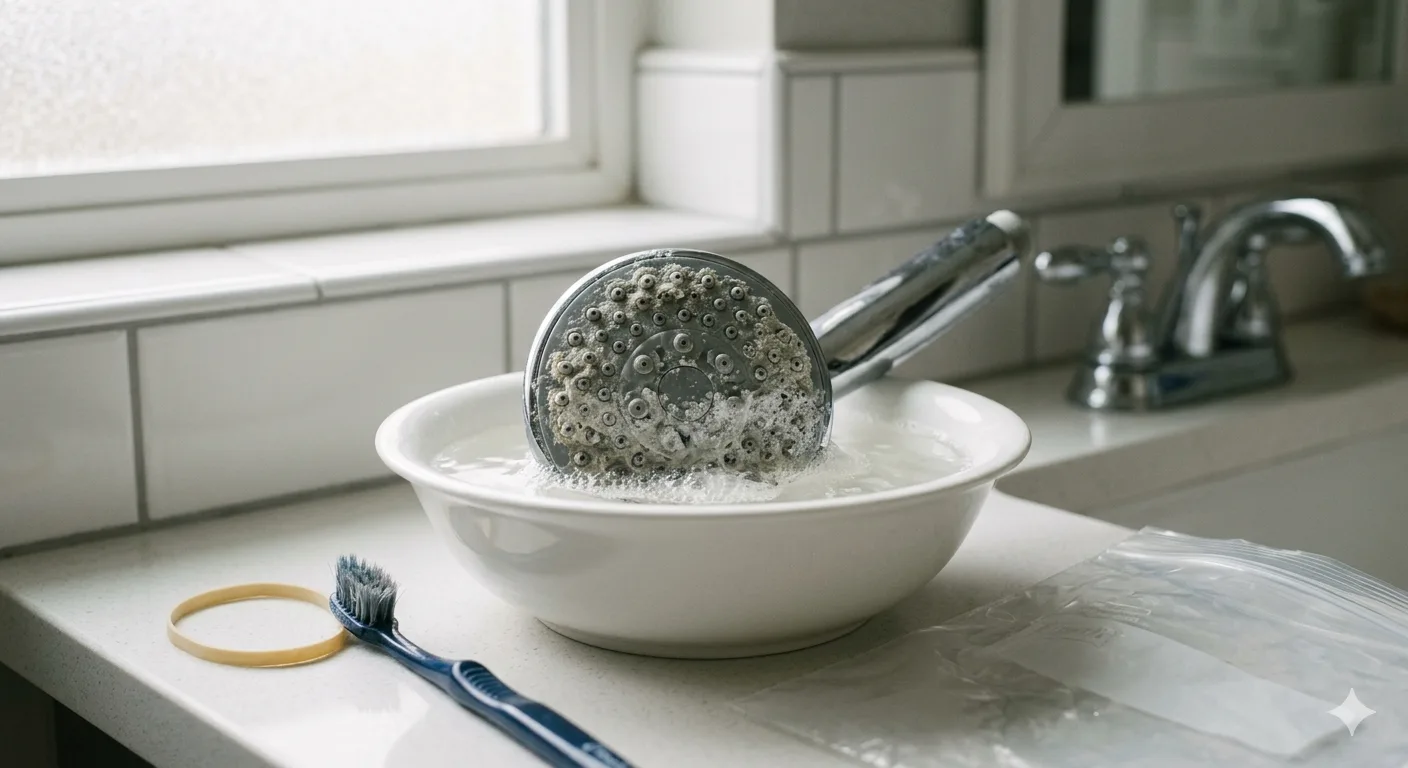
The biggest enemy of any tankless water heater is mineral buildup specifically calcium and magnesium deposits from hard water. As water passes through the heat exchanger at high temperatures, these minerals precipitate out and cling to internal components. Over time, scale buildup forces the heater to work harder, increases energy consumption, reduces flow rate, and can permanently damage the heat exchanger.
Beyond scale, tankless units also face issues with clogged inlet filters, blocked venting, and sensor degradation. A well-maintained unit can last 20 years or more. A neglected one may fail in under 10.
Not sure how hard your water is? A simple test strip from a hardware store or an online water quality report from your municipality can tell you in minutes. Anything above 7 grains per gallon (GPG) is considered hard water and puts your heater at higher risk of scale damage.
What Is the Recommended Tankless Water Heater Maintenance Schedule?
A consistent schedule is the foundation of good maintenance. Here’s a quick reference for what to do and how often:
How to Flush and Descale Your Tankless Water Heater
Flushing or descaling is the single most important tankless water heater maintenance task. It removes mineral deposits from the heat exchanger and restores efficiency. Most manufacturers recommend doing this annually, or every six months in areas with very hard water.
Here’s what you’ll need: a submersible pump, two washing-machine hoses, a five-gallon bucket, and food-grade white vinegar (or a commercial descaling solution like Calci-Free).
- Turn off the gas or electricity supply to the unit.
- Close the cold-water inlet valve and the hot-water outlet valve.
- Connect the submersible pump and hoses to the service ports (most modern units have these built in).
- Circulate four gallons of undiluted white vinegar through the unit for 45–60 minutes.
- Flush the system with clean water for 5–10 minutes to rinse out the vinegar.
- Reconnect everything, restore power or gas, and test the unit.
The whole process takes about 90 minutes and can save hundreds of dollars in energy costs and repair bills over the life of the unit.
How Do You Clean the Inlet Filter?
Most tankless water heaters have a small screen filter on the cold-water inlet line. This filter catches sediment and debris before it can enter the heat exchanger. A clogged filter reduces water pressure and flow rate and it’s one of the most common causes of error codes on newer units.
Cleaning it is simple: turn off the water supply, unscrew the filter screen, rinse it under running water, and reinstall. This takes about five minutes and should be done every six months, or more often if you have a well or older pipes.
How Do You Check the Pressure Relief Valve?
The temperature and pressure (T&P) relief valve is a critical safety device. It releases pressure if the system overheats. To test it, place a bucket under the discharge pipe and briefly lift the lever. Water should flow freely and stop completely when you release it. If the valve drips afterward, it may need replacing a job for a licensed plumber.
When to Call a Professional
Some tankless water heater maintenance tasks are DIY-friendly, but others require a licensed technician. Call a pro if you notice any of the following:
- Persistent error codes that don’t clear after basic troubleshooting
- A gas smell near the unit at any time
- Visible corrosion, rust, or water damage around connections
- A sudden spike in gas or electricity bills with no change in usage
What Else Can Help? Install a Water Softener
If you live in a hard water area, the single best thing you can do for your tankless water heater beyond regular maintenance is to install a whole-home water softener or a dedicated scale-inhibiting filter on the inlet line. This dramatically slows mineral buildup and can extend the time between descaling sessions from once a year to once every two or three years.
What Are the Key Takeaways?
Tankless water heater maintenance doesn’t have to be complicated or expensive. A simple annual flush, a semi-annual filter clean, and a quick monthly visual check are all it takes to keep your unit running efficiently for decades. Think of it like changing the oil in your car a small investment of time that protects a much larger investment in your home.
Stay on top of your maintenance schedule, know when to call a professional, and your tankless water heater will reward you with reliable, energy-efficient hot water for 20 years or more.
Found this guide helpful? Share it with a neighbor or bookmark it for your next annual maintenance reminder. Regular care is the simplest way to protect one of your home’s most essential appliances.