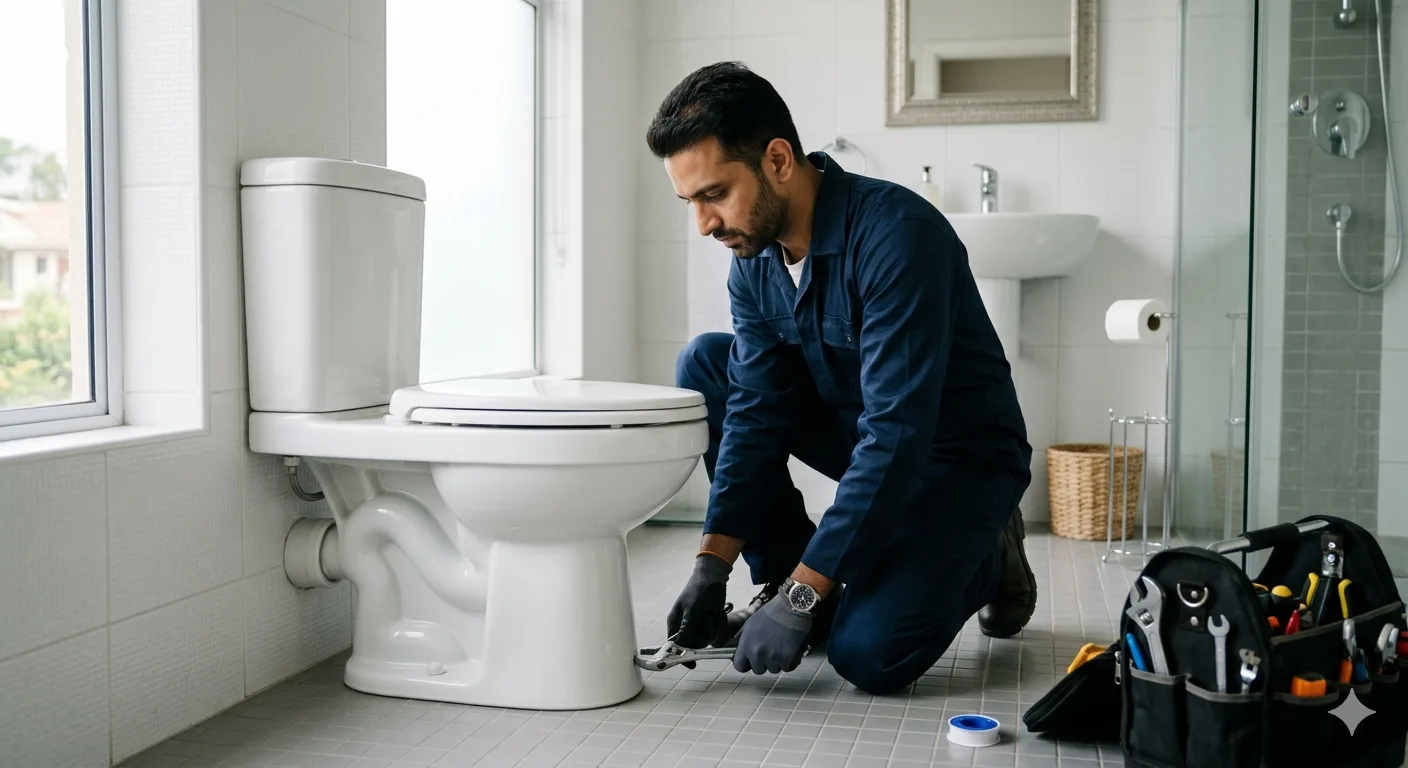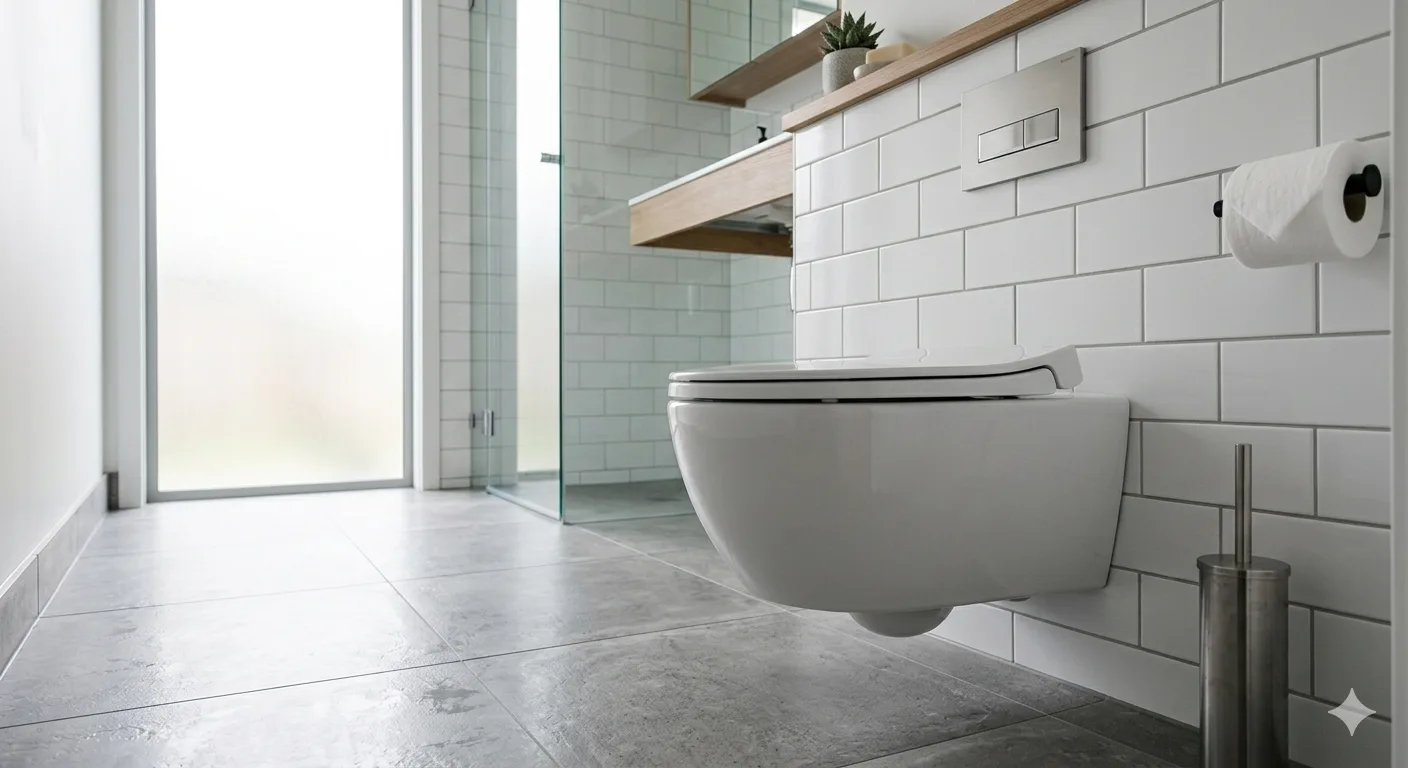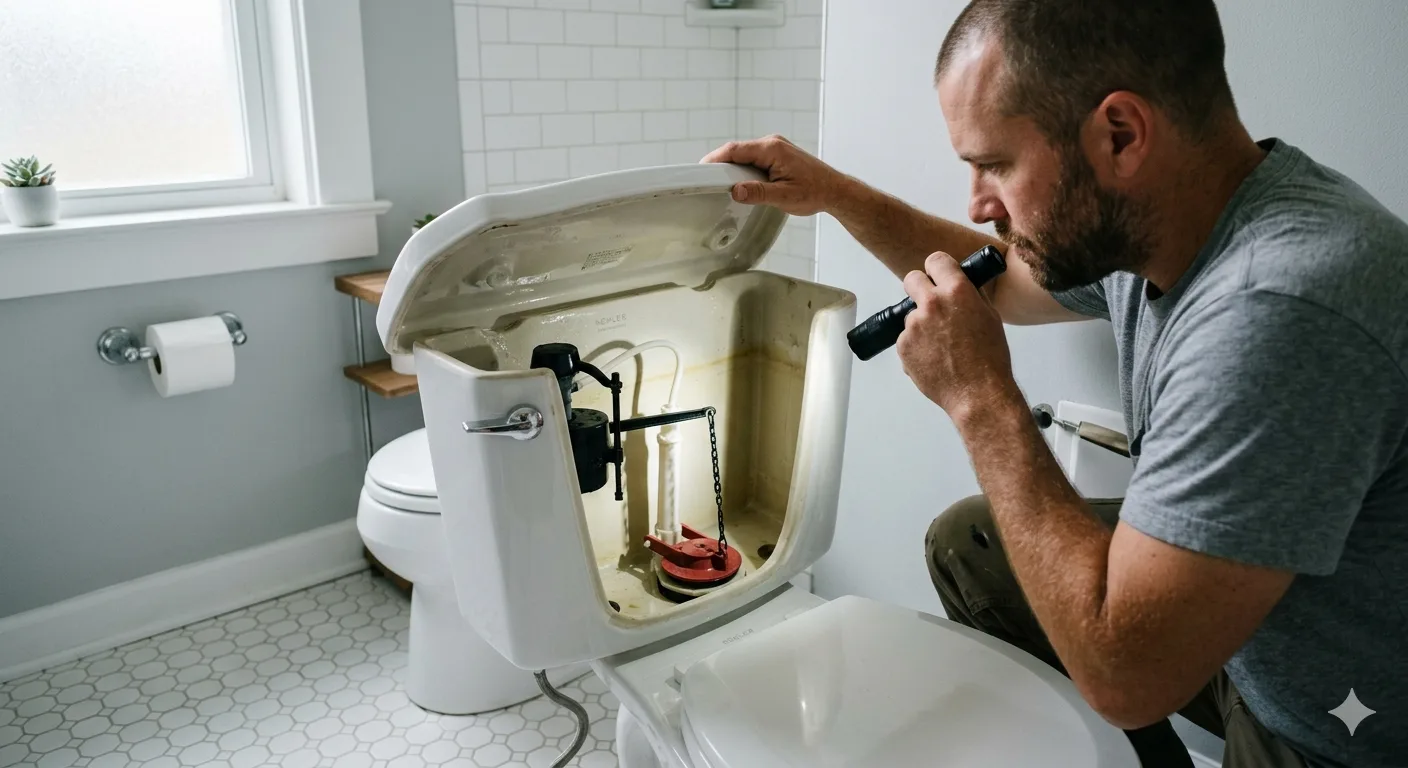
Replacing a toilet sounds straightforward until the new one arrives and won't fit the rough-in, won't clear the side wall or won't sit flush against the supply line. Most homeowners skip measuring entirely and find out the hard way that toilet dimensions are not standardised. Returning a toilet is a hassle. Returning one already partially installed is worse.
Quick Answer: Toilet dimensions refer to the key measurements needed to ensure a new toilet fits correctly: rough-in distance, bowl shape, height, width and depth. The most critical measurement is the rough-in, the distance from the finished wall to the centre of the drain flange, which is 12 inches in most US homes but can be 10 or 14 inches in older properties. Getting this wrong before purchasing a toilet is the most expensive and common mistake homeowners make.
Why Toilet Dimensions Are Not as Simple as They Look
Dozens of toilets in a showroom look broadly similar. What you won't see at a glance is that rough-in distances vary between models, bowl projection ranges from 25 to 31 inches and height from floor to seat rim varies enough to matter for older adults or anyone with mobility needs.
Most people measure nothing before buying. The PHCC notes that rough-in mismatches are among the most common causes of returned fixtures and additional service calls. Six measurements before you buy eliminates nearly all of those problems.
The 6 Critical Toilet Dimensions to Measure Before Buying
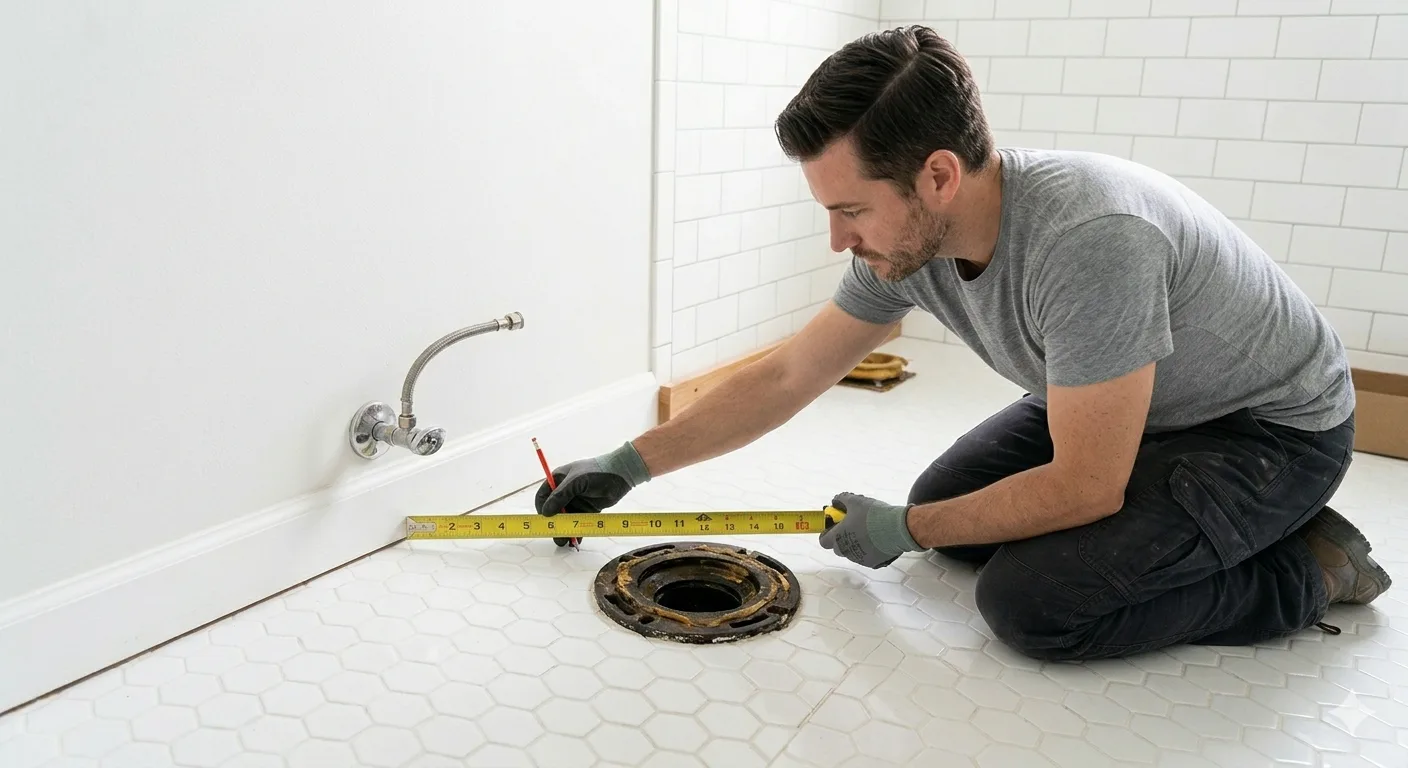
Rough-in distance: the measurement that matters most.
The rough-in is the distance from the finished wall behind the toilet to the centre of the drain flange on the floor. Measure from the wall, not the baseboard. Most US homes built after the 1960s have a 12-inch rough-in. Older homes may have 10-inch or 14-inch rough-ins. If you buy a 12-inch toilet for a 14-inch rough-in, there will be a visible gap between the tank and the wall. If you buy a 12-inch toilet for a 10-inch rough-in, the toilet simply won't fit over the flange. Rough-in distance is non-negotiable. Measure it before you do anything else.
Bowl shape: round versus elongated.
Round bowls extend 25 to 27 inches from the wall. Elongated bowls extend 28 to 31 inches. Elongated bowls are more comfortable for adults but take more floor space. Check your available clearance before choosing, not just what looks good in a photo.
Toilet height: standard, comfort or ADA.
Standard toilets measure 15 to 17 inches from floor to seat rim. Comfort height or ADA-compliant models measure 17 to 19 inches, which is closer to chair height and significantly easier to use for taller adults, older people and anyone with joint or mobility issues. The EPA WaterSense programme certifies both standard and comfort height models for water efficiency. Height is a toilet dimension that's easy to get right with one measurement but surprisingly easy to get wrong if you assume all toilets are the same height.
Width at the tank.
Most toilet tanks are 18 to 20 inches wide. In bathrooms where the toilet sits close to a wall or vanity, this determines whether the tank fits without obstruction. Measure at tank level, not just at floor level, since wider tanks can also block access to the shut-off valve behind the toilet.
Depth from wall to front of bowl.
Total depth, from the finished wall to the front of the bowl, ranges from 27 to 32 inches depending on the model and bowl shape. In bathrooms where floor space is limited or where the door swings toward the toilet, this measurement determines how much clearance is left for movement and whether building code minimums are met. The International Residential Code requires a minimum of 21 inches of clear floor space in front of a toilet, measured from the front rim to any obstruction.
Water supply location and connection clearance.
The supply valve sits on the left side of the toilet, typically 6 to 8 inches off the floor. Some sleek or concealed tank designs have less clearance around the supply connection. Verify compatibility before purchasing. A mismatched height is fixable with an extension supply line, but better to know before installation day.
When Toilet Dimensions Require a Licensed Plumber
Most toilet replacements are straightforward once the measurements are right. A licensed plumber is needed when the rough-in doesn't match any standard toilet, which happens in older homes with modified cast iron flanges, or when the floor flange is damaged or set at the wrong height.
The CDC classifies improper toilet installation as a potential source of sewage gas infiltration, particularly when the wax ring is compromised by an incorrectly sized installation. A licensed plumber confirms the flange is sound and the connection is leak-free before the toilet goes into service.
Frequently Asked Questions About Toilet Dimensions
How do I measure the rough-in distance if the toilet is already installed?
Measure from the finished wall behind the toilet, not the baseboard, to the centre of the bolt caps on either side of the toilet base. Those caps sit directly over the flange bolts, which are centred on the drain. This gives you the rough-in distance without removing the existing toilet.
What is the most common rough-in size in US homes?
12 inches is by far the most common rough-in distance in US homes built after the mid-1960s. Homes built before that era may have 10-inch or 14-inch rough-ins. Always measure rather than assuming, because a mismatch is not correctable without either replacing the toilet or moving the drain, which is a significant plumbing job.
Can I install a 12-inch toilet in a 14-inch rough-in space?
Yes, but there will be a gap between the tank and the wall. Some homeowners accept this. Others choose a toilet designed for a 14-inch rough-in to achieve a flush fit. A licensed plumber can advise on the best approach for your layout.
Do toilet dimensions affect water efficiency?
Toilet bowl shape and tank size do not directly affect water efficiency, but tank volume does. Low-flow toilets use 1.28 gallons per flush and carry the EPA WaterSense certification. Standard models use 1.6 gallons per flush. Both are available in all standard toilet dimensions. Choosing the right dimensions for your space does not require sacrificing water efficiency.
Find a Trusted Local Plumber for Toilet Installation Today
Getting the toilet dimensions right before you buy is the part of this project most homeowners skip. It takes five minutes and prevents a return trip to the hardware store or, worse, a day of plumbing work to fix a drain flange that doesn't match what arrived.
Visit PlumberLocator.us to find a licensed local plumber in your area who can measure, advise and install your replacement toilet correctly the first time. For more practical plumbing guidance, browse our plumbing tips section.