Most people hear that phantom flush sound at 2 a.m. and just roll over. They figure it will sort itself out. It won't. A toilet keeps running because something inside the tank has failed, and that failure does not pause while you sleep. According to the EPA, a single running toilet can waste up to 200 gallons of water per day. That is not a drip. That is money vanishing down your drain every month.
Quick Answer: A toilet keeps running when one or more internal tank components, most often the flapper, fill valve, or float, fails to seal or shut off correctly. This can waste 200 gallons or more daily, adding hundreds of dollars to your annual water bill. Identifying the faulty part and replacing it, or calling a licensed plumber for a full tank rebuild, will stop the waste immediately.
Why a Toilet Keeps Running and What It Is Costing You
A running toilet is not a quirk. It is a mechanical failure repeating every hour of every day. The tank above your bowl is designed to fill, stop, and wait. When that cycle breaks, water keeps trickling into the bowl and the fill valve keeps compensating. At the national average water rate, a toilet losing just one gallon per minute adds roughly 1,440 gallons to your daily usage. Over a year, that can cost you more than $1,000. That is a repair you are actively paying for without receiving any benefit.
The Worn Flapper Is the Top Reason a Toilet Keeps Running
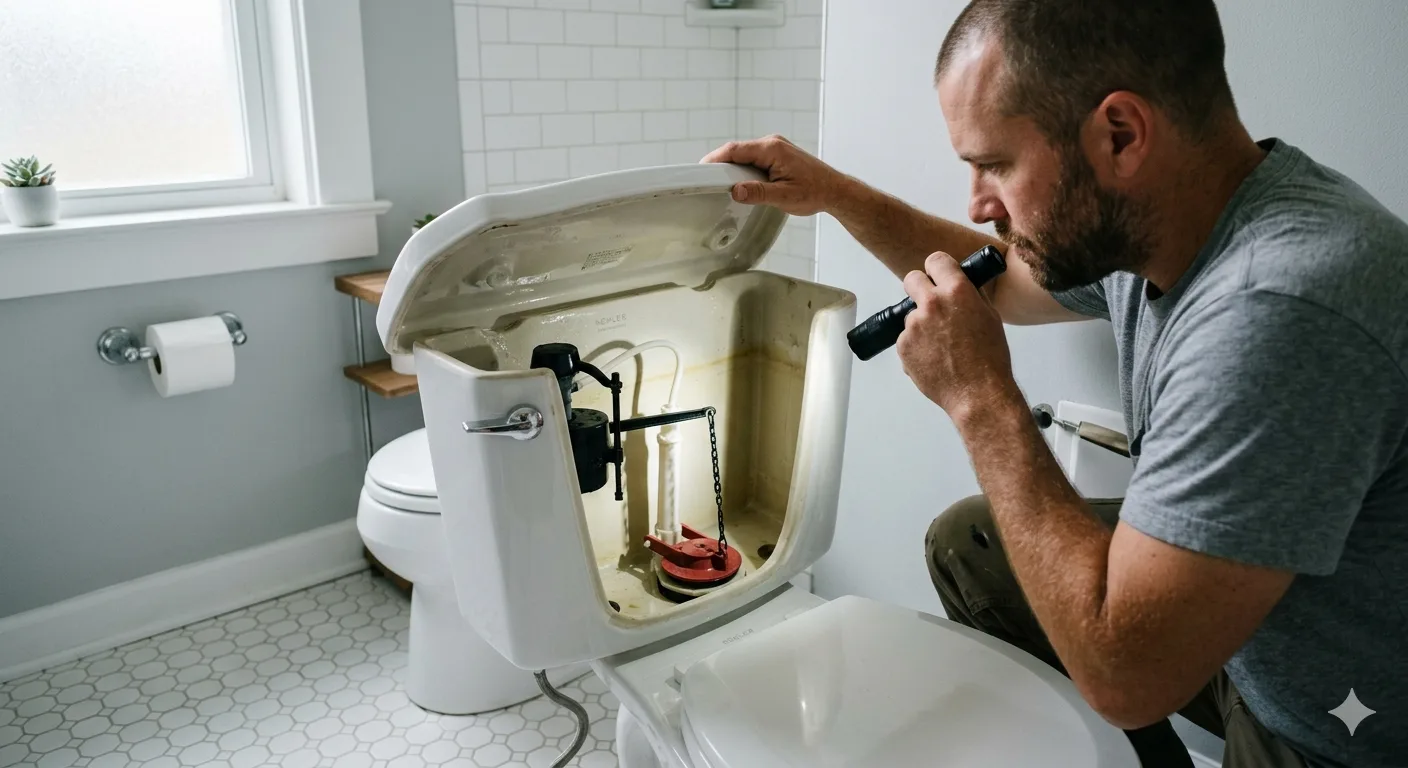
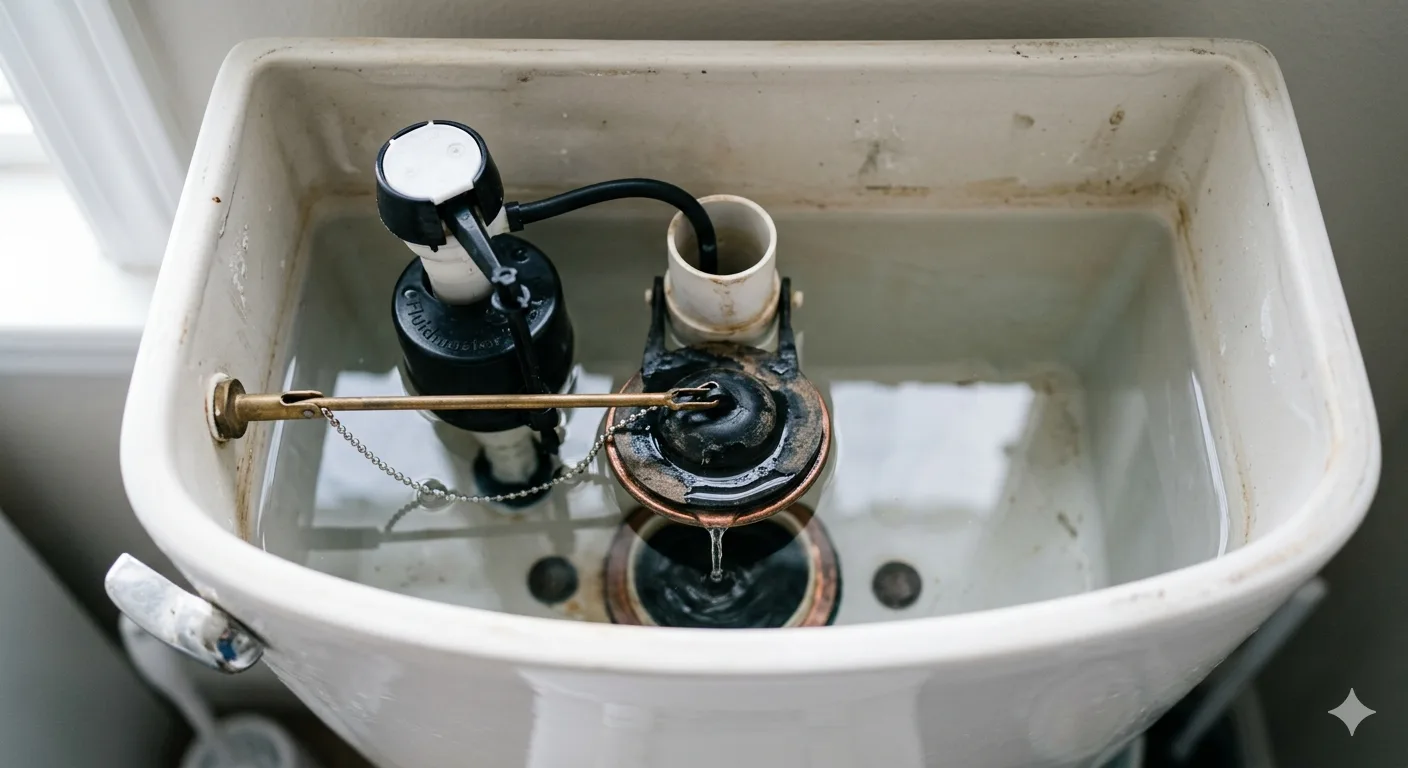
The flapper is a rubber seal at the bottom of your tank. Every time you flush, it lifts to let water rush into the bowl, then drops back down to form a watertight seal. Most flappers last four to five years, and hard water shortens that considerably. To test yours, drop food coloring into the tank and wait 15 minutes without flushing. If color appears in the bowl, the flapper is leaking. Replacement flappers cost about $5 to $10 and take under 10 minutes to swap out. If the leak persists after replacement, the seat itself may be cracked, which requires a plumber to assess properly.
A Failing Fill Valve Causes a Toilet That Keeps Running After Every Flush
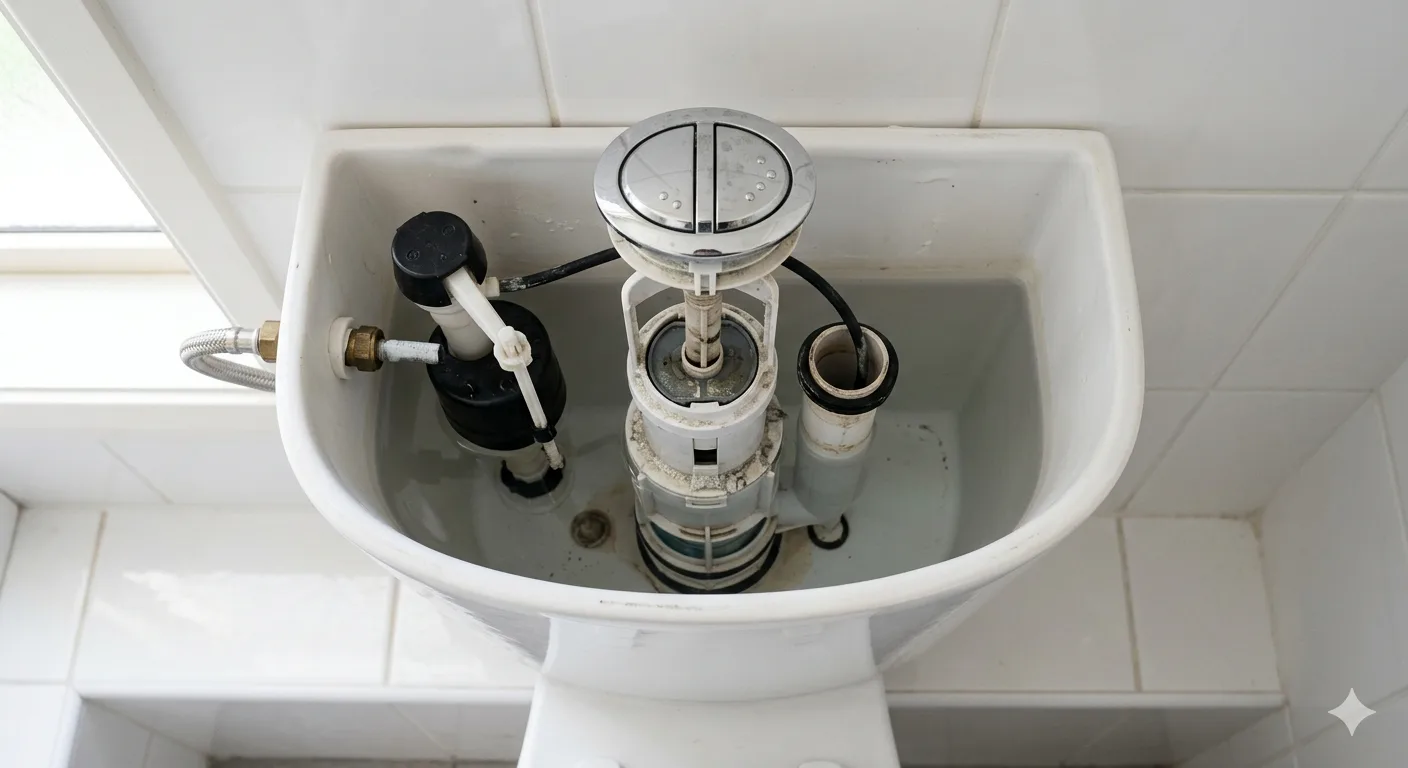
The fill valve controls water flow into the tank after a flush. When it fails, it either never fully closes or cycles on and off in a pattern you will recognize as intermittent refilling at odd hours. This is sometimes called phantom flushing. Fill valves typically last eight to ten years, but sediment-heavy water can cut that short. A new fill valve costs between $10 and $20. Installation is straightforward, but if the supply connection or lock nut shows corrosion, call a plumber from PlumberLocator.us to avoid cracking the tank.
When the Float Is Wrong, the Toilet Keeps Running Into the Overflow Tube
Every tank has a float mechanism that tells the fill valve where to stop. If the float is set too high, water rises above the overflow tube and drains into the bowl continuously. The fill valve never gets the signal to stop because the tank never truly fills to the shutoff point. The fix is adjustment. On a ball-float system, bend the arm downward slightly. On a cup-float, slide the adjustment collar down one inch below the top of the overflow tube. The PHCC recommends having a licensed plumber perform this adjustment as part of a broader tank inspection, since a misset float can also reduce flush performance. Visit phccweb.org for additional guidance on tank maintenance standards.
A Cracked Overflow Tube Keeps a Toilet Running Silently for Months
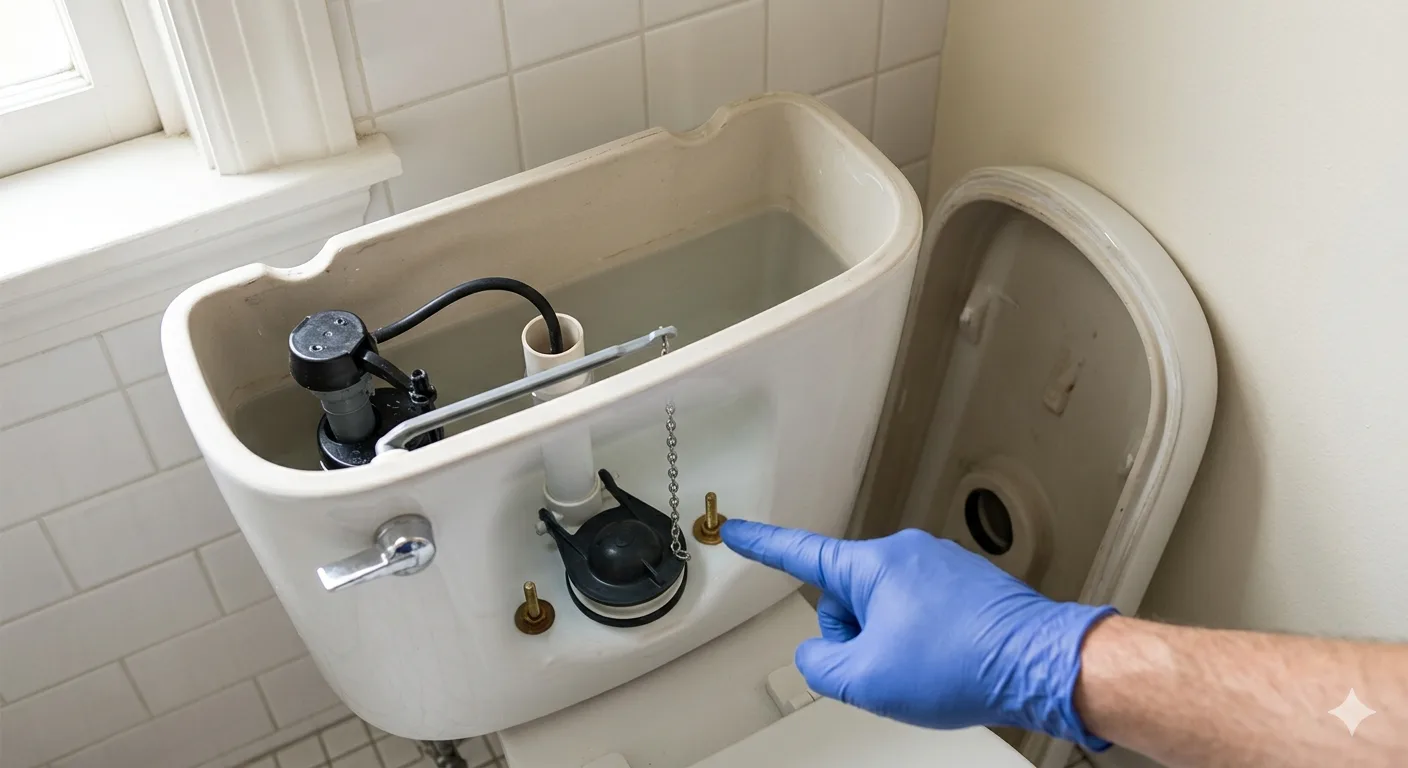
The overflow tube is the vertical pipe inside your tank that acts as a safety drain. When it is cracked or installed at the wrong height, water siphons down it constantly into the bowl. Because the sound is a quiet trickle, most people miss it entirely until the bill arrives. Look into the tank when it is fully filled. If you can see water moving into that tube when you have not flushed, the overflow tube is the culprit. Sometimes cutting the tube to the correct height solves it. Other times the full flush valve assembly needs replacing, which means removing the tank from the bowl. That is the point where calling a plumber from PlumberLocator.us saves both time and risk. You can also review related maintenance advice at our plumbing tips page.
How Hard Water Makes a Toilet Keep Running Faster Than It Should
Hard water is responsible for more toilet failures than most homeowners expect. The CDC classifies water with more than 121 milligrams per liter of calcium carbonate as hard, and roughly 85 percent of the US water supply falls into that range. Inside a tank, those minerals accumulate on every rubber and plastic component. Flappers stiffen. Fill valves clog. Float mechanisms stick. The result is a toilet keeps running situation where small failures compound with no single obvious cause. The EPA's WaterSense program notes that toilet leaks account for nearly 31 percent of indoor household water use. If your toilet is over five years old in a hard water area, a full internal tank inspection is the smart next step. Visit epa.gov to learn more about water efficiency in the home.
Frequently Asked Questions About Toilet Keeps Running
How do I know if my toilet keeps running or just refills slowly?
A toilet keeps running with a continuous hissing or trickling sound that does not stop several minutes after a flush. A slow-refilling toilet goes quiet once the tank is full. If the sound persists for more than two minutes after flushing, you have a running toilet.
Can a toilet that keeps running cause water damage?
The running water goes down the drain, so there is no flooding risk from a faulty flapper or fill valve alone. However, a cracked tank or supply line under constant pressure can cause serious water damage quickly. Always inspect the full tank assembly when troubleshooting a toilet that keeps running.
How much does it cost to fix a toilet that keeps running?
DIY repairs range from $5 for a new flapper to about $30 for a full tank rebuild kit. Professional repair typically runs between $100 and $250 depending on parts and local labor rates. A running toilet adding $70 to $200 to your monthly bill makes prompt repair an easy financial decision.
Should I replace the whole toilet if it keeps running repeatedly?
Not necessarily. If your toilet is older than 20 years and needs frequent repairs, replacement may be more cost-effective. Modern WaterSense-certified toilets use 1.28 gallons per flush compared to older models using 3.5 gallons or more. A plumber can help you weigh repair cost against the long-term savings of a new installation.
Find a Trusted Local Plumber for Toilet Keeps Running Today
A toilet that keeps running is not something to keep ignoring. Every day it goes unfixed is another day of wasted water and a higher bill. Whether you want to swap the flapper yourself first or hand the whole job to a professional, you now know exactly what to look for and what each fix involves.
Head to PlumberLocator.us to connect with a licensed local plumber in your area who can diagnose the problem, rebuild the tank if needed, and make sure everything is sealed correctly the first time. For practical advice on other common plumbing issues, browse the guides at our plumbing tips page.