Toilet Water Supply Line: 7 Proven Failures You Must Prevent
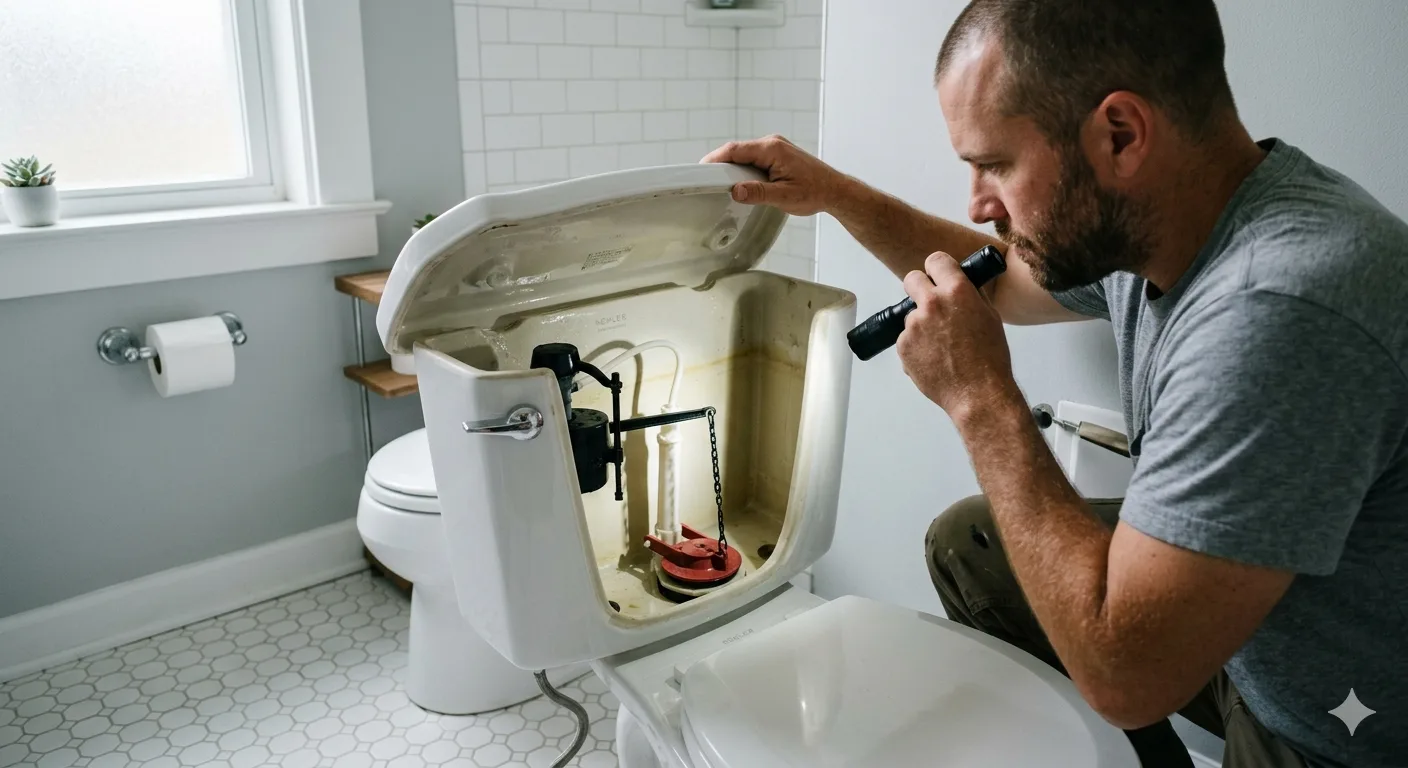
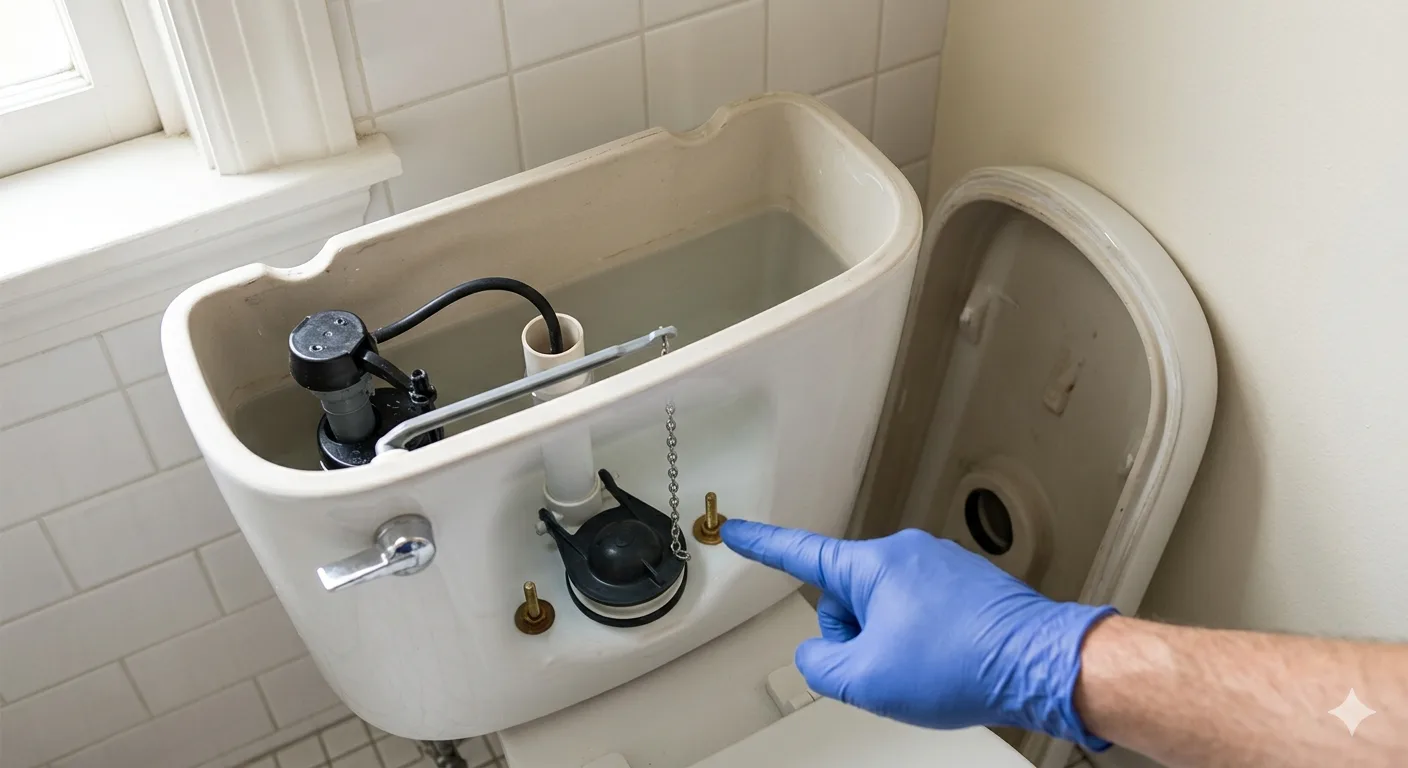
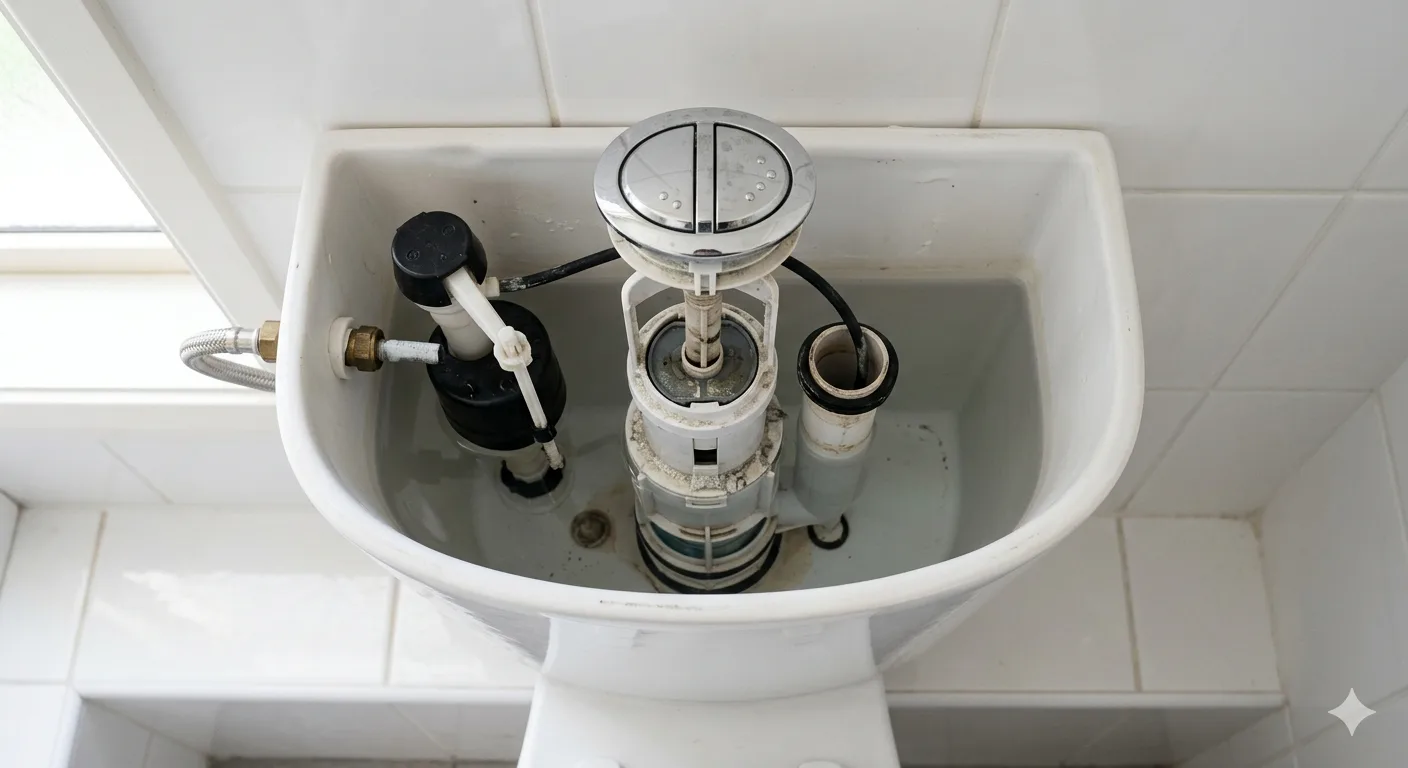
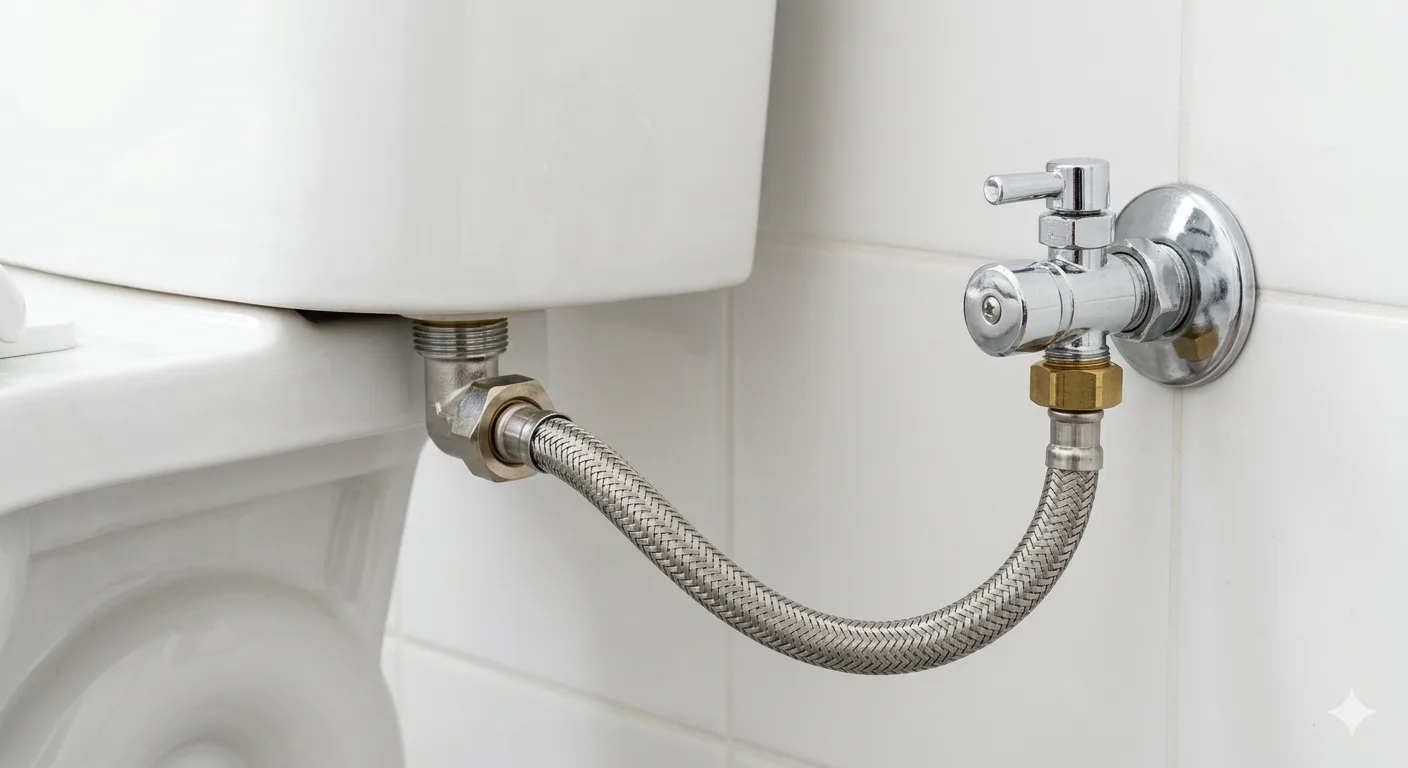
The toilet water supply line is one of the smallest and least glamorous components in your bathroom plumbing, but also one of the most failure-prone. This short braided hose connects the shut-off valve on the wall to the fill valve at the base of the toilet tank. When it works, you never think about it. When it fails, the consequences range from a slow drip to a burst line flooding the bathroom before anyone notices. This guide covers seven proven failures that affect toilet water supply lines, how to spot the warning signs and when to call a licensed local plumber before a small problem becomes a serious one.
What Is a Toilet Water Supply Line and Why Does It Fail?
A toilet water supply line sits under constant water pressure every hour of every day, even when the toilet is not being used. Unlike drain pipes that only carry water intermittently, the supply line is always pressurised. This continuous pressure combined with the physical stress of being bent into position during installation and the natural aging of materials means the line is always working even when nothing is happening.
Most residential toilet water supply lines are between twelve and twenty inches long and made from one of three materials: braided stainless steel over a rubber inner core, corrugated chrome-plated brass or rigid plastic. Braided stainless steel is the most common and most durable. Rigid plastic is the least durable and the most prone to cracking with age.
All three materials have a finite service life. Industry guidance from the Plumbing-Heating-Cooling Contractors Association recommends replacing toilet water supply lines every five to ten years regardless of visible condition, because internal degradation often precedes any external sign of failure.
7 Proven Failures Every Toilet Water Supply Line Owner Must Prevent
Failure 1: Corrosion at the fittings
The threaded fittings at each end of the toilet water supply line are the most common failure points, connecting to the shut-off valve at one end and the fill valve nut at the other. Corrosion develops at these connection points over time, particularly in areas with hard water or high humidity, weakening the metal until the fitting cracks or develops a slow weep that goes unnoticed until the cabinet beneath the toilet shows water damage.
Inspect the fittings visually twice a year. White powdery residue or greenish staining around the connection points are signs of early corrosion. A supply line showing these signs should be replaced even if not yet actively leaking.
Failure 2: Rubber inner core deterioration
Beneath the braided outer sleeve of a stainless steel toilet water supply line is a rubber inner tube that carries the water. This rubber degrades over time, becoming brittle and porous. The outer braid can look perfectly intact while the inner core has deteriorated to the point of rupturing under continuous water pressure.
This failure is particularly dangerous because there is no visible external warning. A rubber core that has degraded significantly can burst suddenly and completely. Water detectors placed near the toilet base provide an early warning in homes with older supply lines.
Failure 3: Over-tightening during installation
A toilet water supply line that was over-tightened at installation is a failure waiting to happen. The fittings are designed to seal with hand tightening plus a quarter to half turn with a wrench. Excessive torque compresses the rubber washer beyond its design limit, cracks plastic threads on the fill valve nut or stresses the metal at the fitting neck.
The result is a fitting that leaks immediately because the washer has been deformed, or holds for a period then cracks as the material fatigues. If a recently replaced supply line is weeping at the fittings, over-tightening is the most likely cause.
Failure 4: Kinking from poor positioning
A toilet water supply line bent too sharply or kinked restricts water flow and places constant mechanical stress on the hose at the bend point. Over time this causes the inner core to crack, typically presenting as a slow leak from the middle of the hose.
When replacing a supply line, choose the correct length for the distance between the shut-off valve and the fill valve. A line too long forms unnecessary bends. A line too short is held under tension. The correct length allows a gentle, unforced curve with no tight bends.
Failure 5: Shut-off valve failure beneath the line
The shut-off valve to which the toilet water supply line connects is often overlooked, but a faulty shut-off valve is directly linked to supply line problems. A valve that has not been operated in years can seize in the open position, making it impossible to isolate the toilet during a leak. A valve with a worn stem seal will drip from the valve stem rather than from the supply line connection, but the water damage is identical.
Test the shut-off valve behind each toilet by turning it fully clockwise until it stops, then reopening it. A valve that is stiff, will not fully close or leaks from the stem should be replaced alongside the supply line, eliminating two failure points in a single plumber visit.
Failure 6: Water hammer stress
Water hammer is the banging sound that occurs when a fast-closing fill valve creates a pressure wave in the supply line. Repeated water hammer events place cumulative stress on the toilet water supply line fittings, particularly at the connection to the fill valve.
In homes with high incoming water pressure, a water hammer arrestor fitted to the toilet supply line absorbs the pressure spike and protects both the supply line and the fill valve from repetitive stress. A licensed plumber can assess whether water hammer is a factor during a routine inspection.
Failure 7: Age without replacement
The simplest and most preventable failure of any toilet water supply line is age. Most homeowners replace supply lines only after visible failure, by which time water damage has already occurred. A supply line more than ten years old is statistically more likely to fail regardless of how it looks from the outside.
According to the American Society of Plumbing Engineers, proactive replacement of aging flexible plumbing connections is one of the most cost-effective preventive maintenance steps available to homeowners. The cost of a new supply line is a fraction of water damage remediation following a burst. Our plumbing tips and advice page has more guidance on proactive home plumbing maintenance.
How to Choose a Replacement Toilet Water Supply Line
When a toilet water supply line needs replacing, measure the distance between the shut-off valve outlet and the fill valve connection to determine the correct line length. Lines are typically available in lengths from nine to twenty inches. Choose the closest match rather than a longer line that needs to be looped.
Braided stainless steel over a reinforced inner core is the recommended material. Avoid plain plastic supply lines. Check that the fitting sizes at each end match your shut-off valve and fill valve connections. Most residential fittings are three-eighths inch compression at the valve end and seven-sixteenths or half-inch ballcock nut at the fill valve end, but this varies between manufacturers.
A licensed plumber replacing a toilet water supply line will also inspect the shut-off valve and fill valve before completing the job. Our find a local plumber directory connects you with licensed, insured and reviewed local plumbers who handle toilet supply line replacement in your area.
How Do You Find a Trusted Local Plumber for Your Toilet Water Supply Line?
A failing toilet water supply line is one of the easiest and least expensive plumbing repairs to carry out proactively, and one of the most damaging to ignore. Our plumber locator directory connects you with trusted, licensed and insured local plumbers who inspect, replace and certify toilet supply lines and shut-off valves for residential and commercial properties. Browse our find a local plumber directory, read genuine customer reviews and book a local professional today before a small component becomes a big problem.