title: Touch Kitchen Faucet: 6 Proven Ways to Avoid Costly Damageslug: touch-kitchen-faucetmeta_description: Touch kitchen faucet broken or misbehaving? Find out what goes wrong, what it costs, and connect with a trusted licensed local plumber at PlumberLocator.us.image_alt: touch kitchen faucet
You tap the faucet handle and nothing happens. You tap again. Still nothing. You wave your hand near the base, try different spots, check that it’s plugged in. It worked fine six months ago, and now it has a mind of its own. A touch kitchen faucet is one of the best kitchen upgrades you can make, right up until it isn’t.
Quick Answer: A touch kitchen faucet uses capacitive sensor technology to detect a light tap on the spout or handle, triggering water flow. Most touch faucets last 5 to 10 years before sensor or solenoid issues develop. A licensed plumber can diagnose and fix the problem in under two hours, restoring full function and preventing water damage.
Show Image
Why Is Touch Kitchen Faucet Technology More Fragile Than It Looks?
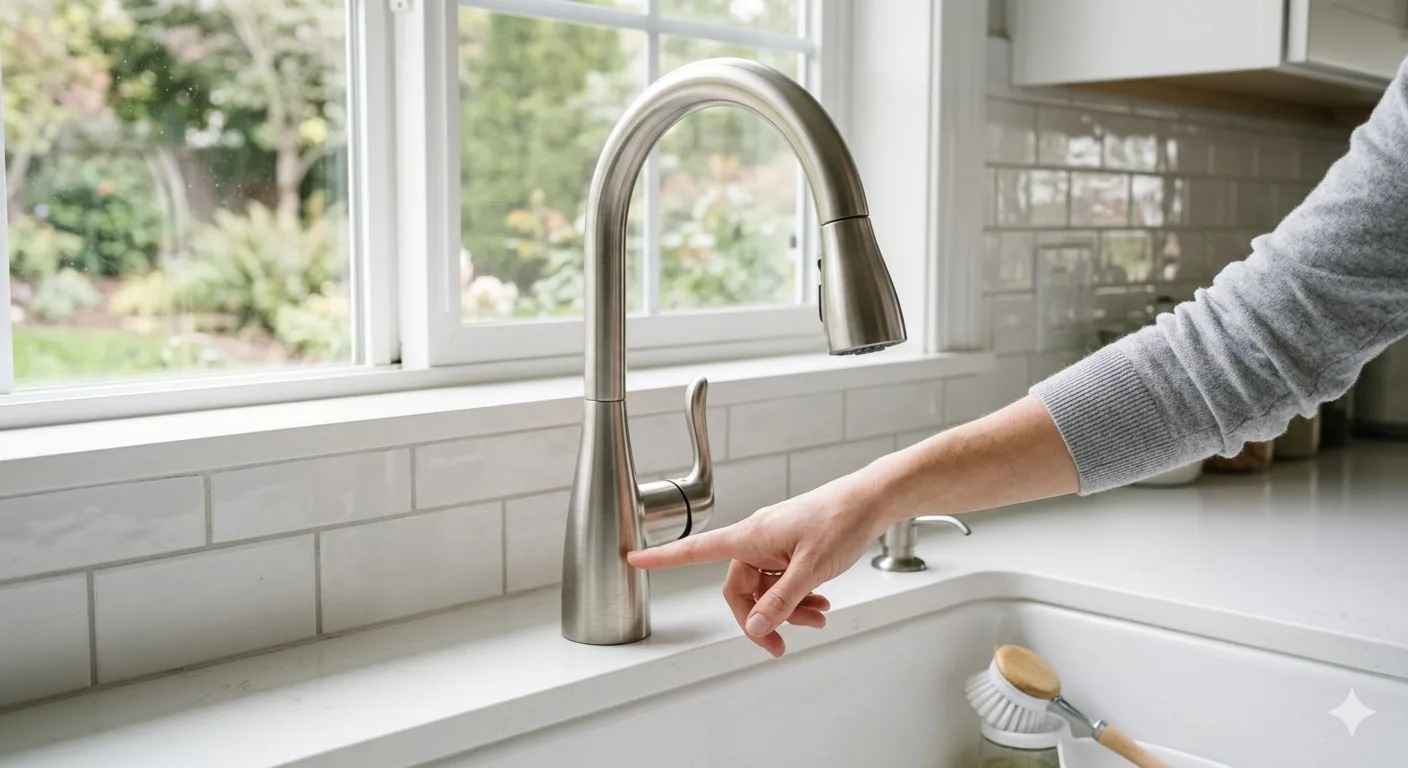
The technology behind a touch faucet is clever but fragile. When you touch the metal spout, your body completes a small electrical circuit and the sensor signals a solenoid valve to open the water pathway. The concept is simple. The execution is another matter.
Three separate systems work together every time you tap: the sensor array, the solenoid valve, and the power supply. Any one of them can fail independently. Most homeowners treat a touch faucet exactly like a standard one, meaning zero maintenance until something breaks. The EPA notes that household leaks and fixture failures waste nearly one trillion gallons of water annually across the US, and aging sensor faucets are a growing part of that number.
Why Your Touch Kitchen Faucet Stops Responding to Touch
The most common reason a touch faucet stops responding is battery failure. Most touch faucets run on four to six AA batteries in a control box under the sink, lasting one to two years. When voltage drops, the faucet doesn’t fail dramatically. It gets inconsistent, responding sometimes and ignoring you other times.
If fresh batteries don’t fix it, the sensor wire is the next suspect. This thin cable runs from the control box through the faucet body. Under-sink spaces are messy, and that wire can develop a kink or a loose connection over years of contact with cleaning supplies or cabinet doors. A loose connection produces the exact same symptoms as dying batteries.
How Does the Solenoid Valve Controls Your Touch Kitchen Faucet Flow?
Most homeowners have never heard of a solenoid valve. If your touch kitchen faucet runs continuously, pulses on its own, or flows at a trickle regardless of what you do, this is the part to understand. It opens and closes the water pathway every time you tap, cycling thousands of times a year in an active kitchen.
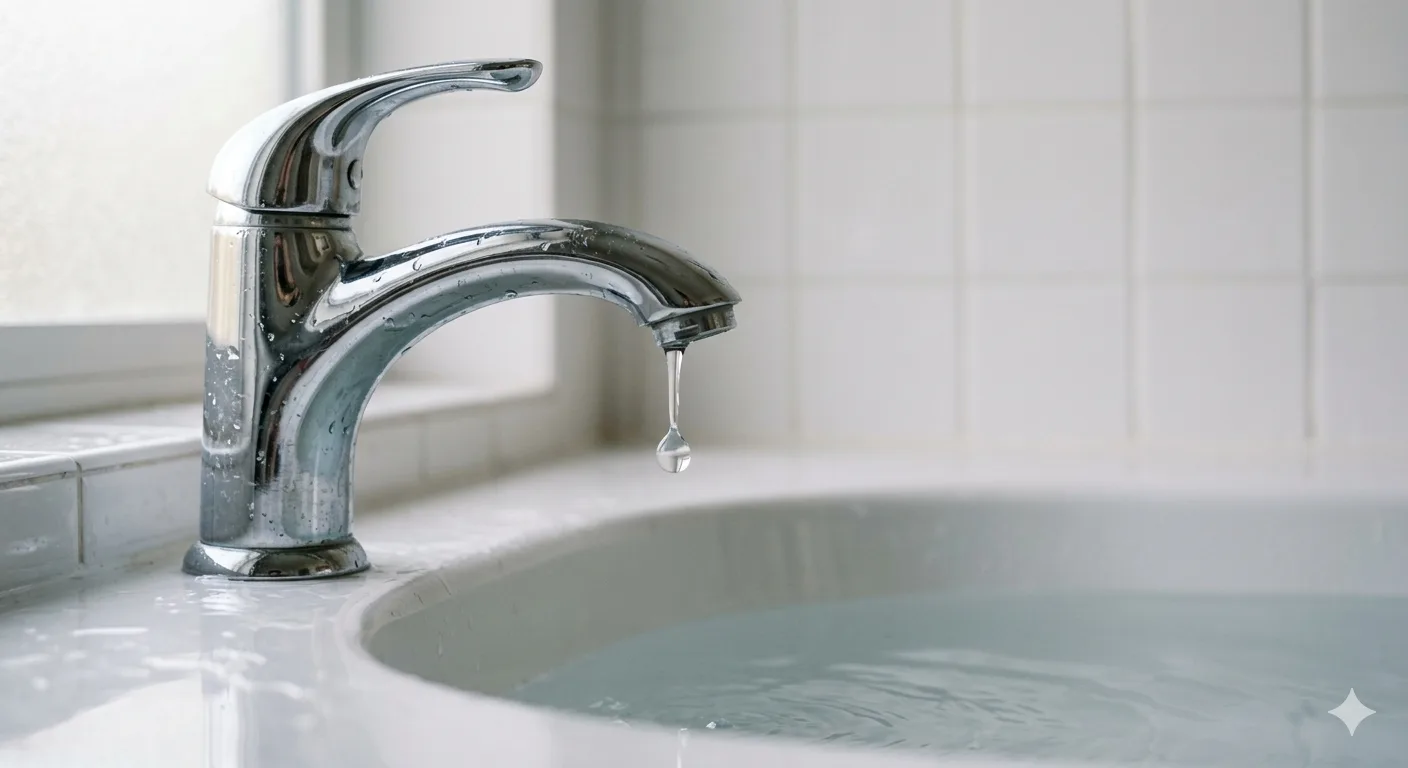
Solenoid valves typically last 5 to 8 years. Hard water accelerates wear because mineral deposits accumulate on the valve seat and prevent full closure. Even a slow drip adds up. A faucet dripping at one drip per second wastes over 3,000 gallons per year according to EPA WaterSense data. Replacing a solenoid valve is straightforward for a licensed plumber and generally costs 75 to 150 dollars in parts and labor.
Can Grounding Problems Make Your Touch Kitchen Faucet Behave Erratically?
Touch faucets rely on your body completing an electrical circuit, and for that to work the faucet must be properly grounded. If the grounding connection has loosened, the sensor behaves erratically. It may trigger when nobody is near it, refuse to respond when you touch it, or flicker the flow on and off mid-use.
This is more common in older homes where under-sink plumbing wasn’t updated during installation. The PHCC recommends that any sensor or smart fixture installation include grounding verification as part of the job. Skipping that step is one of the most common errors in DIY faucet replacements. Fixing a grounding issue takes a plumber about 30 minutes and can resolve years of intermittent behavior in one visit.
What Does a Touch Kitchen Faucet Leaks at the Base Signal?
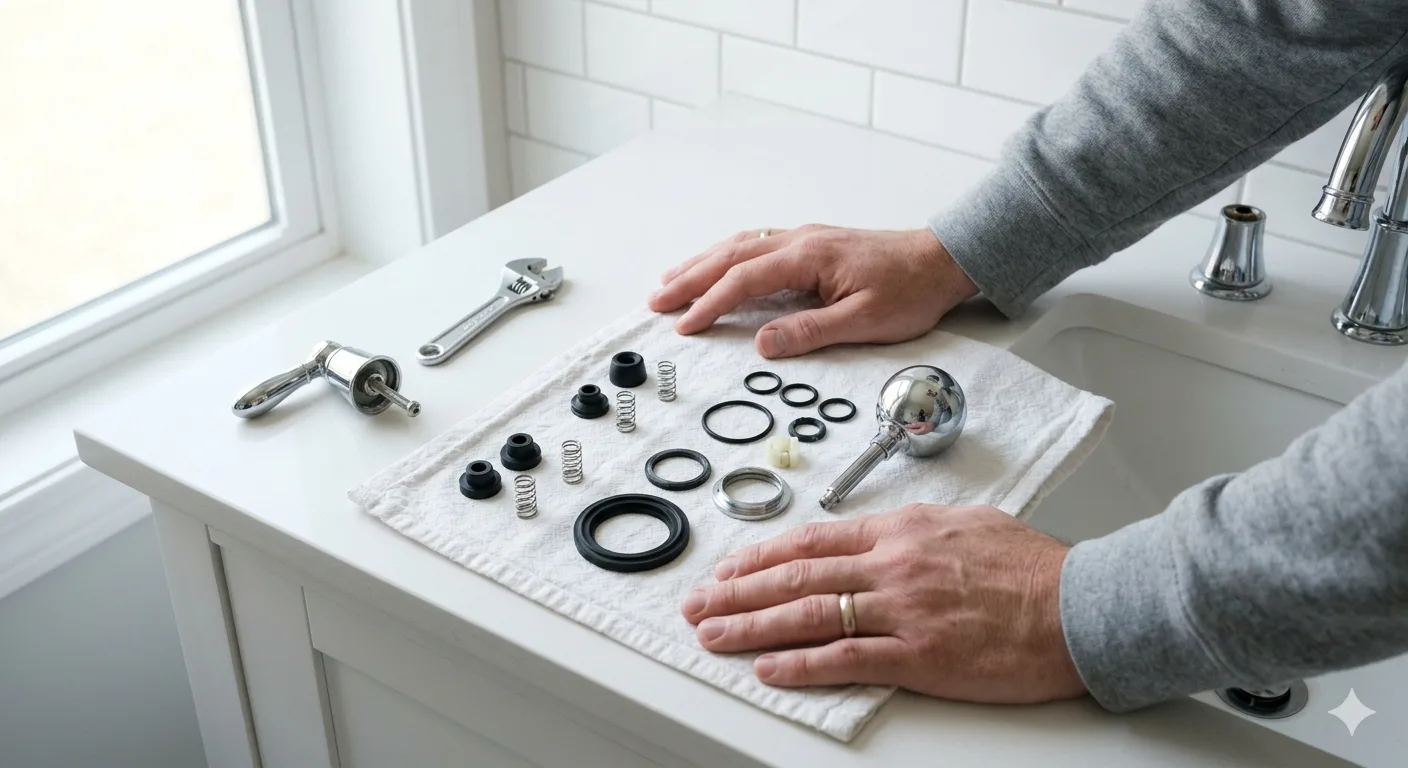
A leak at the base of a touch faucet has nothing to do with the sensor system. The O-rings and deck gaskets that seal the faucet body to the sink wear out over time, exactly as they do in standard faucets. What makes this more urgent is that water migrating under the base can reach the control box and wiring, turning a simple gasket job into an electronics repair.
Deck gasket replacement costs 80 to 200 dollars depending on the brand, because disassembly is more involved than on a conventional fixture. The wiring and sensor components need careful management throughout. Attempting it without experience in both plumbing and low-voltage electronics creates bigger problems than you started with. Catch a base leak early and you keep it a plumbing repair. Ignore it and you risk a full replacement.
How Do You Choose the Right Plumber for Your Touch Kitchen Faucet Repair?
Not every plumber works on sensor faucets regularly, and it is worth saying that plainly. The plumbing side is standard, but the electronics require familiarity with low-voltage wiring, solenoid valves, and sensor calibration. When you call, ask specifically whether they have experience with touch or sensor faucets and name the brand. Moen, Delta, and Kohler all have proprietary sensor systems with their own quirks.
ASPE recommends requesting a licensed plumber for any fixture repair involving integrated electronics, because improper reassembly can void a manufacturer warranty that may still be active. Many touch faucets carry limited lifetime warranties on the sensor system. A licensed plumber can document the repair to support a warranty claim. Find qualified help at PlumberLocator.us.
Frequently Asked Questions About Touch Kitchen Faucet
**Why does my touch kitchen faucet turn on by itself?**Phantom activation is almost always a grounding issue or a failing sensor wire. It can also be triggered by other appliances on the same circuit interfering with the low-voltage sensor signal. A licensed plumber can test both causes and fix it without replacing the whole faucet.
**How long does a touch kitchen faucet last?**Most quality touch faucets from brands like Moen, Delta, and Kohler last 10 to 15 years. The sensor and solenoid components typically need servicing somewhere between 5 and 8 years, especially in homes with hard water. Regular battery changes and keeping the area under the sink dry will extend that lifespan.
**Can I convert my touch kitchen faucet to a standard faucet?**In most cases, no. The faucet body is built around the sensor technology, and the handle and valve mechanism are integrated with the solenoid. If the electronics are beyond repair, a full replacement is more practical than any conversion attempt.
**Is it safe to use a touch kitchen faucet if the sensor is broken?**It depends on the failure. If the faucet runs continuously, shut off the supply valves under the sink and call a plumber promptly. A faucet that ignores touch but operates normally with the handle is safe to use short-term while you arrange a repair.
How Do You Find a Trusted Local Plumber for Touch Kitchen Faucet Repair?
Touch faucet problems are not a good DIY project. The combination of plumbing and low-voltage electronics means a wrong step can damage the sensor system, void your warranty, or leave you with a faucet that works worse than when you started. The right repair takes under two hours with a qualified plumber. Find one near you at PlumberLocator.us.
For more guidance on keeping your fixtures and water systems in good shape, visit our plumbing tips resource. Understanding how your kitchen plumbing works together helps you catch small problems before they turn costly.