You have seen it everywhere. Pour baking soda down the drain, follow it with vinegar, wait for the fizz and watch the clog disappear. It is one of the most shared plumbing tips on the internet and one of the most misleading. The vinegar and baking soda unclog method has a devoted following because it feels like it should work. The fizzing looks powerful. The problem is that fizzing and clearing a drain blockage are two completely different things, and confusing them is how a slow drain becomes a full backup.
Quick Answer: The vinegar and baking soda unclog method produces a chemical reaction that generates carbon dioxide bubbles, not the sustained pressure or mechanical force needed to break apart a real drain blockage. It may temporarily move a very loose surface buildup, but it does nothing to grease accumulations, hair clogs, soap scum packed into a P-trap or any obstruction more than a few inches into the pipe. A licensed plumber with the right tools clears the actual blockage the first time.
Why the Vinegar and Baking Soda Unclog Method Keeps Failing Homeowners
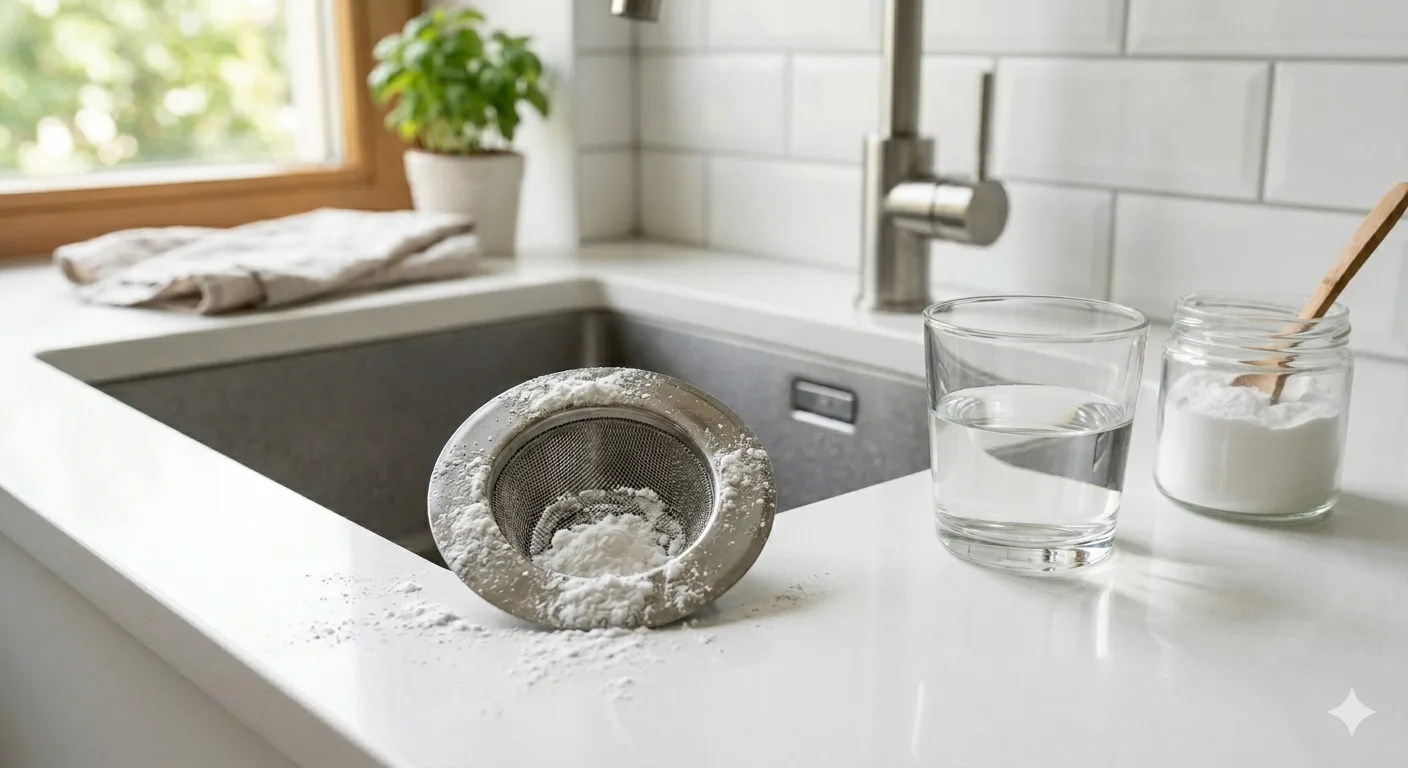
The appeal makes sense. Both ingredients are cheap and already in most kitchens. Baking soda is sodium bicarbonate. Vinegar is dilute acetic acid. When they meet, the acid and base neutralise each other and release carbon dioxide gas. That is the fizz. It is not pressure and it is not a cleaning agent. The reaction produces water, sodium acetate and bubbles, none of which have any mechanical effect on a packed drain blockage.
The vinegar and baking soda unclog approach gets repeated because it occasionally appears to work. What actually happens is that the turbulence dislodges a very loose, very shallow surface clog that would have moved with hot water anyway. Anything deeper or further into the pipe stays exactly where it was.
5 Critical Failures of the Vinegar and Baking Soda Unclog Approach
It cannot break apart grease and fat buildup in drain lines.
Kitchen drain blockages are almost always grease based. Cooking fat and soap scum accumulate on drain pipe walls over months, narrowing the passage until flow slows to a trickle. Grease does not respond to a vinegar and baking soda unclog attempt because the reaction produces no solvent, no heat and no sustained force. A hydrojetting service at 2,000 to 4,000 PSI is what actually removes hardened grease from pipe walls.
It does nothing to hair clogs packed into a P-trap.
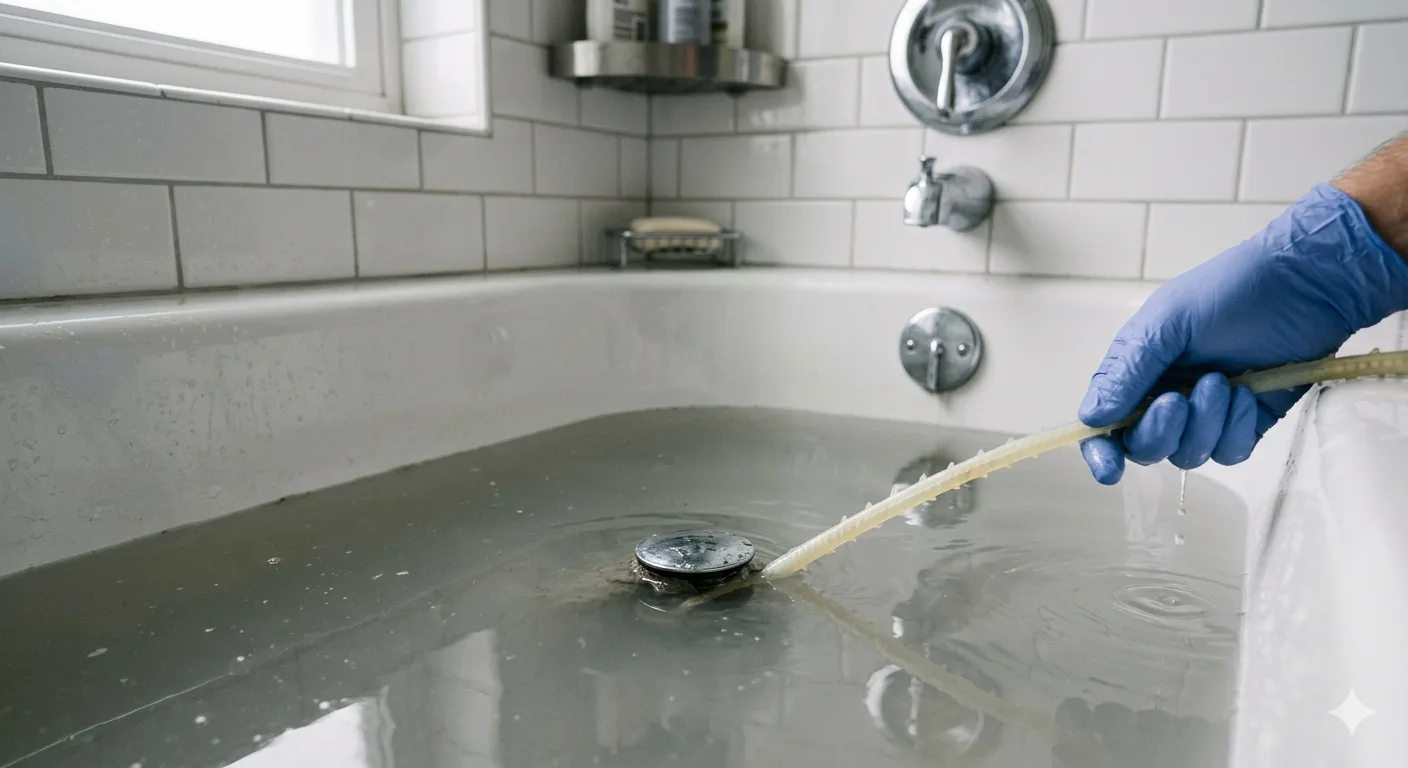
Bathroom sink and shower drain clogs are almost always hair combined with soap scum, compressed into a dense mat in or just past the P-trap. A vinegar and baking soda unclog attempt pours liquid on top of that mat, the bubbles dissipate and the mat stays in place. A drain snake or direct P-trap removal extracts the blockage in minutes. The EPA notes that slow-draining fixtures are a leading cause of household water waste, and clearing them correctly prevents the ongoing loss that comes with a drain that never fully opens.
It can make chemical drain cleaner situations worse.
Many homeowners try vinegar and baking soda unclog methods after a chemical drain cleaner has already failed. That is a dangerous combination. Chemical drain cleaners are highly caustic, typically lye or sulphuric acid based. Adding vinegar to a pipe containing lye produces a violent exothermic reaction that can surge caustic liquid back up out of the drain and cause chemical burns. If a chemical cleaner has been used, the pipe needs to be cleared by a professional.
Repeated attempts delay the professional fix and let the clog worsen.
Most homeowners who try a vinegar and baking soda unclog method try it two or three times over several days while the drain continues to slow. During that time, the blockage is compressed by the water load it partially holds back. A partial clog a plumber could have snaked in 20 minutes becomes a full blockage requiring more aggressive intervention. The PHCC advises that slow drain issues addressed early are resolved faster and at lower cost than those left to develop into complete backups.
It can damage older pipes with repeated acidic exposure.
Vinegar is a weak acid, but repeated exposure is not ideal for older metal drain pipes, particularly galvanised steel common in homes built before 1970. Galvanised pipes already corrode from the inside as the zinc coating wears away over decades. Adding an acidic solution repeatedly accelerates that corrosion on already thinning walls. A home treated with regular vinegar and baking soda unclog attempts may be approaching a pipe failure faster than it would naturally.
What Actually Clears a Blocked Drain
A licensed plumber arrives with the right tool for the specific blockage. For a hair clog in a P-trap, that is a hand snake or direct removal. For a grease packed kitchen drain, that is a power auger or hydrojetting. For a main line blockage, it is a camera inspection first to confirm the cause before any clearing method is applied.
After clearing, a professional confirms the drain flows at full capacity, checks surrounding connections and advises on the root cause. That process takes 30 minutes to two hours. Find a licensed plumber through our find a plumber directory.
Frequently Asked Questions About Vinegar and Baking Soda Unclog
Does the vinegar and baking soda unclog method ever actually work?
It can dislodge a very shallow, very loose surface accumulation that is barely holding together. In those cases the same outcome would have occurred with a kettle of hot water. For any blockage with real density or depth, the vinegar and baking soda unclog approach does not produce the pressure or mechanical action needed to clear it.
Is baking soda and vinegar safe to pour down drains regularly?
In newer PVC pipes the reaction is harmless. In older galvanised or cast iron pipes, repeated acidic exposure contributes to internal corrosion over time. The more significant risk is combining vinegar with a drain that already contains a chemical cleaner. If any caustic product has been used, adding vinegar creates a hazardous reaction that can force caustic liquid back up through the drain opening.
What should I try before calling a plumber for a slow drain?
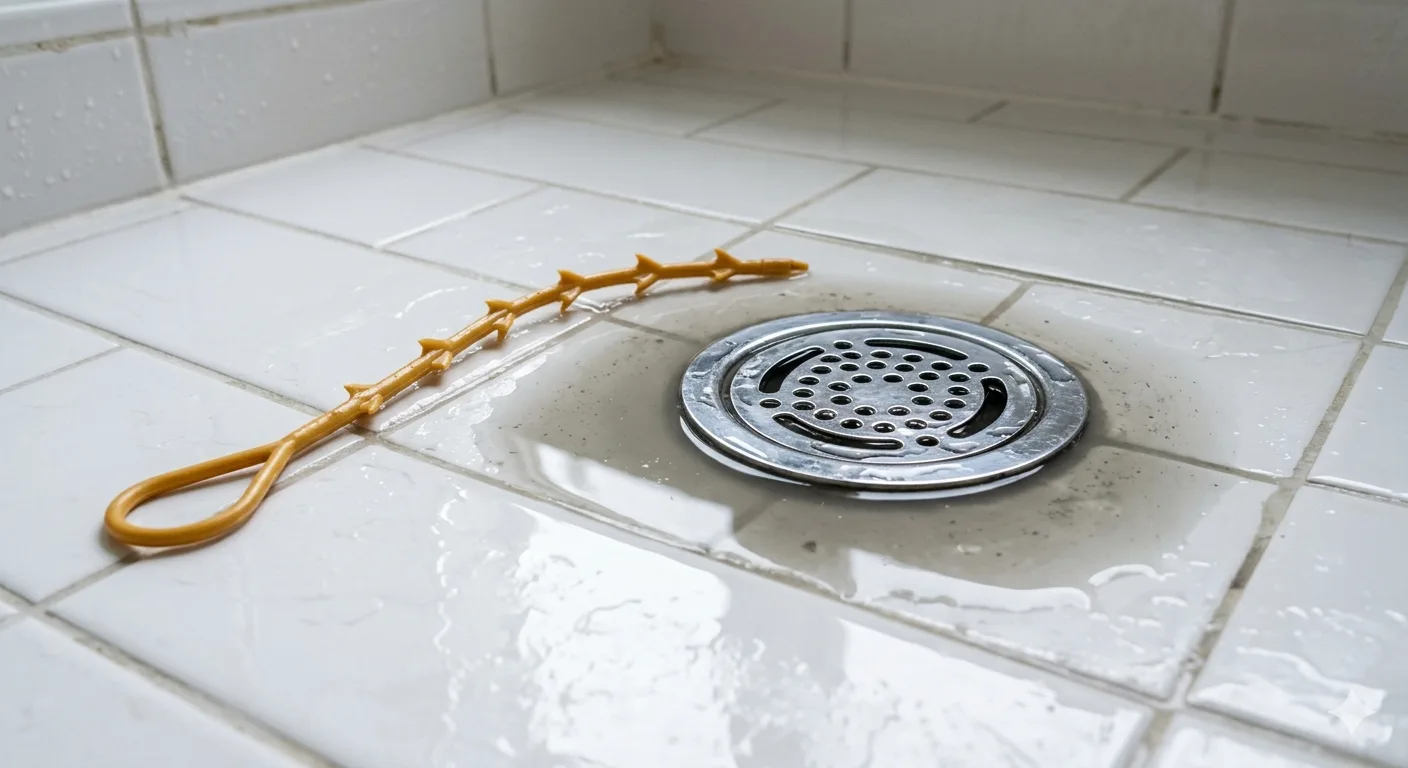
For a bathroom drain, remove the stopper and manually pull out any hair visible at the top of the drain. For a kitchen drain, run very hot water for two to three minutes to soften fresh grease. A basic drain snake handles most hair clogs within the first foot of pipe. If none of those work, the blockage is deeper than a home fix can reach and a licensed plumber is the right call.
How much does a professional drain clearing cost compared to DIY methods?
A professional drain snaking runs $100 to $250 for most residential jobs. Hydrojetting a main line runs $300 to $600. The baking soda and vinegar approach costs almost nothing upfront but delays a fix that grows more expensive the longer it sits. A blockage cleared in one professional visit at $150 costs less than three failed home attempts followed by an emergency call when the drain backs up completely.
Find a Trusted Local Plumber for Vinegar and Baking Soda Unclog Issues Today
If your drain is slow or blocked, the vinegar and baking soda unclog method is not going to solve it. The right fix depends on what is causing the blockage, where it sits and what the pipe is made of. Those are questions a licensed plumber answers with a snake, a camera or proper drain tools.
Use our find a plumber directory to connect with a licensed local plumber who can clear the blockage correctly the first time. For more guidance on what actually works for common drain problems, browse our plumbing tips section.