Quick Answer: Water from pipes becomes a serious problem when it changes color, carries an odor, loses pressure, or shows up where it shouldn't. The EPA estimates that household leaks waste nearly 1 trillion gallons of water across the US every year, and many start with signs homeowners dismiss as minor. A licensed plumber can diagnose the root cause before one small symptom becomes a five-figure repair bill.
Most people feel relief when the plumber finishes and the taps run clear. Then six months later, something shifts. The water from your kitchen faucet looks faintly yellow one morning. A smell drifts up from the bathroom sink. You run the tap longer and it clears, so you tell yourself it's fine. That is the exact moment the damage quietly begins. Water from pipes rarely fails all at once. It fails slowly, in ways easy to rationalize, until the wall comes open.
5 Critical Warning Signs Your Water From Pipes Is Failing
These five signs each point to a different failure inside your plumbing system, and each one gets more expensive the longer it sits. Catching even one early can save you thousands.
The water runs brown, orange, or yellow.
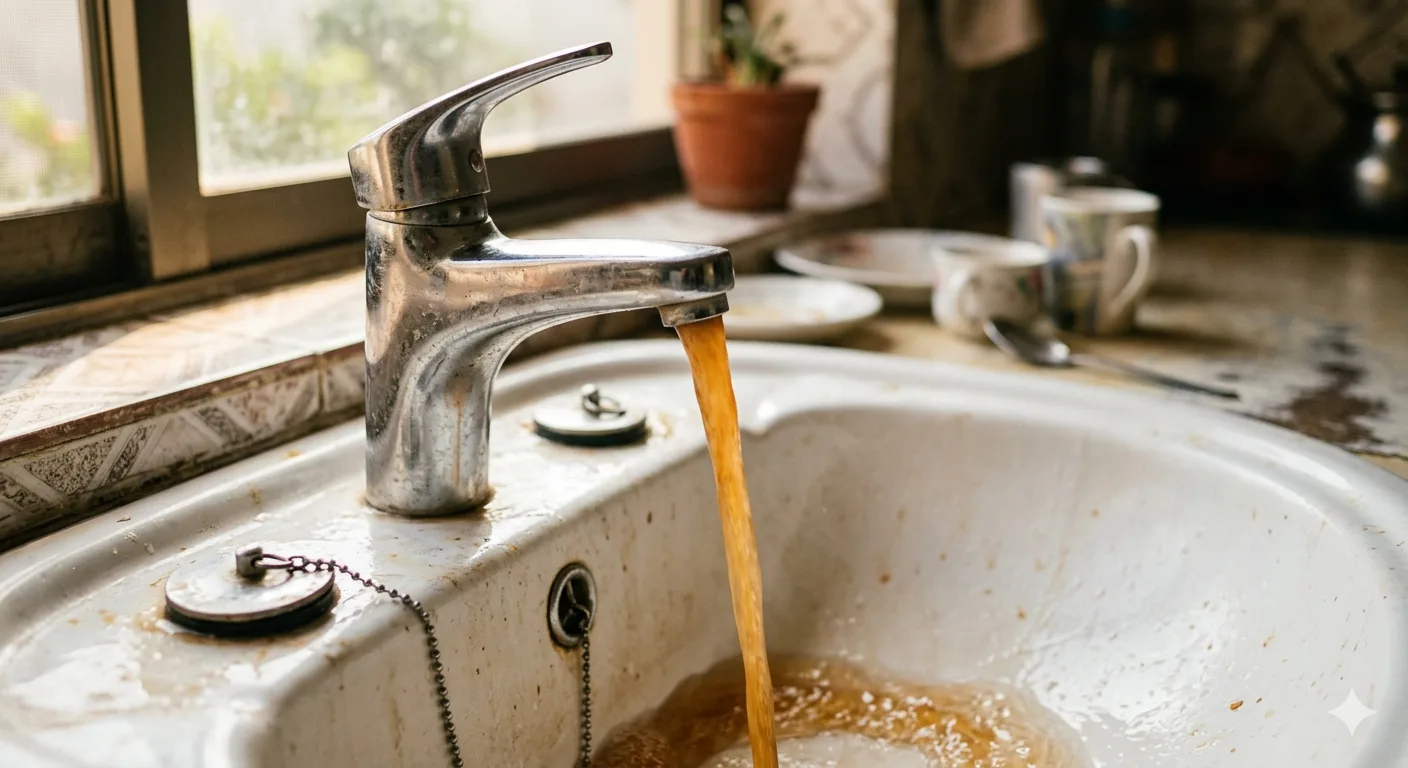
Discolored water from pipes is almost always a rust signal. In older homes with galvanized steel supply lines, the pipe interior corrodes over decades, shedding iron oxide into the water stream. The PHCC notes that galvanized pipes have a functional lifespan of 40 to 70 years, so homes built before 1980 may already be past that window. Running the tap for two minutes and watching the color clear does not mean the pipe is fine. It means the loosened rust flushed out for now, and more is forming right behind it. Persistent discoloration needs a camera inspection and likely a repiping estimate.
The pressure drops for no obvious reason.
Good water pressure from pipes typically sits between 40 and 60 PSI in a residential home. When that drops noticeably across multiple fixtures, something has restricted the flow. Mineral buildup scaling older pipes, a partial blockage, or a hidden leak letting water escape before it reaches your faucet are the three most common culprits. A sudden drop in a single fixture is different from a gradual drop across the whole house, and distinguishing the two tells a plumber exactly where to look.
Water From Pipes That Smells Wrong Is a Red Flag You Cannot Afford to Miss
A smell from your taps is not a quirk. It is your plumbing system telling you something has broken down chemically or bacterially, and neither improves without intervention.
The water smells like rotten eggs.
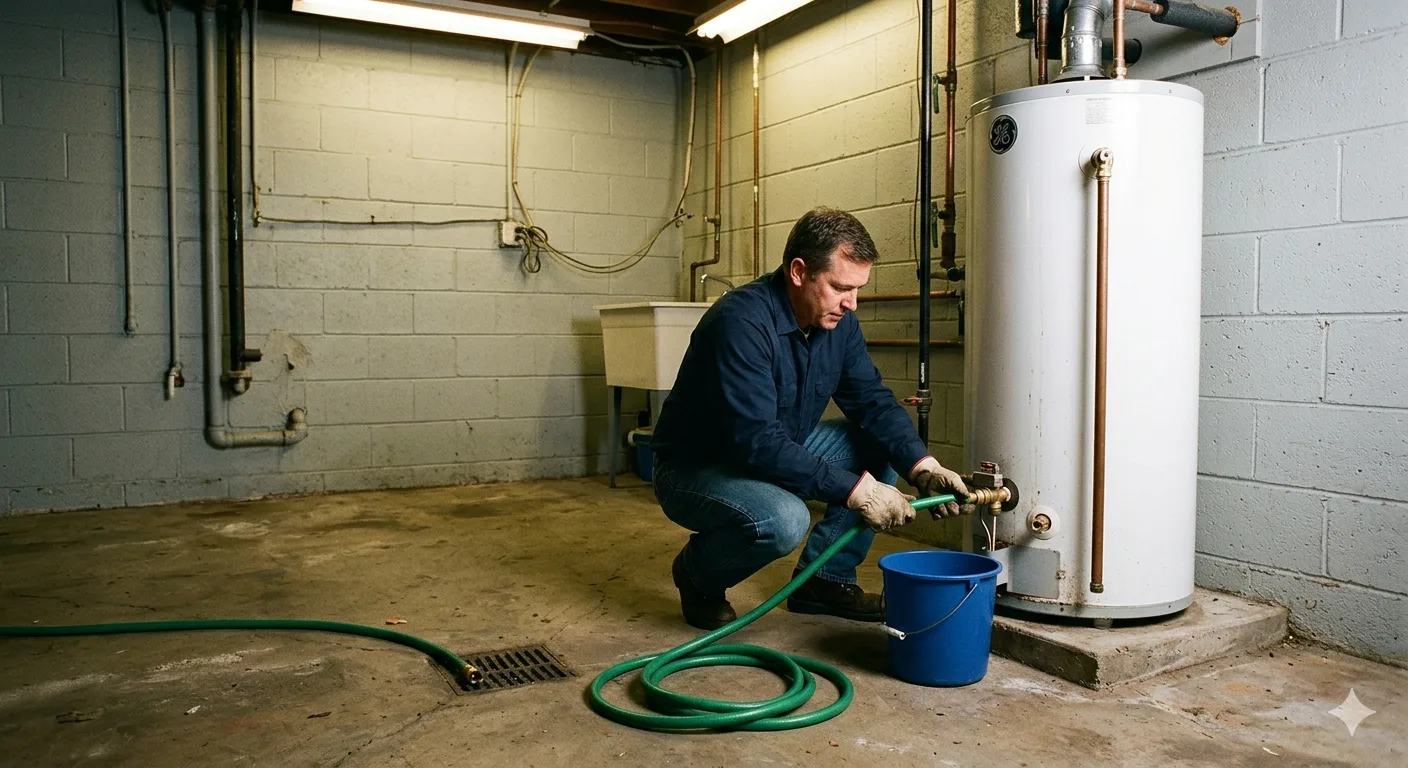
A sulfur smell in water from pipes usually traces back to one of two sources. The first is hydrogen sulfide gas in the groundwater, common in well-supplied homes and certain municipal systems. The second, and more urgent, is sulfate-reducing bacteria growing inside a water heater whose anode rod has corroded through. The CDC recommends inspecting water heaters regularly, and a depleted anode rod leaves the tank interior exposed to bacterial colonization. A plumber needs to drain the heater, inspect the rod, and assess whether the tank is compromised.
The water has a sharp chemical smell.
Municipal water is treated with chlorine, and some residual odor is normal. What is not normal is a sharp chemical smell that intensifies when water sits in a glass, or that comes out strong from a single fixture. This can point to corroding fittings leaching into the water stream, a backflow issue, or a failing solder joint. The EPA is clear that unusual chemical odors in tap water warrant testing. A plumber can isolate the affected section and determine whether the issue is in the supply or the pipe.
Critical Water From Pipes Pressure Changes That Signal a Hidden Leak
Leaks do not always announce themselves with a ceiling drip or a puddle under the sink. The quiet ones hide inside walls and beneath slabs, and the only clue they give you for months is a change in how your water behaves at the tap.
The pressure surges rather than running steady.
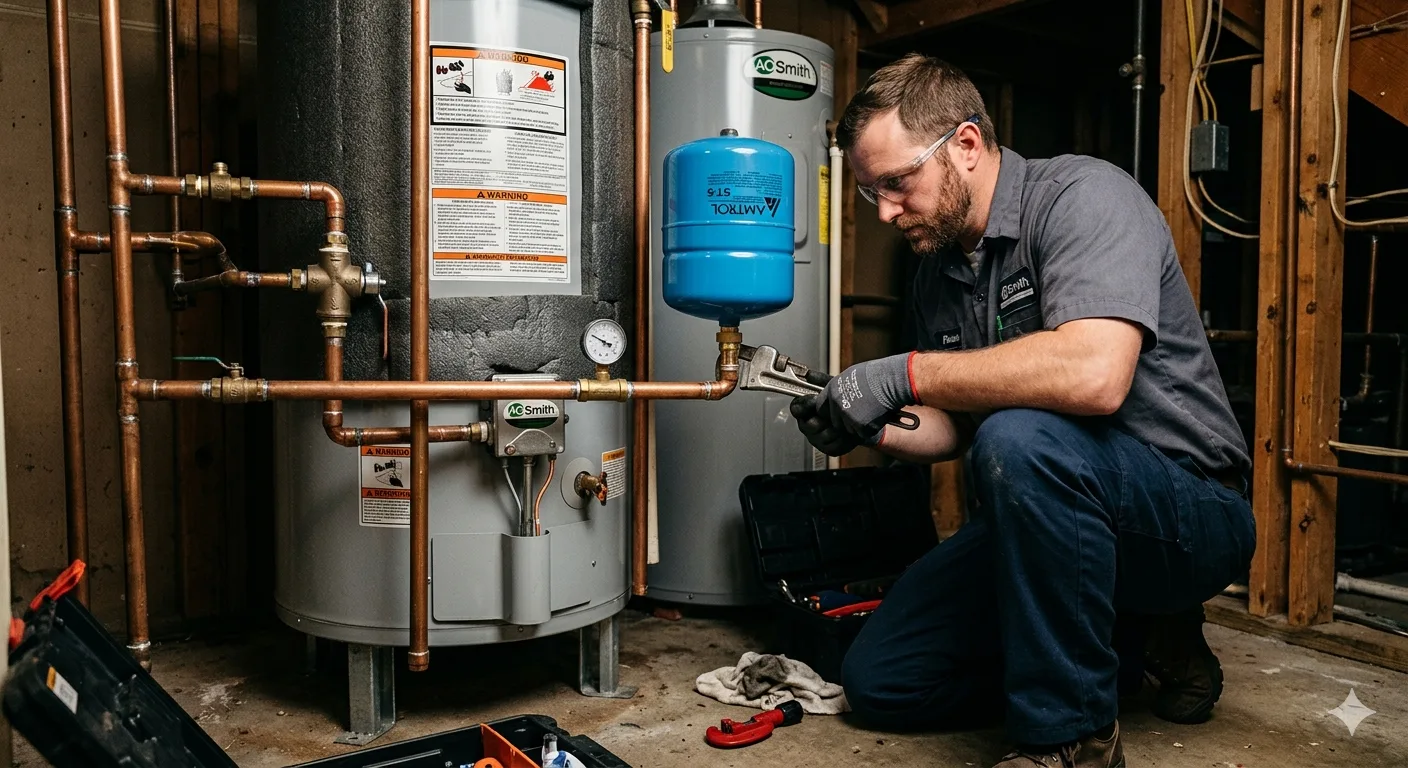
Inconsistent pressure, where flow pulses while a tap is open, often points to a failing pressure regulator valve. This valve controls the pressure the entire system sees. The ASPE defines standard residential supply design around a stable 50 PSI target, and anything inconsistent around that number means the regulator is no longer doing its job. Ignoring this stresses every joint and fitting in your home and accelerates wear on water-connected appliances.
Water From Pipes Showing Up in the Wrong Places Is an Emergency
Water appearing around fixture bases, under cabinets, or along walls.
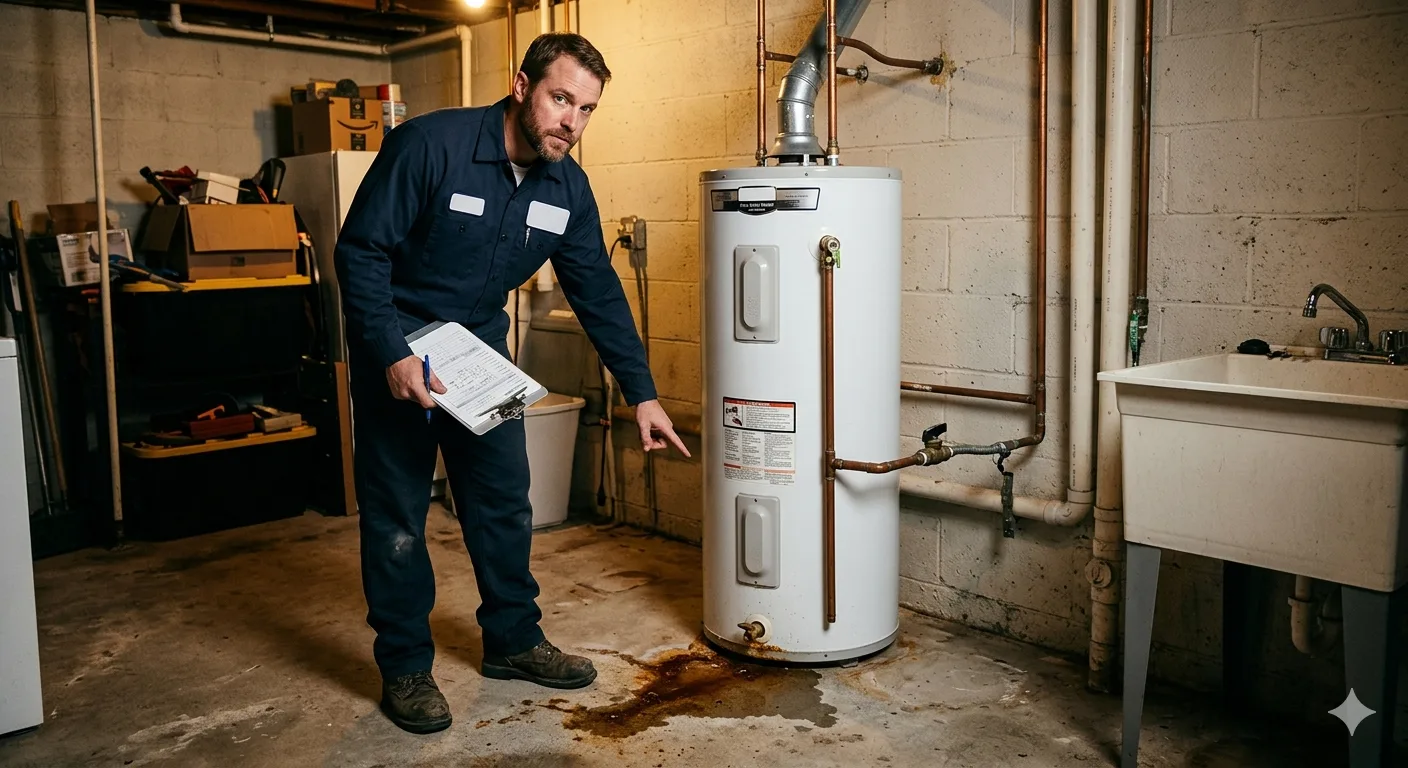
This is the warning sign people most dismiss as condensation or a splash that will dry out. It won't. Water from pipes that escapes the system soaks into wood, drywall, and insulation, and within 24 to 48 hours a moist environment is already cultivating mold. The structural damage and mold remediation bill is what takes months and tens of thousands of dollars to resolve. A plumber who finds this early might fix a single joint for a few hundred dollars. A plumber called in after six months of slow seeping is the last person through the door before the contractor arrives.
Frequently Asked Questions About Water From Pipes
Why does my water from pipes look cloudy right out of the tap?
Cloudy water that clears from the bottom of a glass upward is almost always dissolved air, caused by high pressure and generally harmless. Cloudy water that stays opaque or clears top-down can indicate particulates or a failing filtration point and should be evaluated by a licensed plumber.
How do I tell if the smell is from my heater or the supply line?
Run cold water from a tap far from the water heater. If the smell is absent in cold water and only appears when you run hot, the heater is the source. If cold water smells too, the issue is in the supply line, and a plumber needs to test it directly.
Is low water pressure from pipes always a plumbing problem?
Not always. Low pressure can be a municipal issue affecting your whole street, so check with neighbors first. If the drop is isolated to your home, especially in one area, it almost certainly requires a licensed plumber to assess in person.
Can I fix discolored water from pipes by cleaning the faucet aerator?
You can clean or replace the aerator, and if that clears the discoloration permanently, sediment in the screen was the problem. If the color returns within a few days or appears at every fixture, the problem is inside the pipe itself, and no aerator fix will reach it.
Find a Trusted Local Plumber for Water From Pipes Today
When the water from pipes in your home starts acting differently, every day you wait is a day the problem grows. Whether it's a pressure drop, a strange smell, or water appearing where it has no business being, these are not problems that resolve themselves. They get buried in your walls until the repair cost makes you wish you'd called on day one. Visit our plumber directory and get connected with a licensed local plumber who can diagnose the issue before it becomes a disaster.
Not sure what you're dealing with? Start at our plumbing tips guide for guidance on what to look for and how to describe the problem when you call. The faster a plumber understands your situation, the faster they can fix it.