You turn on the kitchen faucet and get a trickle. You check the bathroom. Same thing. The pressure dropped overnight for no reason you can explain. Most people call the utility company first, report a problem, and wait. Then the utility company checks their side and tells you the problem is yours. That is when the reality of a water line blockage sets in. It is not outside. It is in your yard, under your foundation, or deep in your walls, and it is your repair bill.
Quick Answer: A water line blockage is an obstruction inside a supply pipe that restricts or stops water flow to part or all of a home. Blockages can result from mineral scale, pipe corrosion, root intrusion, or debris, and they cause pressure drops, discoloration, and in severe cases, pipe failure. A licensed plumber with camera inspection equipment is the correct professional to locate and clear the obstruction before damage spreads.
What Causes a Water Line Blockage in a Residential Home
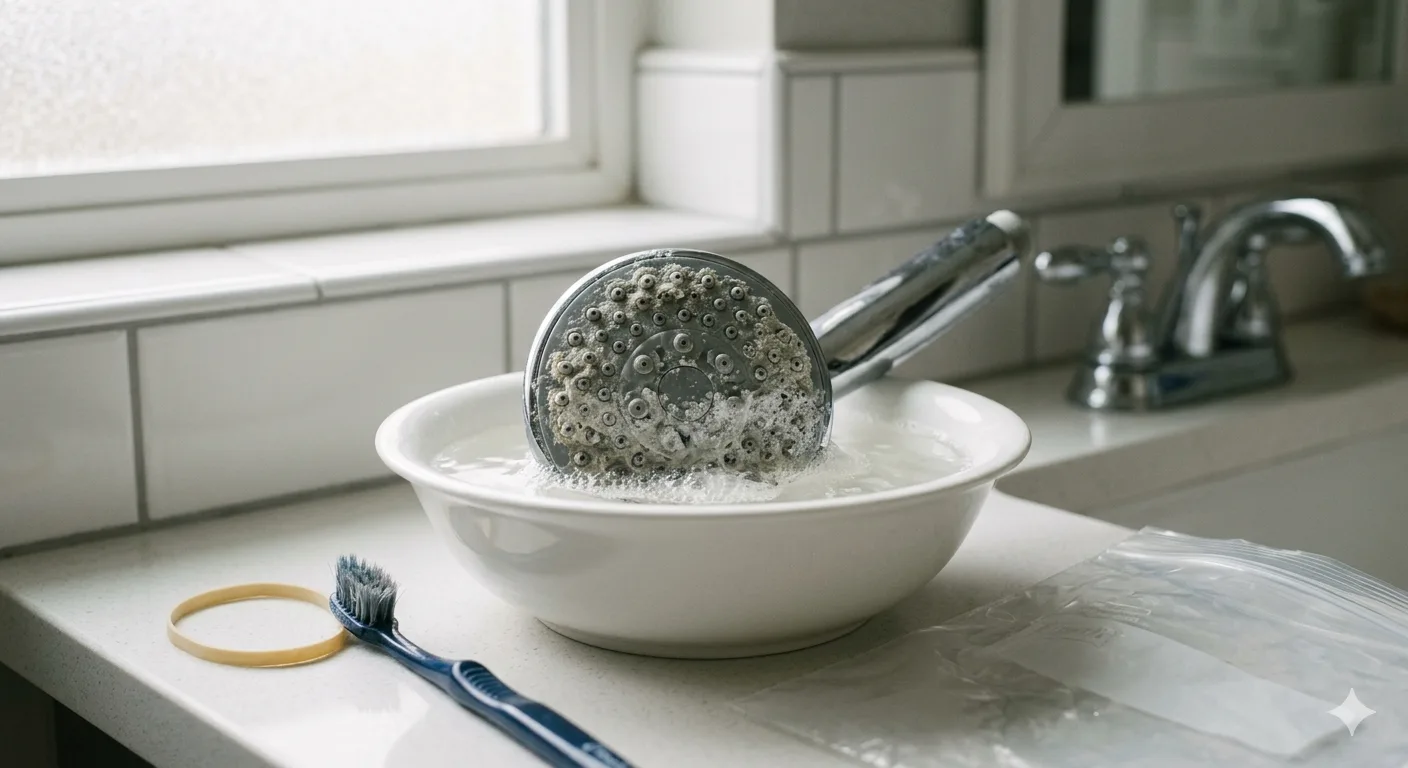
Not every blockage is the same, and the cause determines how it gets fixed. In homes with older galvanized steel pipes, the most common culprit is iron rust and mineral scale that builds up along the interior walls of the pipe over decades. The passage for water gets narrower each year until pressure drops noticeably. In copper and PVC systems, the more likely causes are sediment from the municipal supply, debris that enters through a crack, or tree roots that have worked their way into an underground section of line.
Hard water speeds everything up. The EPA reports that over 85 percent of US homes have hard water, and those dissolved minerals deposit inside supply lines continuously. A pipe that looks fine from the outside can be more than half blocked internally. You would never know until the pressure tells you.
5 Essential Water Line Blockage Facts Every Homeowner Needs
Low water pressure throughout the house is the clearest early sign of a main line blockage.
When pressure drops at a single fixture, the problem is usually local to that fixture or its shutoff valve. When pressure drops everywhere at once, the blockage is upstream, either in the main water line coming into the house or in a primary branch serving multiple areas. According to PHCC, a sudden and uniform pressure reduction is one of the top reasons homeowners call a plumber, and in most cases a camera inspection confirms a partial or full obstruction in the supply line within the first visit.
Discolored water points to pipe corrosion that is actively blocking flow.
Brown or rust-colored water from a cold tap is not a water quality problem from the street. It is corrosion from inside your own pipes shedding into the stream. That same corrosion is coating the interior of the line and narrowing it. The CDC notes that corroded plumbing is a leading source of elevated metals in residential drinking water. If you are seeing discoloration alongside low pressure, the pipe is not just blocked. It is deteriorating, and replacement rather than clearing may be the better long-term answer.
Tree roots are the most destructive cause of water line blockage in underground supply lines.
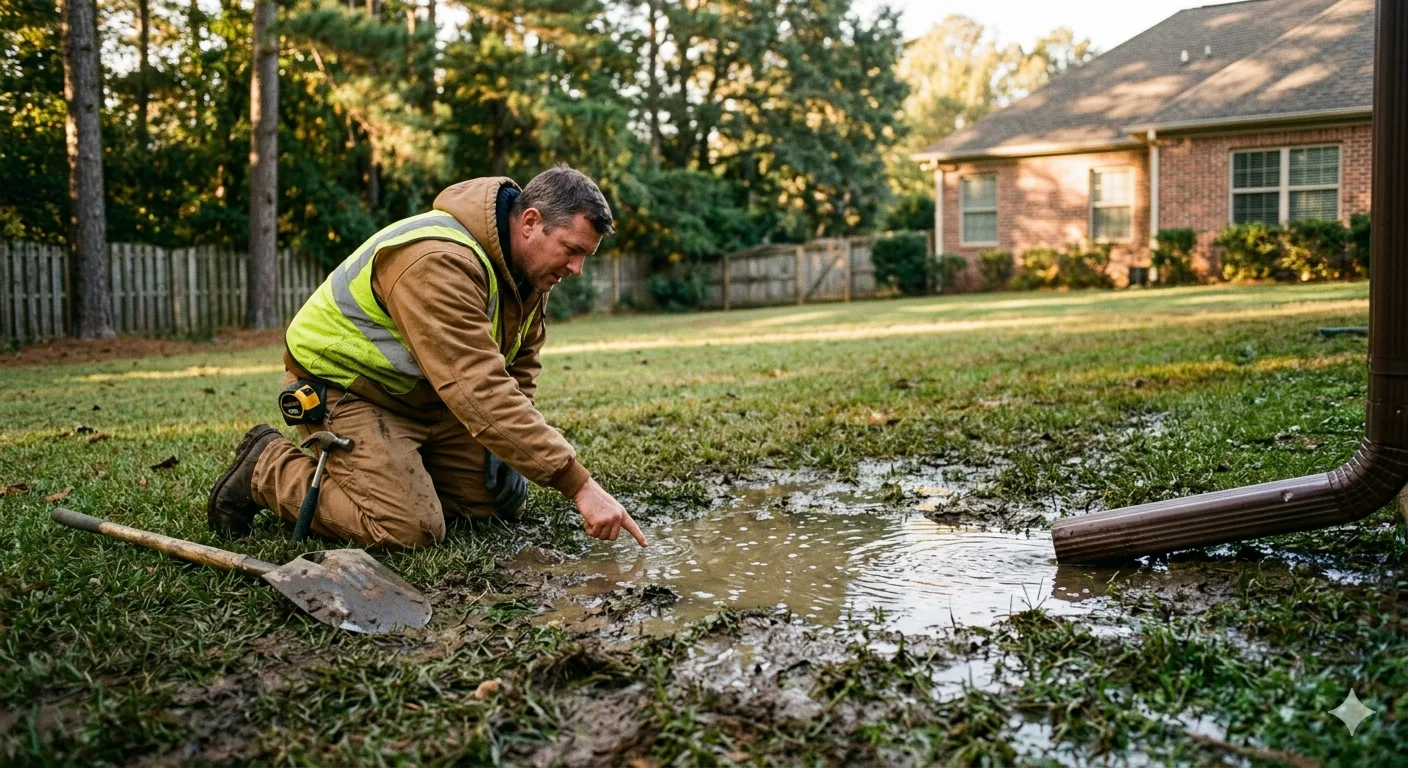
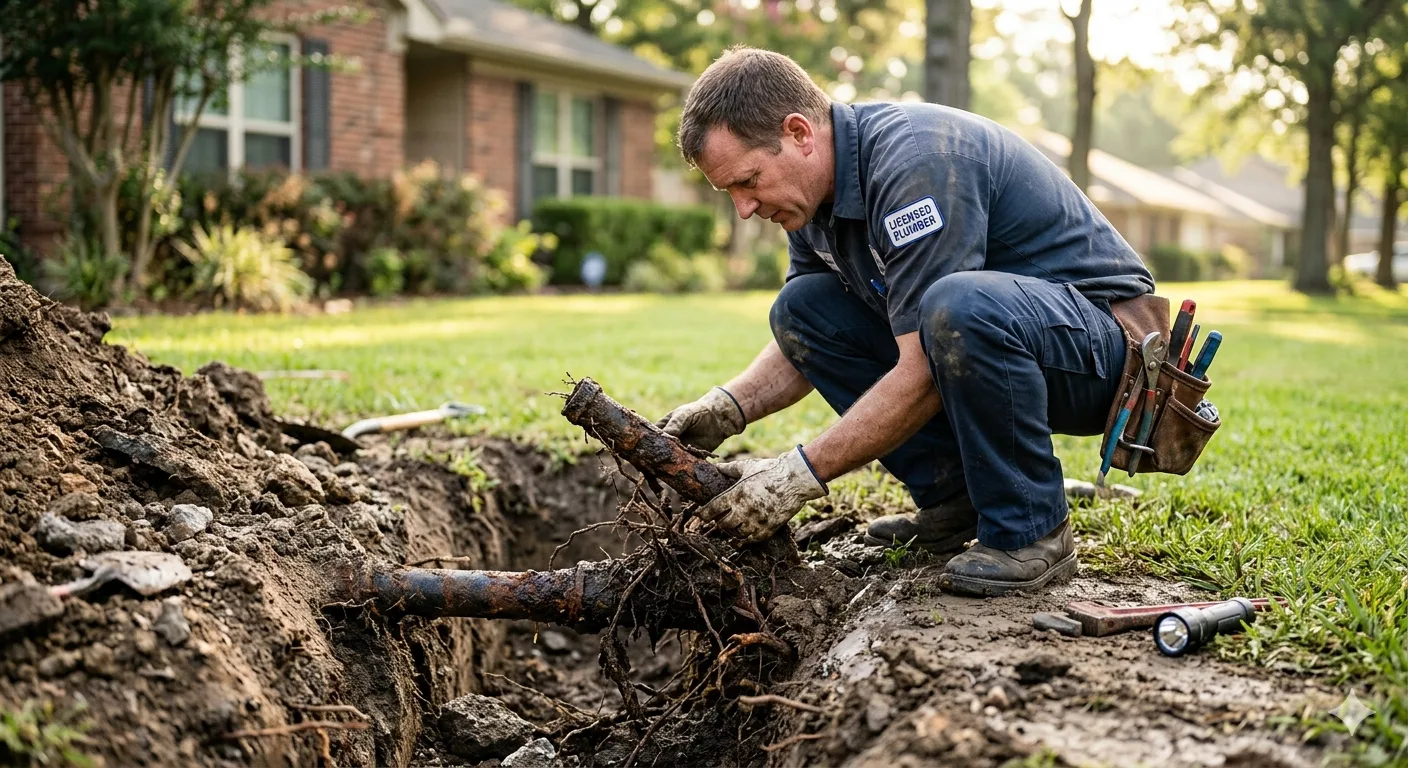
Roots follow moisture. A small crack in an underground supply line, even a hairline fracture from soil movement or freeze-thaw cycles, releases enough moisture to attract root systems from trees and shrubs many feet away. Once a root tip enters a pipe, it expands with the tree and can fill the line completely within a few seasons. The EPA estimates that root intrusion is responsible for billions of dollars in residential plumbing damage annually. Unlike scale or sediment, roots cannot be flushed out. They require mechanical cutting followed by pipe lining or full replacement of the affected section.
A partial blockage wastes more water than most homeowners realize.
A blocked line does not stop water. It restricts it. That restriction forces your water heater, appliances, and fixtures to work harder and longer to deliver the same result. Dishwashers run longer cycles. Washing machines take more time to fill. Showers feel weak and take longer to rinse. That inefficiency adds up on your monthly water bill, often long before the pressure drop is noticeable enough to trigger a service call. If your bill has crept up without any change in usage habits, a partial blockage in the supply line is worth investigating.
Waiting on a water line blockage turns a $500 repair into a $5,000 one.
A blockage that gets caught early, while the pipe still has meaningful flow and no secondary damage has occurred, is typically addressed with hydro-jetting or mechanical snaking at a cost between $200 and $600. Once the pressure drop causes a pipe to crack, or the blockage traps stagnant water that accelerates corrosion, the repair scope changes entirely. Emergency excavation to replace an underground supply line runs $3,000 to $7,000 or more depending on depth and location. The blockage did not cause the bill. Ignoring the blockage did.
Frequently Asked Questions About Water Line Blockage
Can I clear a water line blockage myself?
For minor clogs at individual fixtures, yes. But a main supply line blockage is a different situation. The pipe is under pressure, the obstruction is usually deep, and the tools required including camera equipment and hydro-jetting machines are not practical for a homeowner. Forcing a blockage without knowing its cause can crack a weakened pipe and turn a small repair into a large one.
How long does it take a plumber to clear a water line blockage?
Most blockages accessible through cleanout ports are cleared in two to four hours. If the line requires excavation because the blockage is underground and the pipe is damaged, the job typically takes one to two days. A camera inspection upfront shows the plumber exactly what they are dealing with and avoids costly surprises.
Will a water softener prevent future blockages?
A water softener addresses mineral scale from hard water, which is one common cause of supply line narrowing. It will not prevent root intrusion, corrosion from aging pipes, or debris entry from a cracked line. If your home has older galvanized steel pipes and hard water, a softener combined with a pipe inspection is a reasonable investment. If the pipes themselves are corroded, softening the water will slow the process but not stop it.
Is a water line blockage covered by homeowners insurance?
Generally, sudden and accidental pipe damage is covered. Blockages that develop gradually from mineral buildup, corrosion, or root intrusion are usually considered maintenance issues and excluded. Check your policy's language around gradual damage before assuming coverage. Some policies cover the cost of locating the source of water damage even if they do not cover the pipe repair itself.
Find a Trusted Local Plumber for Water Line Blockage Today
A pressure drop is your pipe's way of telling you something is wrong. Do not wait for the trickle to become a full stop or for a crack to turn a blockage into a flood. Visit PlumberLocator.us to connect with a licensed local plumber who can camera-inspect your line, locate the obstruction, and give you an honest assessment of what it will take to fix it.
If you want to understand more about your home's plumbing before picking up the phone, start with our plumbing tips resource page. The more you know going in, the easier it is to ask the right questions and recognize a straight answer when you hear one.