The moment you turn on a tap and nothing comes out is one of the most disorienting home emergencies there is. If your home runs on a private well, no water means your pump has stopped working. Well pump replacement is not a small job. It involves pulling equipment from deep underground, diagnosing the actual failure point and reinstalling correctly so the system meets pressure requirements and local health codes. Most homeowners have no idea what their well pump looks like, where it is or how old it is until the day they desperately need to know all three.
Quick Answer: Well pump replacement involves removing the failed pump from the well casing and installing a new submersible or jet pump. Costs range from $1,000 to $2,500 for a standard submersible replacement in a drilled well, and from $300 to $1,200 for a jet pump system depending on configuration. The age of the pump, well depth, water pressure issues and electrical problems all affect whether full replacement is needed or whether a component repair will restore the system. A licensed plumber or well pump specialist should diagnose before any work begins.
How a Well Pump System Works and Why It Fails
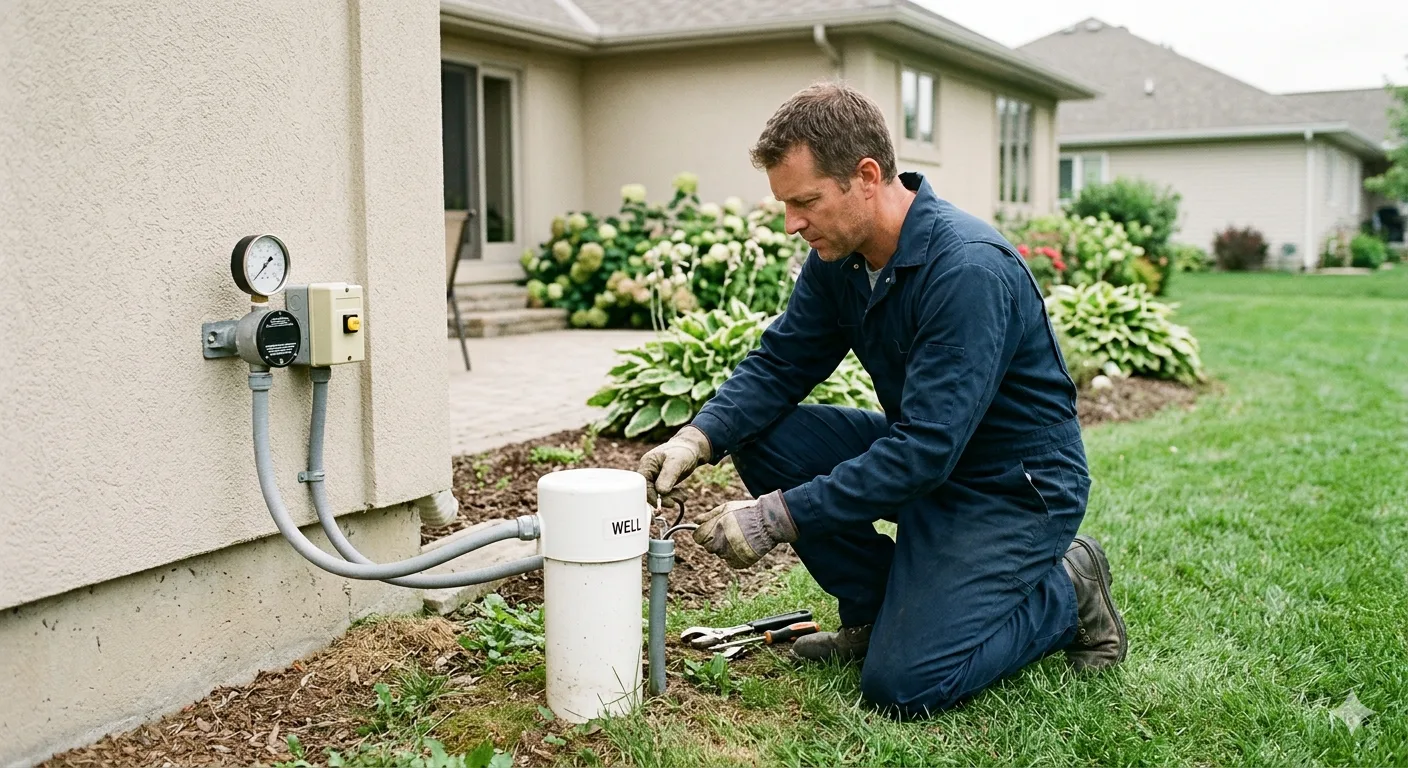
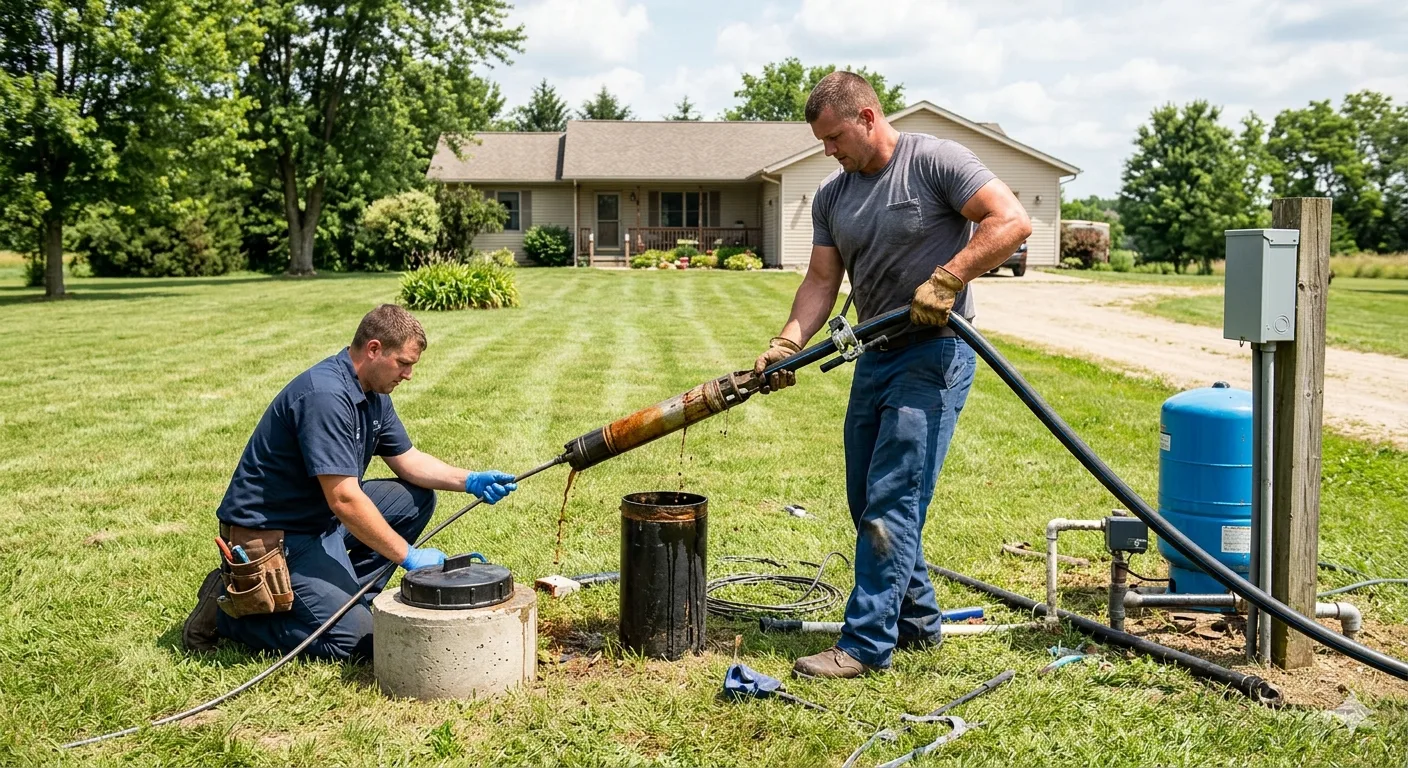
Most residential private wells use a submersible pump, a sealed motor and pump assembly submerged at the bottom of the well casing. It pushes water up through a drop pipe to a pressure tank inside the home. A jet pump sits at the surface and uses suction to draw water up from shallower wells.
Well pumps fail from age, wear, electrical faults and pressure cycling problems. A pump that runs constantly because the pressure tank has lost its air charge can burn out a motor in months. Most submersible pumps have a service life of 8 to 15 years. The EPA recommends annual water testing for private well owners, and poor water quality is a leading cause of premature pump failure.
6 Critical Signs Your Well Pump Replacement Cannot Wait
No water at any tap in the house.
When no water flows from any fixture, the pump has stopped entirely. This can mean a failed motor, a tripped breaker, a blown fuse or a broken drop pipe. A licensed plumber checks the electrical supply first. A tripped breaker costs nothing to fix. A failed motor deep in a drilled well is a different job.
Significant drop in water pressure throughout the house.
Gradual pressure loss across multiple fixtures usually points to a failing pump losing flow capacity, a waterlogged pressure tank or a partial blockage in the drop pipe. A pressure tank that has lost its air charge is a component fix at $150 to $400, not a full well pump replacement. Identifying the actual failure before pulling the pump saves significant labour cost.
The pump cycles on and off rapidly and frequently.
A pump that turns on and off every few seconds while water is running is responding to a waterlogged pressure tank. When the tank's bladder fails, the pump cycles rapidly every time water is drawn. Continued short-cycling burns out the motor and leads to a well pump replacement that a $300 pressure tank fix could have prevented.
The water has changed colour, taste or clarity.
Brown or rust-coloured water from a well that was previously clear can indicate corrosion inside the pump casing or the drop pipe. Sand or sediment in the water suggests the pump intake screen is damaged or the pump is set too close to the bottom of the well. A sudden metallic taste points to corrosion of pump components. These are not just aesthetic concerns. The CDC recommends immediate testing when well water quality changes noticeably, as contamination events can follow pump and casing failures that allow surface water intrusion.
The pump runs but the pressure tank never reaches normal pressure.
If the pump runs continuously and the pressure gauge never climbs to the normal cut-off pressure, the pump is either undersized for the current demand, worn out and losing flow capacity, or working against a restriction somewhere in the system. A well pump that runs non-stop is consuming electricity at full rated draw every moment it operates, which shows up in utility bills before a homeowner notices anything wrong with the water pressure.
The pump is more than 10 years old and has required multiple repairs.
Most submersible well pumps have a realistic service life of 8 to 15 years. A pump that has needed two or more service calls in the last two years is approaching the end of its useful life regardless of whether each individual repair seemed minor. The PHCC advises that when cumulative repair costs for a well pump exceed 50% of replacement cost, replacement is the more economical long-term choice.
What Drives the Cost of Well Pump Replacement
Well depth is the largest cost driver. A pump at 50 feet costs significantly less to pull and replace than one at 250 feet because labour multiplies with depth. Submersible pumps are more expensive than jet pumps but required for deeper wells.
The electrical supply is frequently overlooked in replacement quotes. A motor that failed due to voltage fluctuations or incorrect wiring needs the electrical cause addressed before a new pump goes in, otherwise the replacement fails for the same reason.
Frequently Asked Questions About Well Pump Replacement
How long does well pump replacement take?
A submersible pump replacement in a standard drilled well typically takes four to eight hours. Deeper wells or complicated wiring can extend that to a full day. Jet pump replacements are generally faster at two to four hours.
Can I replace a well pump myself?
Pulling a submersible pump from a deep well requires a pitless adapter tool, a safety rope and specific knowledge of the electrical connections involved. Incorrectly wired well pumps pose electrocution and fire risks. In most jurisdictions, well pump work also requires a permit and inspection. This is not a DIY job for most homeowners.
What is the average cost of well pump replacement?
A submersible pump replacement in a residential drilled well costs between $1,000 and $2,500 in most US markets, including labour, the pump and associated hardware. Shallow well jet pump replacements run $300 to $1,200. Costs increase significantly for deep wells, large-capacity pumps or when electrical work is required alongside the replacement.
How do I know if I need a new pump or just a new pressure tank?
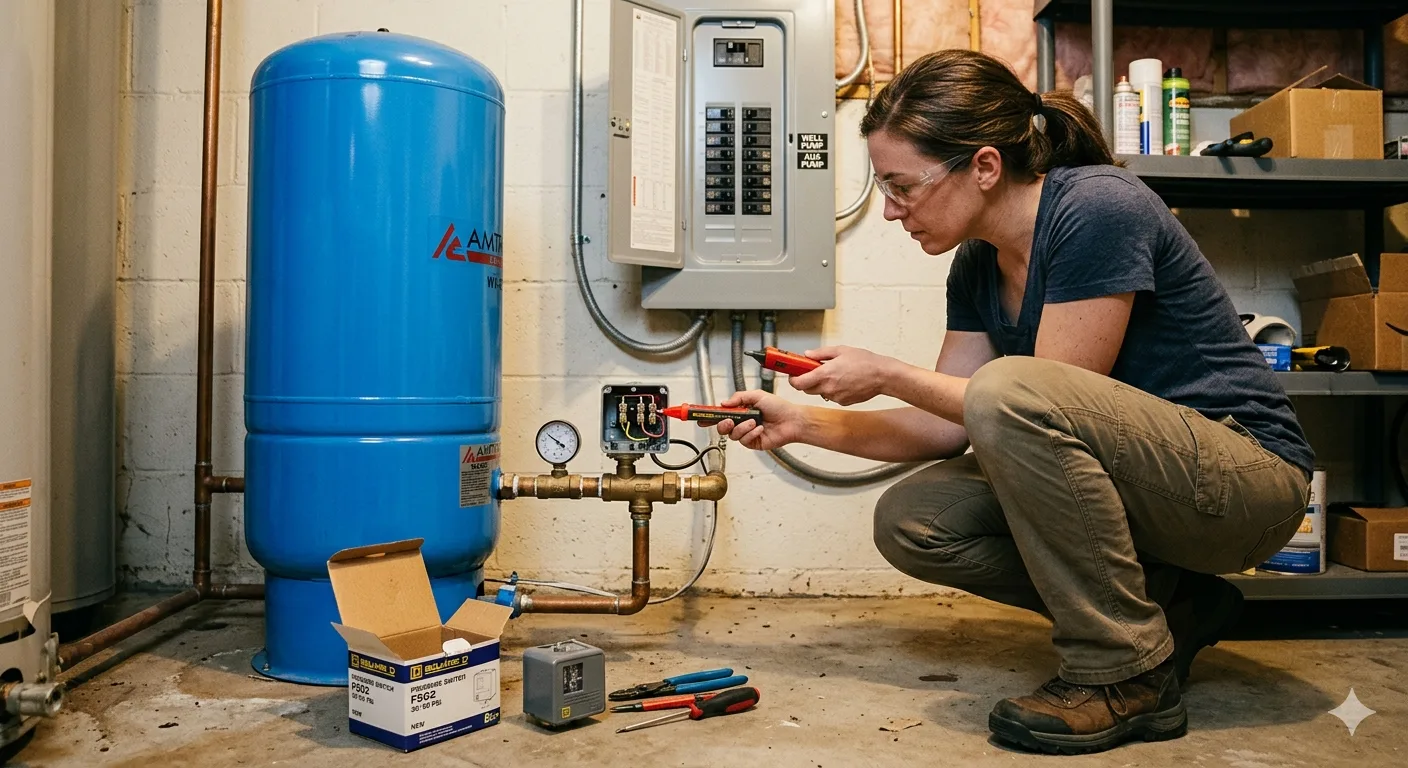
A licensed plumber can distinguish between these with a pressure gauge test and a visual inspection of the pressure tank. If the tank's bladder has failed, the pump short-cycles and the tank feels fully solid when tapped. If the pump itself is the problem, pressure doesn't build even with the tank in good condition. The diagnosis determines which component needs replacing.
Find a Trusted Local Plumber for Well Pump Replacement Today
A well pump failure is an emergency that puts your household water supply offline. The difference between a fast, correctly diagnosed repair and an expensive misdiagnosis comes down to the experience of the professional you call first.
Visit PlumberLocator.us to find a licensed local plumber in your area experienced with well pump replacement and private well systems. For more guidance on protecting your home's water supply and plumbing, browse our plumbing tips section.