Searching for well repair near me when your water has stopped means you’re already in emergency territory. Private well systems are one of the few residential utilities where the homeowner carries full responsibility for everything from the wellhead to the tap, and where problems range from a tripped breaker to a failed pump to a contaminated aquifer. Knowing what you’re dealing with before anyone arrives saves time and money.
Quick Answer: Well repair near me searches connect homeowners with licensed plumbers and well contractors who service private well systems. Common well repair issues include pump failure, pressure tank problems, electrical faults on the pump circuit, casing contamination and pressure switch failure. Not every general plumber has experience with private well systems. A licensed plumber with documented well service experience should diagnose before any components are replaced.
Why Well Repair Near Me Is Different From Standard Plumbing
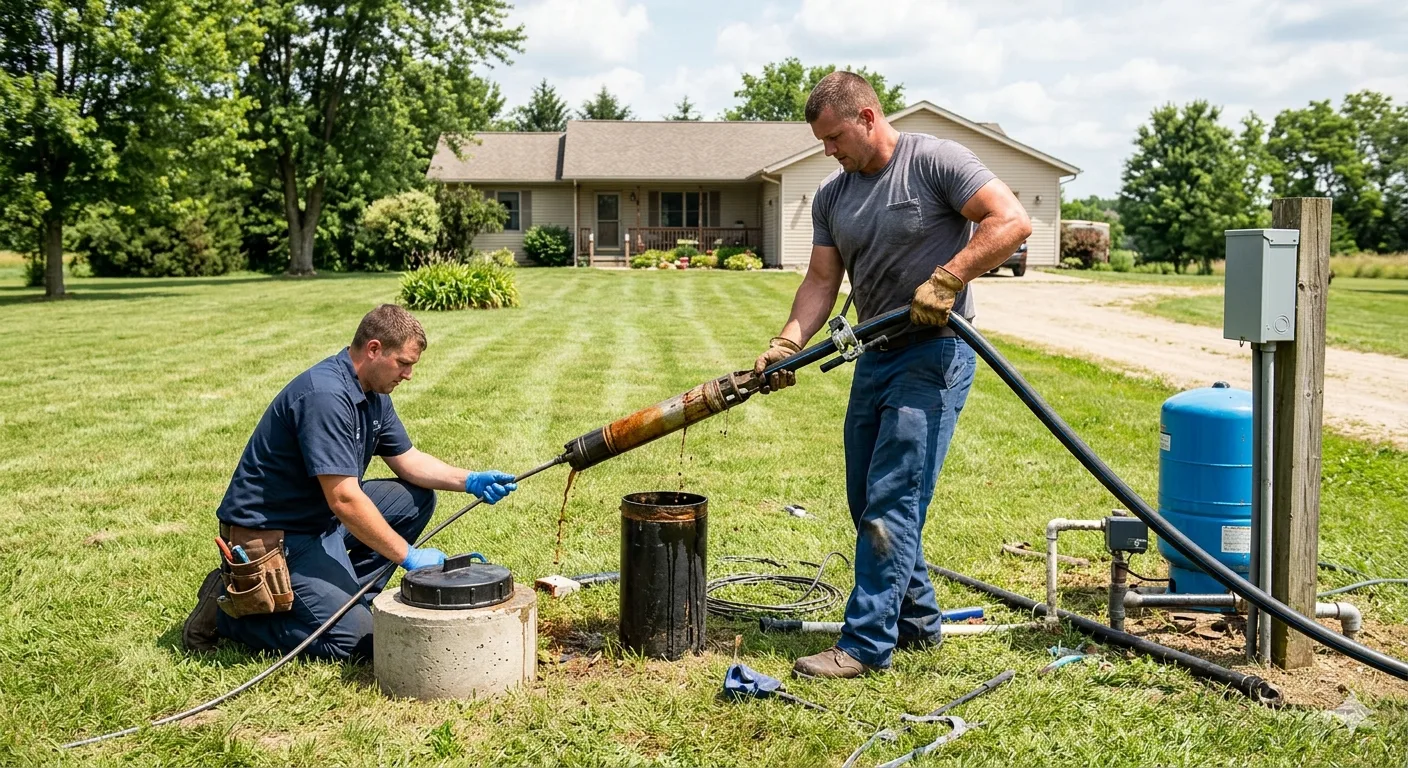
A private well system has components most residential plumbers never touch. The submersible pump sits at the bottom of a drilled casing, connected by a drop pipe and cable running 100 to 400 feet underground. The pressure tank, switch and control box at the surface translate pump output into steady household pressure. Any failure in this chain produces similar symptoms: no water, low pressure or intermittent flow.
The EPA notes that approximately 13% of US households rely on private wells and that well owners are solely responsible for system maintenance and repairs. When you search for well repair near me, you need someone who understands the full system. A plumber who replaces the pressure tank without checking the pump condition is not giving you a complete repair.
6 Trusted Facts About Well Repair Near Me You Need to Know
Not all plumbers service private well systems.
General residential plumbers work on supply lines, fixtures and water heaters. Private well systems involve submersible pump extraction, pressure system diagnostics, water quality testing and sometimes casing repair. These are specialist skills. When calling any contractor, ask directly whether they regularly service drilled wells, what depth range they work with and whether they carry the equipment to retrieve a deep submersible pump.
The symptom tells you where to look first.
No water at all points to a pump failure, a tripped breaker, a blown fuse on the pump circuit or a broken wire in the drop cable. Low pressure that builds slowly suggests a failing pump or a waterlogged pressure tank. Pressure that cycles rapidly means the pressure tank bladder has failed. Water that runs brown or smells different after a period of normal clarity suggests casing contamination or a drop in the water table. Each symptom narrows the field before any component is touched.
A tripped breaker is always worth checking before calling anyone.
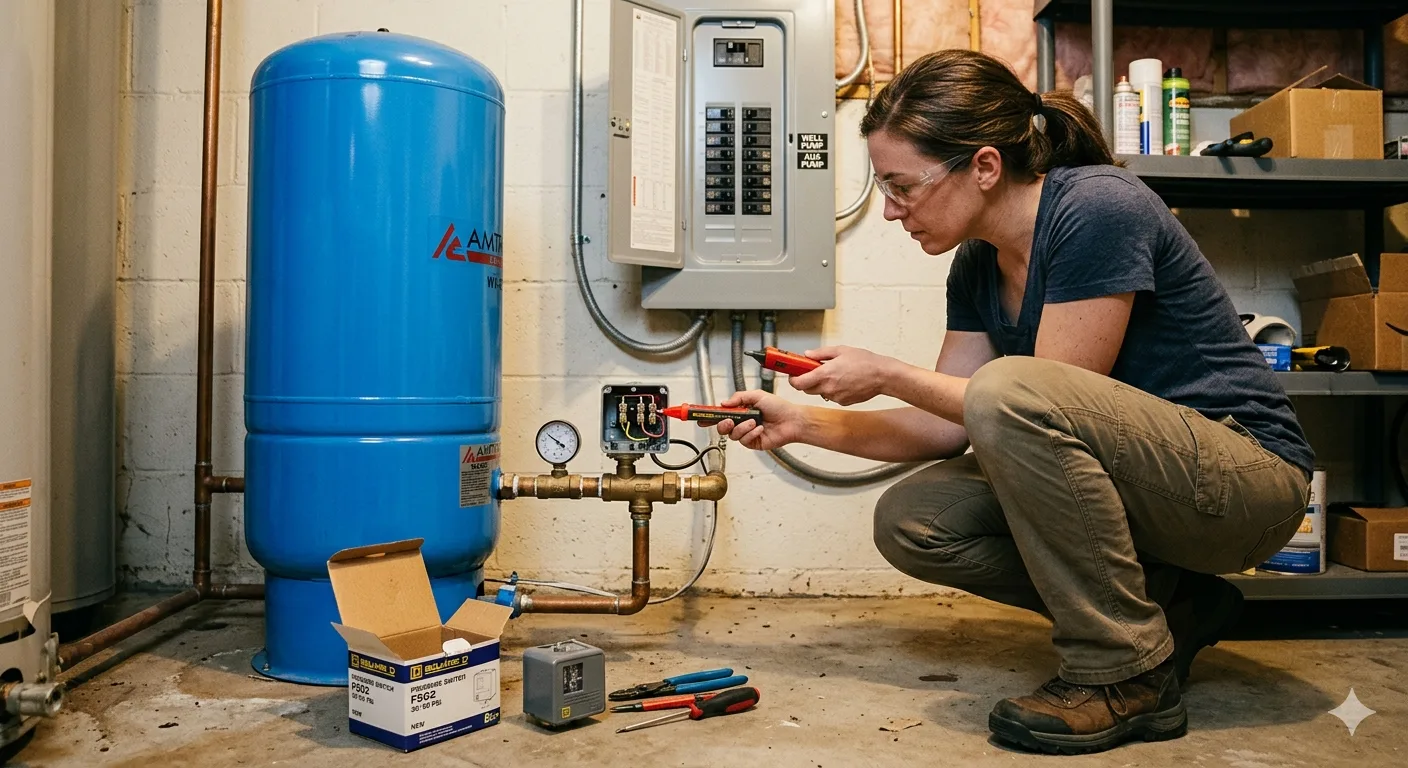
Before searching for well repair near me, locate the electrical panel and check whether the breaker labelled well pump has tripped. Reset it once. If it holds and water returns, the trip may have been a one-time event. If it trips again immediately, the motor or wiring has a fault that needs professional diagnosis. The PHCC notes that electrical faults on pump circuits are among the most common well service causes that homeowners can partially diagnose before a contractor arrives.
Pressure tank failure is often mistaken for pump failure.
A waterlogged pressure tank causes the pump to short-cycle every time water is used, mimicking a failing pump. Pressure tank replacement costs $200 to $500. Pump replacement costs $800 to $2,000 or more depending on well depth. Ask any well repair near me contractor to test the pressure tank air charge and bladder before opening the well.
Water quality changes after a mechanical repair need to be tested.
Any work that opens the well casing or pulls the pump creates a contamination risk. After any well service, the water should be disinfected and tested for coliform bacteria before resuming normal use. The CDC recommends testing private well water at least annually and after any repair or flood event. A contractor who skips post-repair disinfection is leaving a step out of the job.
Wellhead condition affects everything below it.
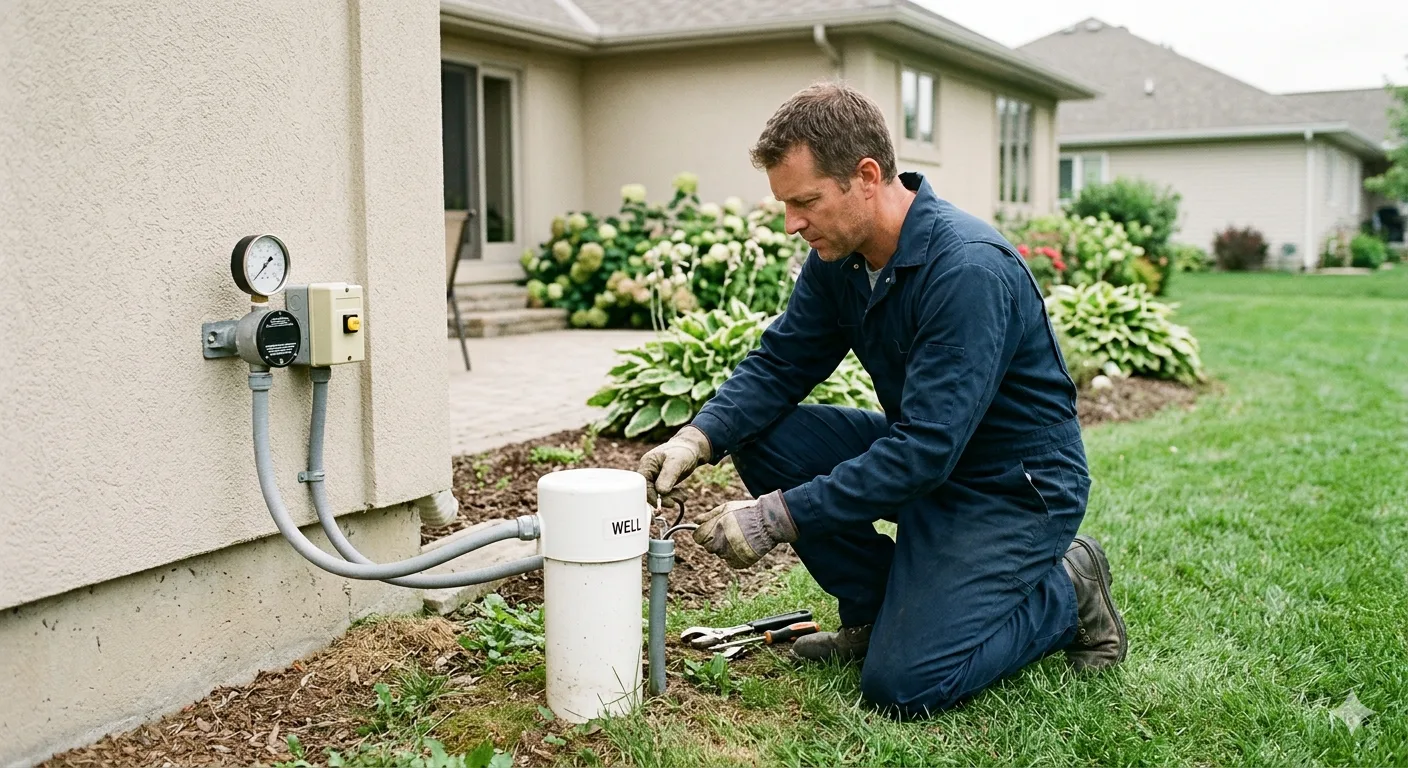
The wellhead is the above-ground cap and casing seal that prevents surface water, insects and debris from entering the well. A cracked or improperly sealed wellhead allows contaminated surface water to bypass the casing and enter the water supply. Older wells may have surface casing that has settled, cracked or corroded. During any well repair near me service call, the wellhead should be visually inspected as part of the diagnostic process. A wellhead that is not properly sealed is a contamination risk regardless of how well the pump and pressure system are functioning.
What a Complete Well Repair Near Me Service Call Should Include
A thorough well repair visit starts with the electrical supply, tests continuity at the pump motor and checks the pressure tank before any component is pulled. If pump removal is needed, the drop pipe and cable are inspected during extraction. The pump is checked before a replacement is ordered, since electrical faults produce symptoms identical to pump failure.
After any repair involving the well interior, shock chlorination and a follow-up water test confirm the system is safe. A licensed plumber who provides documentation of the repair and test results is giving you a complete service, not just a parts swap.
Frequently Asked Questions About Well Repair Near Me
How much does well repair typically cost?
Cost depends entirely on the failure point. A pressure switch replacement runs $150 to $300. A pressure tank replacement runs $300 to $600 installed. A submersible pump replacement in a standard residential well runs $800 to $2,000 depending on depth and pump capacity. Electrical repairs on the pump circuit run $200 to $500. Wellhead repair or casing work varies significantly with the scope.
How do I know if my well has run dry versus a pump failure?
A dry well produces no water even after the pump runs. A pump failure produces no water but the pump makes no sound or sounds strained. A contractor can lower a sensor into the casing to confirm water is present before pulling the pump. Running it dry causes immediate motor damage.
Can I repair a well pump myself?
Pulling a submersible pump requires specialised equipment and knowledge of electrical connections involved. In most jurisdictions it also requires a permit. Surface-level repairs such as pressure switch or tank replacement are manageable for experienced DIYers but involve pressurised water systems.
How often should a private well be serviced?
The EPA recommends annual water testing and a professional inspection of the wellhead, pressure system and pump every 3 to 5 years. Homes with pump history or trees near the wellhead benefit from more frequent inspection.
How Do You Find Trusted Well Repair Near Me Help?
Private well systems fail without warning and the homeowner carries the full cost. Finding a licensed professional with documented well repair experience before you need one is far better than searching under pressure when the taps run dry.
Visit PlumberLocator.us to find a licensed local plumber in your area with well system experience. For more guidance on maintaining your home’s water supply, browse our our plumbing tips section.