There is no single best drain unclogger that works on every clog. There are six fundamentally different types, each designed for a specific blockage. The most powerful chemical cleaner does nothing to a compacted hair mass. The best mechanical snake clears a grease plug in seconds. Getting the right tool for the specific clog is what actually unblocks drains. Getting the wrong one can damage the pipe, fittings or rubber seals.
Quick Answer: The best drain unclogger for a hair clog is a mechanical zip-it or drain snake. For soap scum and organic buildup, enzyme treatments work well over several days. For grease, caustic chemical cleaners or hot water with dish soap address the coating. For main line blockages or root intrusion, a powered drain auger or professional hydrojetting is the only effective option. A plunger works on any soft blockage where a suction seal can be established.
Why the Clog Type Determines the Best Drain Unclogger
Hair tangles into a physical mass that mechanical tools remove efficiently. Keratin, the protein hair is made of, resists sodium hydroxide in most chemical drain cleaners. Grease responds well to heat and surfactants but resists snaking because the snake pushes through rather than removing it. Root intrusion requires enough mechanical force to cut through live root tissue.
The EPA recommends identifying the cause before selecting a method, noting that caustic cleaners on blockages they cannot dissolve merely add corrosive material to the drain system without clearing the clog.
6 Critical Facts About Choosing the Best Drain Unclogger
Fact 1: Mechanical tools outperform chemicals on hair and physical blockages.
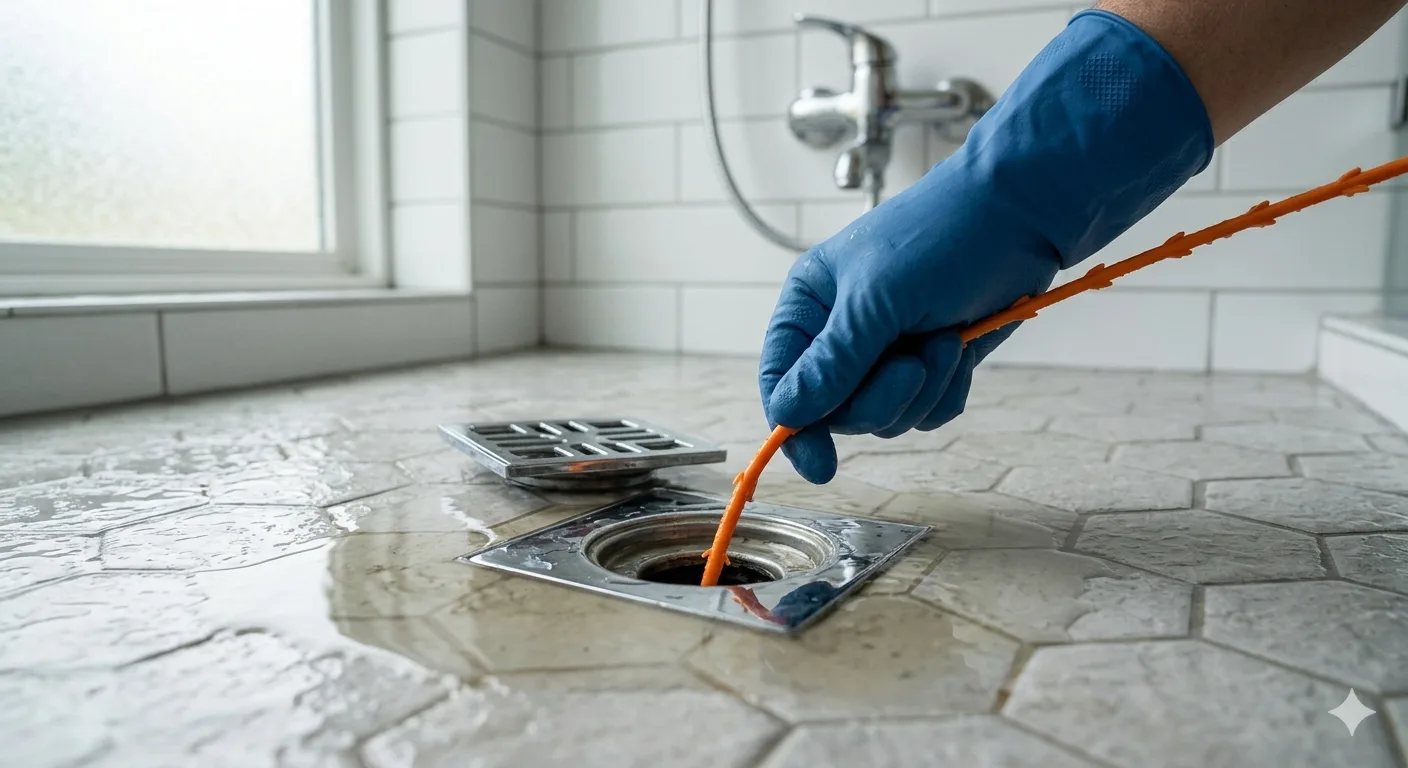
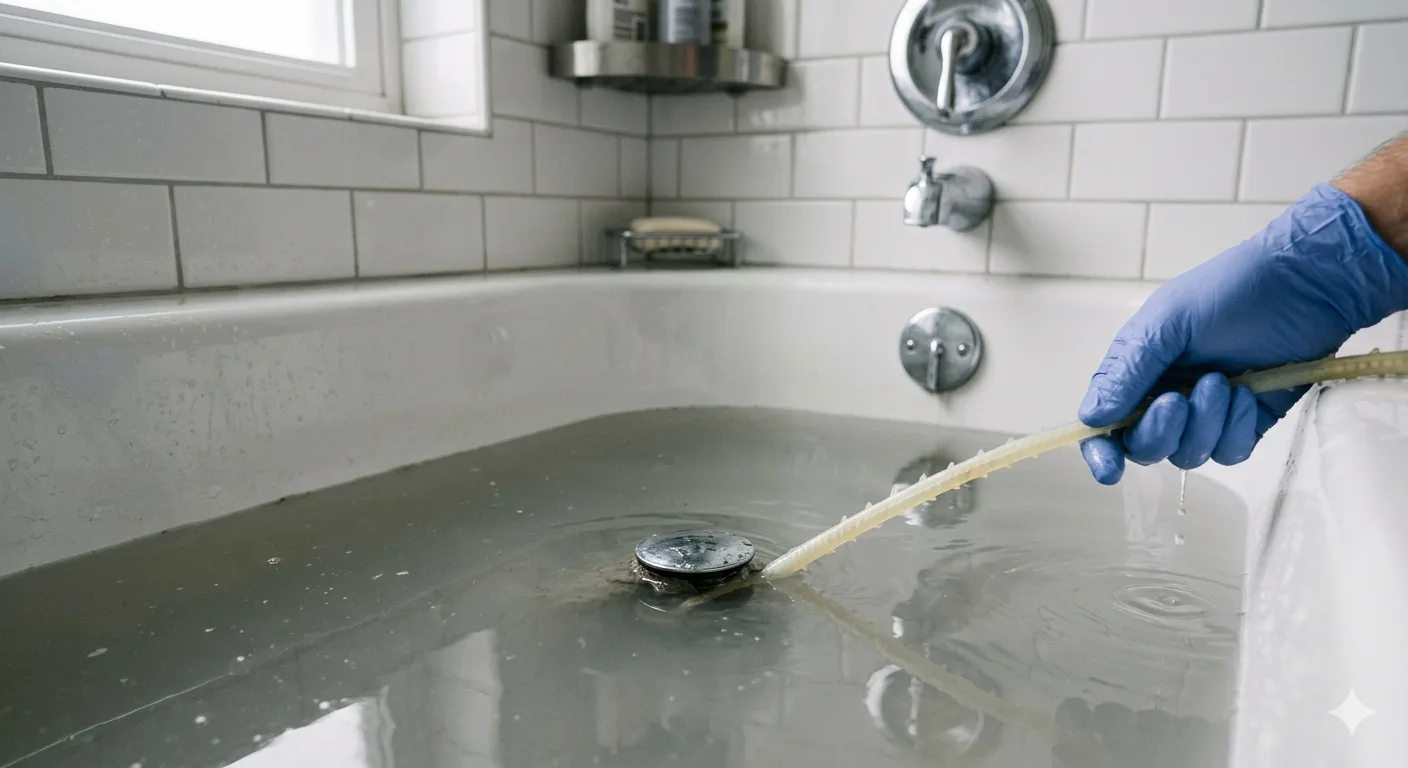
A plastic zip-it drain tool with barbed edges is the best drain unclogger for hair clogs in shower and bathroom sink drains. It costs $3 to $5, reaches into the P-trap and pulls out a compacted hair mass in a single motion. A flexible drain snake extends this reach further into the drain line. Neither requires any chemical contact with the pipe walls, drain fittings or rubber gaskets. The PHCC identifies mechanical drain tools as the first-line recommendation for hair-based blockages in residential bathrooms, noting their effectiveness rate and zero risk of pipe or fitting damage.
Fact 2: Enzyme treatments are the best drain unclogger for recurring slow drains.
Enzyme treatments contain active cultures that digest organic material and biofilm on pipe walls over several days. They are not effective for complete blockages where no water is flowing. For slow drains caused by progressive organic accumulation, weekly enzyme treatment over three to four weeks clears the pipe wall coating. Monthly use prevents it from reforming. These treatments are safe for all pipe materials.
Fact 3: Caustic chemical cleaners work on grease but damage rubber and some plastics.
Sodium hydroxide drain cleaners generate heat and break down fatty acids and grease effectively. They are the best drain unclogger for kitchen sink blockages caused by grease and food oil accumulation. They are not effective on hair and should not be used repeatedly or on older PVC drain fittings where the solvent-welded joints can soften under sustained chemical exposure. They must never be mixed with other cleaning products. Following the label instructions on contact time and volume prevents most pipe damage. The CDC notes that sodium hydroxide is a corrosive substance and that skin and eye protection are required when using concentrated chemical drain cleaners.
Fact 4: A hand drain auger is the best drain unclogger for blockages past the P-trap.
A manual drain auger extends a steel cable into the drain line beyond what any zip-it tool or chemical treatment reaches. The cable is fed until it meets resistance, then rotated to break up or retrieve the blockage. A 25-foot hand auger handles most residential drain blockages and is the best drain unclogger when the blockage is past the trap or chemical treatment has failed.
Fact 5: A plunger is the best drain unclogger for soft, localized blockages.
A cup plunger generates alternating pressure and suction in the drain line that dislodges soft blockages near the drain opening. It works on kitchen sinks, bathroom sinks and shower drains where a soft organic mass is sitting close to the trap. For bathtub plunging, the overflow opening must be sealed before plunging creates any useful pressure in the line. For toilet blockages, a flange plunger rather than a cup plunger creates the seal needed to generate effective force. A plunger is free of chemical risk, works immediately and is reusable indefinitely.
Fact 6: Hydrojetting is the best drain unclogger for scale, root intrusion and main line blockages.
Professional hydrojetting uses water at 2,000 to 4,000 PSI to scour the full pipe circumference, removing scale, grease and root masses that household tools cannot reach. It costs $250 to $450 for a residential clearing and is the best drain unclogger for recurring blockages and main line issues that affect multiple fixtures simultaneously.
Pipe Material Limits What You Can Safely Use
Cast iron tolerates caustic cleaners but develops scale that reduces its effective diameter. PVC is safe for most enzyme treatments and standard chemical concentrations but can soften at solvent-welded joints under prolonged exposure. Older clay tile or concrete sewer laterals are vulnerable to root intrusion that no household product addresses. In homes with mixed pipe materials, mechanical tools and enzyme treatments are universally safe.
Frequently Asked Questions About Best Drain Unclogger Options
Is it safe to use a drain unclogger in a toilet?
A flange plunger is safe and effective. Chemical drain cleaners should not be used in toilets as they can damage the wax ring seal and the rubber flapper. A toilet auger designed specifically for toilet traps is the correct mechanical tool for toilet blockages that don't respond to plunging.
How long should a chemical drain unclogger be left in the drain?
Most sodium hydroxide chemical cleaners require 15 to 30 minutes of contact time followed by a hot water flush. Leaving them for longer than specified does not improve effectiveness and increases pipe and fitting exposure risk. Enzyme treatments require overnight contact, typically 6 to 8 hours of standing in the drain before flushing.
Can I use a drain unclogger in a washing machine or dishwasher drain?
Chemical drain cleaners should not be poured into appliance drain lines as they can damage internal rubber components. Monthly enzyme treatment in the washing machine drum is a safe preventive approach. For a blocked appliance drain line, a licensed plumber provides the correct clearing approach.
When should I stop trying home drain unclogger methods and call a plumber?
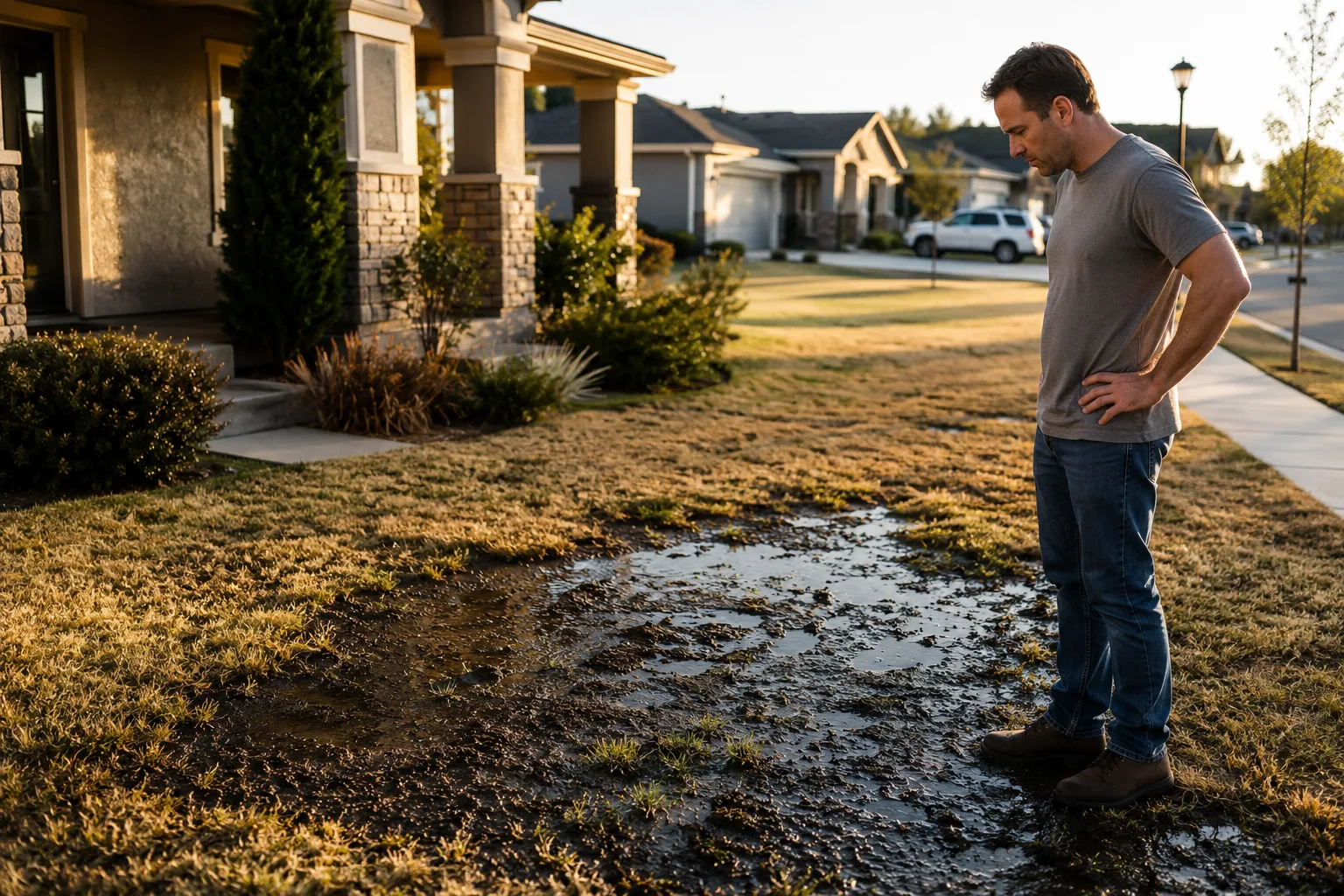
Call a licensed plumber when two or more fixtures back up simultaneously, when the drain backs up within a week of clearing, or when you hear gurgling from other fixtures. These are main line signals household tools cannot address.
Find a Trusted Local Plumber When Home Methods Fail
The best drain unclogger for most household clogs is already in a hardware store near you and costs under $20. When the clog is in the main line, has been returning regularly or affects multiple fixtures, a licensed plumber with powered equipment is the only tool that actually solves it.
Visit https://plumberlocator.us/emergency/ to find a licensed local plumber near you for drain clearing and inspection. For cost estimates on professional drain services, browse our https://plumberlocator.us/cost-guide/.