A toilet not flushing ranges from a ten-second fix to a genuine plumbing problem depending on what the specific symptom is. Most causes involve a failed or misadjusted component inside the tank, accessible without tools and fixable in minutes. Knowing which situation you're in takes less than two minutes of diagnosis.
Quick Answer: A toilet not flushing at all usually means the tank is empty, the flapper is stuck open or the handle mechanism has failed. A weak or incomplete flush typically means a worn flapper, a slack lift chain or a partially blocked siphon jet. A toilet that won't stop running after flushing has a fill valve or float problem. Each of these is a different component with a different fix.
Before You Open the Tank: One Check That Rules Out the Most Common Issue
Before lifting the tank lid, press the handle and hold it down for three seconds. A toilet not flushing normally but flushing when held down has a slack lift chain. The chain connecting the handle arm to the flapper is too long and falls slack before fully lifting the flapper. Adjusting it to leave 1 to 2 centimetres of slack resolves this immediately.
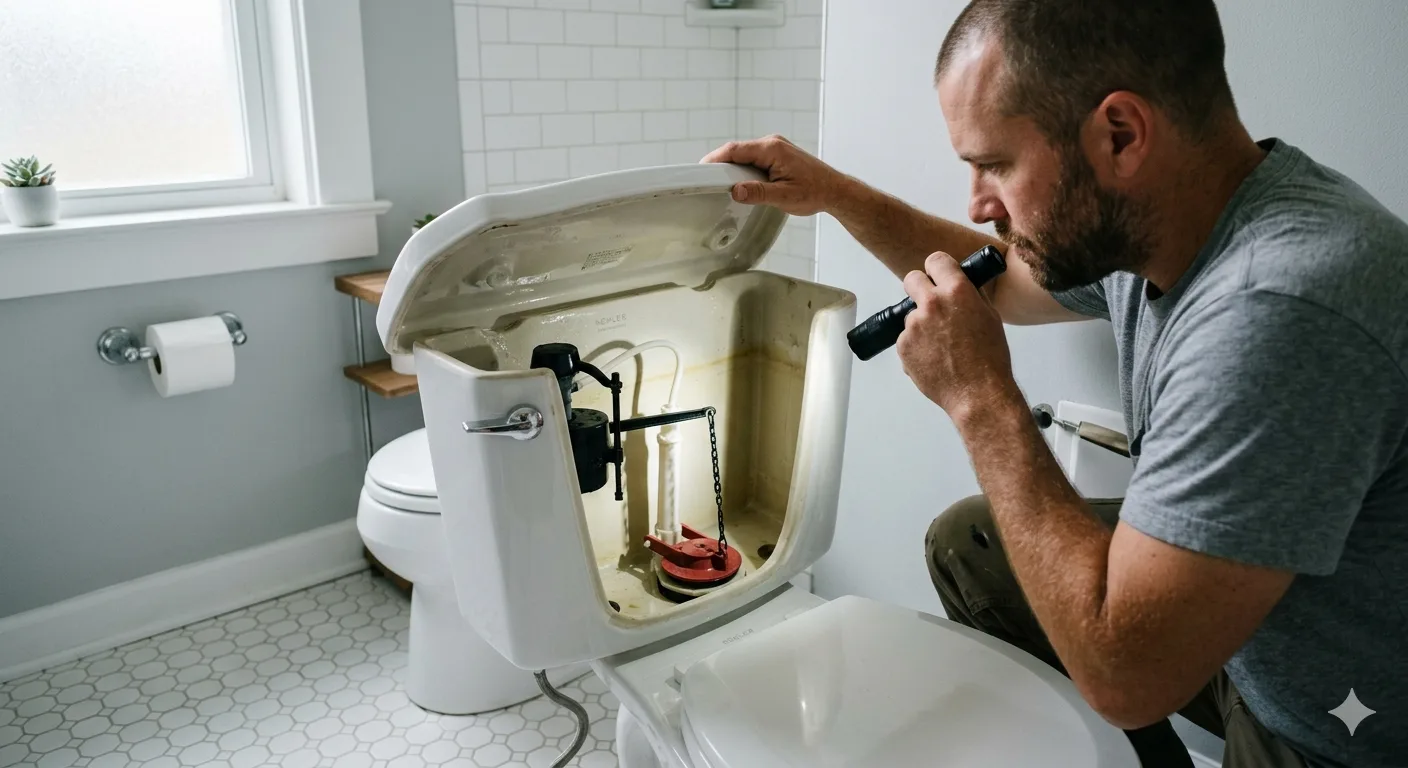
If holding the handle makes no difference, open the tank. The water level, flapper position and chain condition all become immediately visible.
6 Trusted Fixes for a Toilet Not Flushing
Fix 1: The tank is empty or very low.
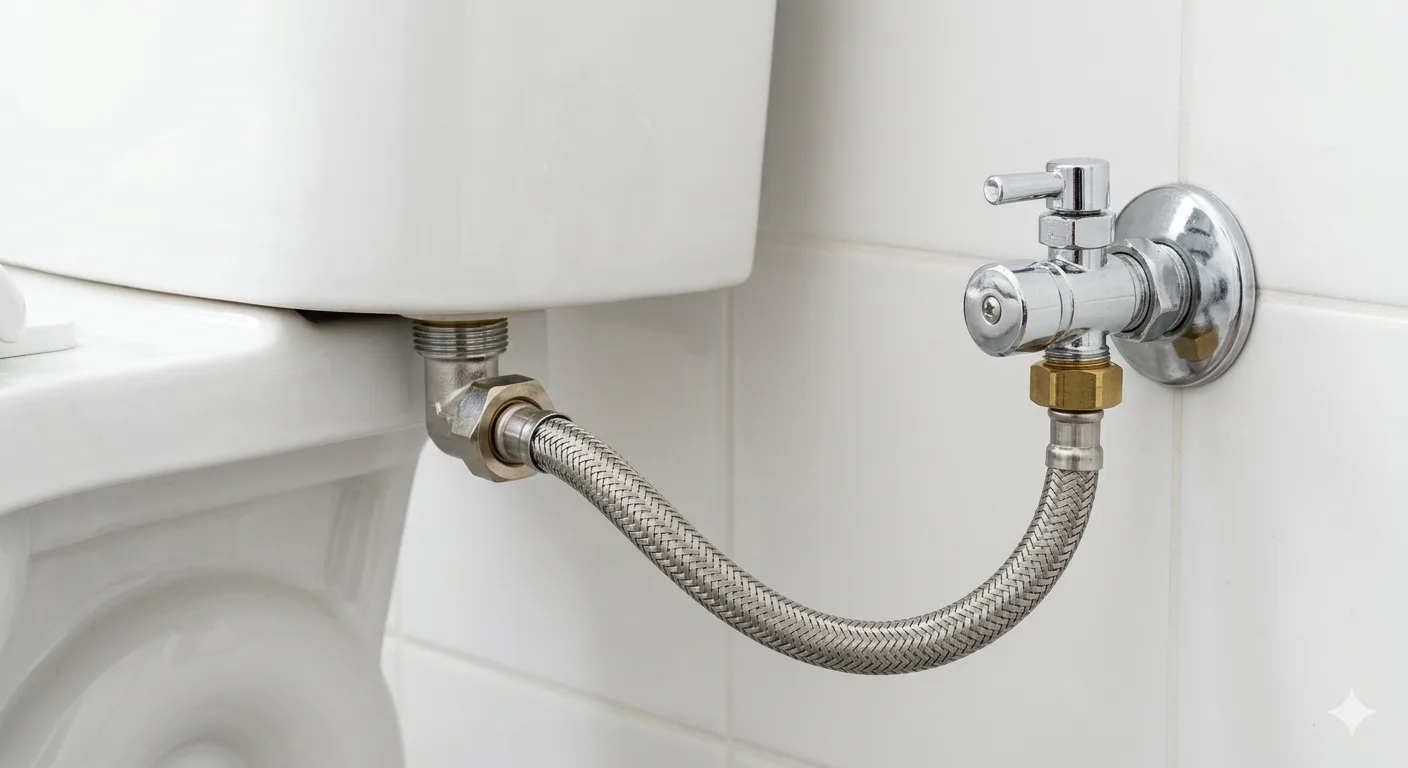
A toilet not flushing because the tank is empty has no water to create the flush. This happens when the supply valve behind the toilet has been partially closed, the fill valve has failed or the water supply has been interrupted. Check that the supply valve is fully open and that other fixtures have pressure. If supply is fine but the tank won't fill, the fill valve needs replacement.
Fix 2: The flapper is stuck open or has failed.
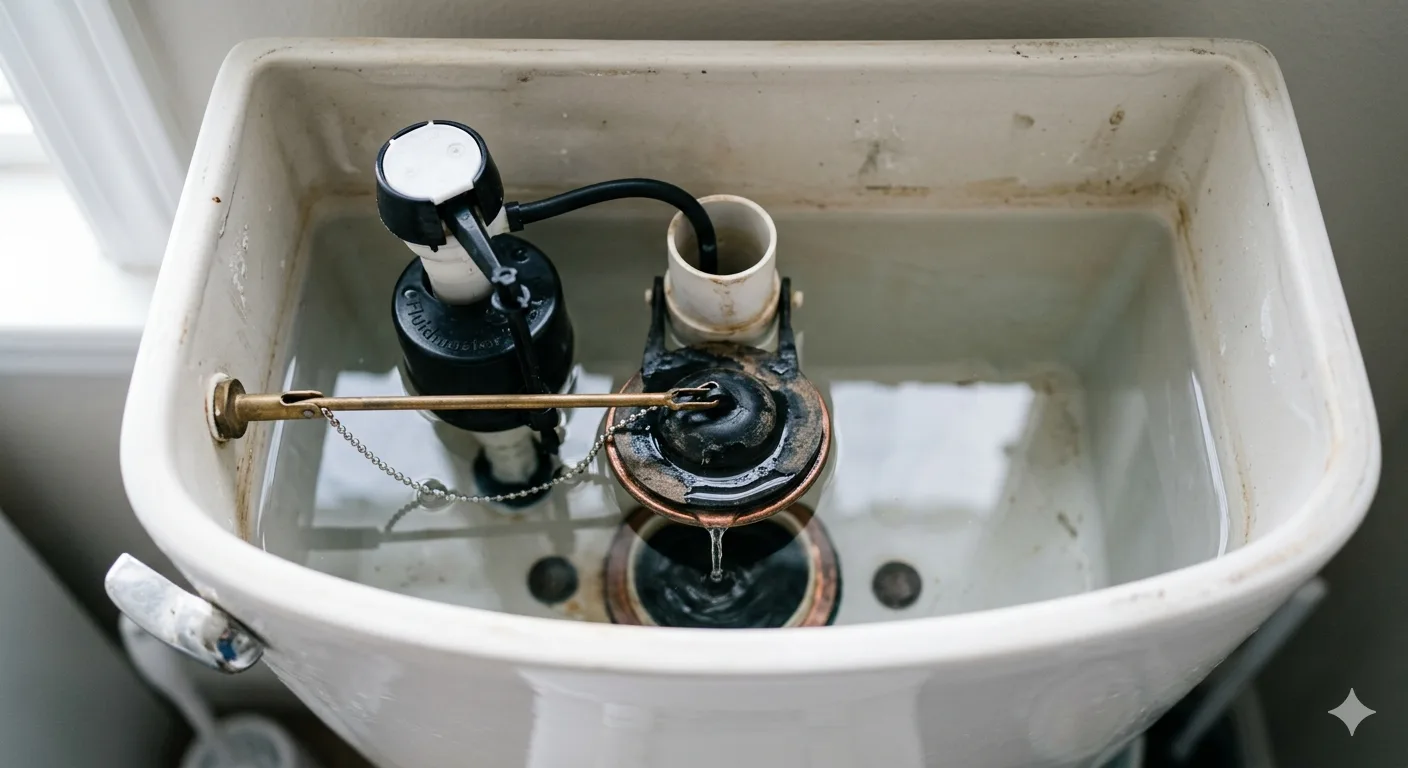
The flapper lifts when you flush and drops to seal the tank while it refills. A stuck-open flapper drains the tank continuously. A warped or deteriorated flapper no longer seals and allows constant bypass. Lift the flapper manually. If it rises and falls freely but water still bypasses, replace it. Flappers cost $5 to $15 and take two minutes to swap. The PHCC identifies faulty flappers as the most common cause of running toilets and incomplete flushes in residential bathrooms.
Fix 3: The lift chain is too slack or is broken.
Remove the tank lid and press the handle. Watch whether the chain pulls the flapper up. If the chain loops on the tank floor before tightening, clip it to a higher link on the handle arm. If it is broken or disconnected, replace it. Replacement chains cost under $5. Leave 1 to 2 centimetres of slack so the chain lifts fully without being tight enough to hold the flapper open between flushes.
Fix 4: The fill valve is worn or misadjusted.
If the tank fills slowly, fills to the wrong level or doesn't fill at all, the fill valve is the cause. If the water level is more than 2 centimetres below the top of the overflow tube, adjust the float arm or fill valve screw to raise it. If the valve is noisy, cycling repeatedly or failing despite adjustment, replace it. Fill valve kits cost $10 to $20 and are straightforward to install with the supply shut off.
Fix 5: A partial blockage is weakening the flush.
A toilet that flushes but doesn't clear the bowl has a drain restriction. The siphon jet at the base of the bowl can block with mineral scale in hard water areas, reducing flush power without stopping it completely. Clean the jet with a wire and a vinegar soak to dissolve scale. If the bowl still doesn't fully clear, the blockage is further down in the trap. The EPA recommends mechanical clearing over chemical drain cleaners for toilet clogs, as caustic chemicals can damage the wax ring seal over time.
Fix 6: The flush valve seat is damaged.
A toilet not flushing despite a good tank water level, a functional flapper and correct chain tension has a flush valve seat problem. The flush valve seat is the plastic or ceramic ring the flapper presses against to seal the tank. If this surface is chipped, cracked or coated with mineral deposits, no flapper will seal correctly against it. Clean the seat surface with white vinegar and a soft cloth. If it is physically damaged, the entire flush valve assembly needs replacement, which is a larger job that requires draining the tank and disconnecting the toilet from the supply. The CDC notes that a continuously running toilet from a damaged flush valve seat wastes 200 gallons or more of water daily, making it both a plumbing and a water conservation issue.
When a Toilet Not Flushing Means Calling a Plumber
Call a licensed plumber when the toilet rocks or the floor is soft around the base, when the toilet overflows during flushing, when the flush valve seat is physically cracked and needs a complete rebuild, or when two or more toilets flush weakly simultaneously. The last two indicate a main drain line issue rather than a toilet component problem.
Frequently Asked Questions About a Toilet Not Flushing
Why is my toilet not flushing but the tank is full?
A full tank with no flush almost always means the flapper is not lifting. Press the handle and watch the chain. If the chain lifts the flapper but water still doesn't move, the flush valve seat or trap is the issue. Lift the flapper manually; if water rushes into the bowl and the toilet flushes, the flapper needs replacing.
How do I know if my toilet has a blocked trap or just a weak flush valve?
A blocked trap holds water at a high level after flushing. A weak flush valve produces a partial flush where water moves but doesn't complete the siphon. Pour a bucket of water directly into the bowl. If it flushes normally, the flush mechanism is the issue. If it doesn't drain, the trap is blocked.
Can I fix a toilet not flushing without turning off the water?
Chain adjustments and flapper checks can be done with the water on. Any repair that involves removing the fill valve, the flush valve or the flapper for replacement should be done with the supply valve behind the toilet turned off. Turn it clockwise to close it and flush to empty the tank before working.
How often do toilet flappers need replacing?
A standard rubber flapper lasts 4 to 8 years. Heavily chlorinated water deteriorates them faster. If yours has needed two or more replacements in five years, switch to a silicone flapper, which resists chlorine degradation and lasts significantly longer.
Find a Trusted Local Plumber for Toilet Repair Today
A toilet not flushing is almost always fixable at home in under ten minutes. When the problem is not inside the tank, or when it keeps returning after repairs, a licensed plumber diagnoses what the tank components alone cannot tell you.
Visit https://plumberlocator.us/emergency/ to find a licensed local plumber near you for toilet repair and drain service. For cost estimates on toilet and bathroom plumbing, browse our https://plumberlocator.us/cost-guide/.