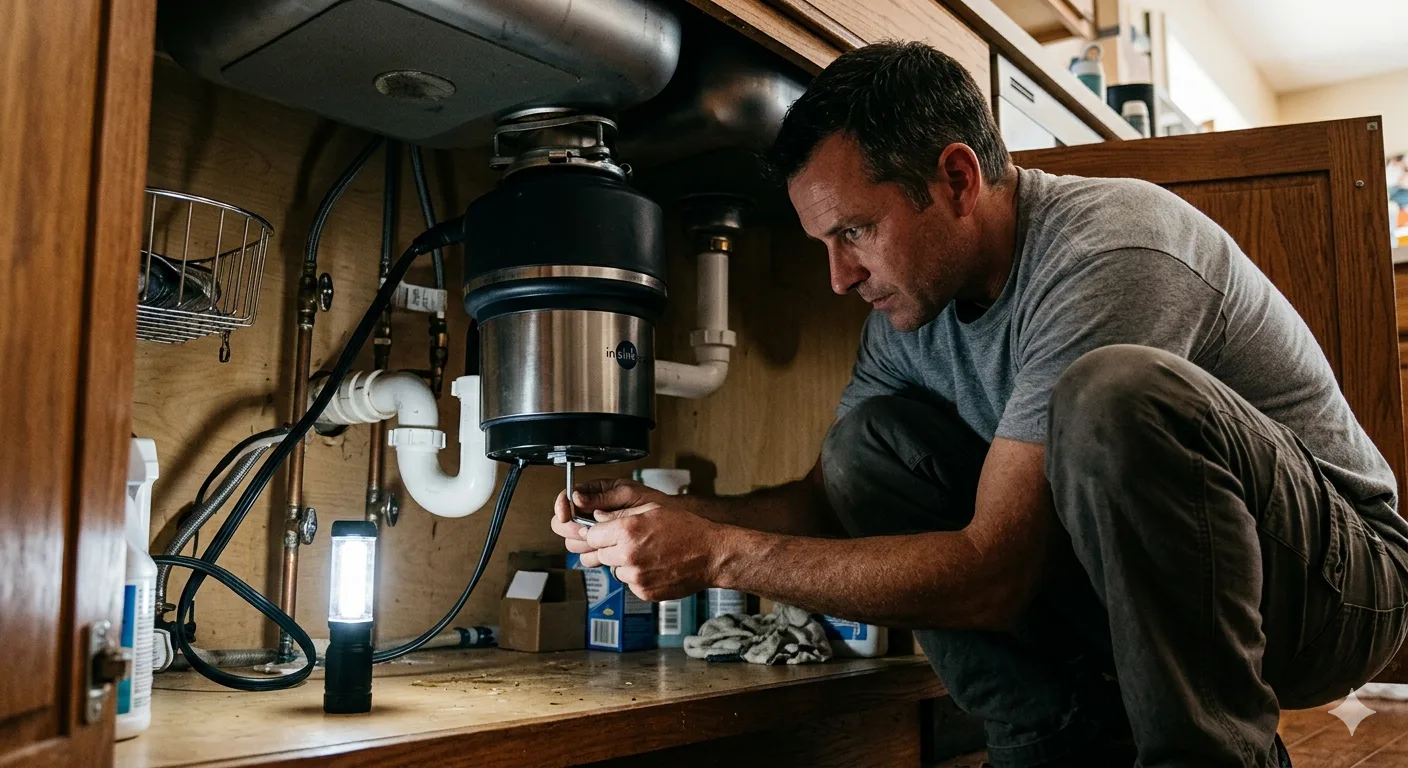
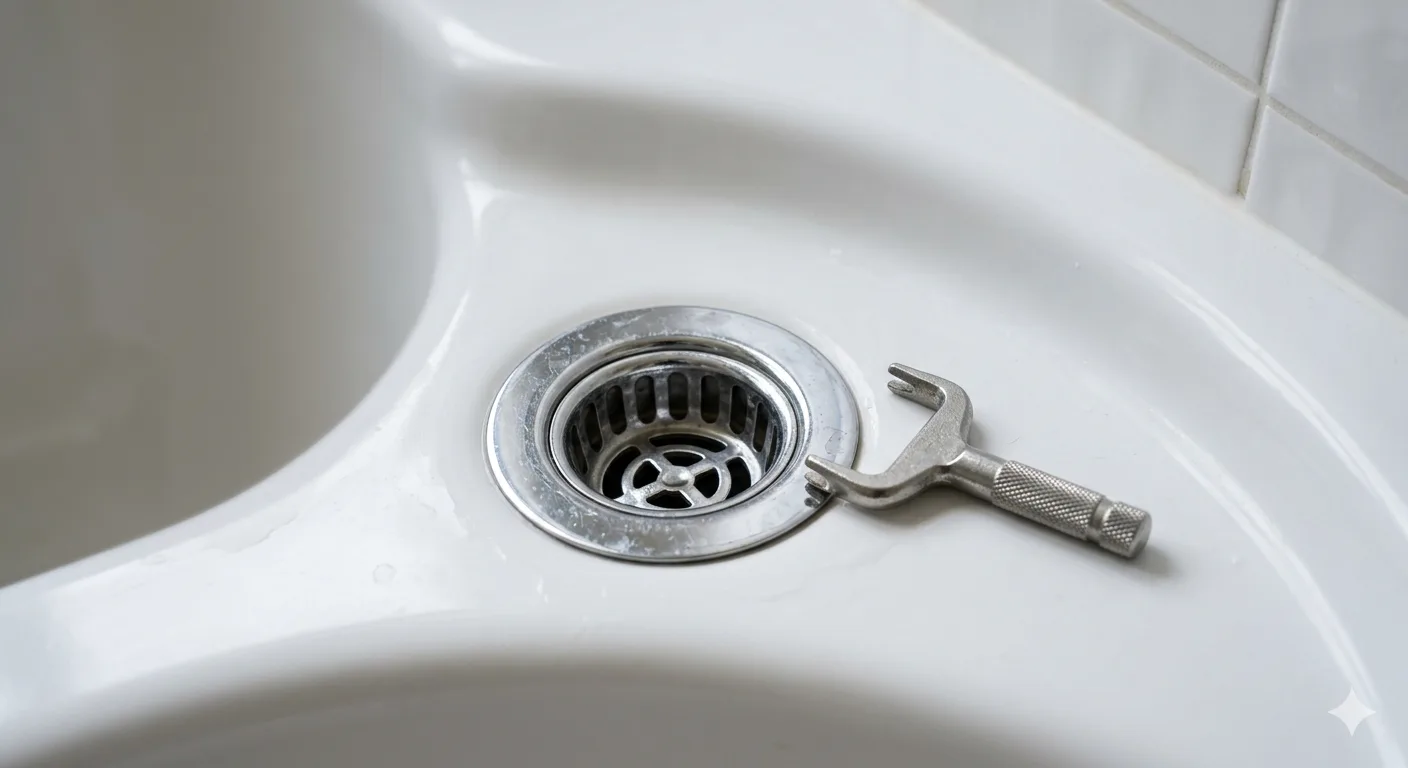
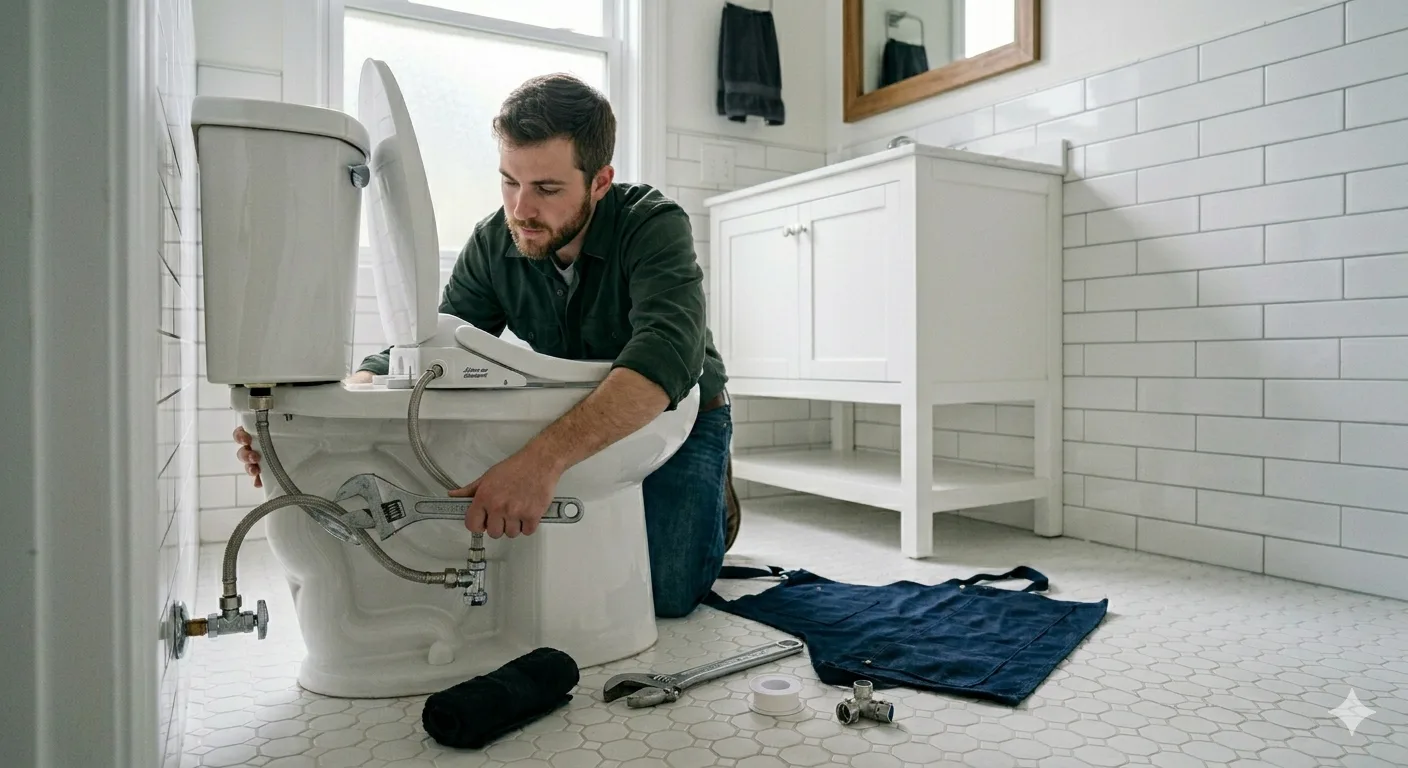
Quick Answer: The most common plumbing problems homeowners face are slow or clogged drains, running toilets, dripping faucets, low water pressure, and leaking pipes. Most can be fixed in under an hour with basic tools. The ones that can’t — sewer backups, water heater failures, burst pipes, and gas line issues — require a licensed plumber immediately.
What Are the Most Common Plumbing Problems in a House?
| Problem | Cause | DIY or Plumber? | Urgency |
|---|---|---|---|
| Slow drain | Hair, grease, soap buildup | DIY first | Low |
| Running toilet | Worn flapper or fill valve | DIY | Low |
| Dripping faucet | Worn washers or O-rings | DIY | Low |
| Low water pressure | Mineral buildup, pressure regulator | DIY or plumber | Medium |
| Leaking pipe joint | Worn seal or loose fitting | Plumber | High |
| No hot water | Water heater failure | Plumber | High |
| Sewer backup | Root intrusion, blockage | Plumber | Emergency |
| Burst pipe | Freezing, corrosion, pressure | Plumber | Emergency |
| Gas line issue | Corrosion, improper repair | Plumber + 911 | Emergency |
Why Is My Drain Slow? (And How Do You Fix It?)
Slow drains are the most common plumbing complaint in U.S. households. The cause depends on the fixture:
- Shower and tub drains: Hair and soap scum building up in the P-trap. Remove the drain cover, pull out the hair mass by hand or with a drain snake. Clear within 10 minutes in most cases.
- Kitchen sink: Grease and food particles coating the pipe walls. Hot water flush, then baking soda and vinegar treatment. Avoid chemical cleaners — they damage rubber seals with repeated use.
- Multiple slow drains at once: This indicates a main line blockage, not individual fixture clogs. This requires a licensed plumber with a drain snake or hydrojetting equipment.
Why Does My Toilet Keep Running? (And Is It Wasting Water?)
A running toilet wastes 200 gallons of water per day — about $70/month on a typical water bill. The cause is almost always one of three things:
- Worn flapper. The rubber flap at the bottom of the tank isn’t sealing. Replace it for $5–$10 at any hardware store. Lift the tank lid, unhook the old flapper, snap the new one on.
- Float set too high. Water keeps running into the overflow tube. Adjust the float arm or replace the fill valve (10-minute fix, $15 part).
- Cracked overflow tube. If both the flapper and float are fine, the overflow tube may be damaged. Full fill valve replacement ($20–$40 part, 20 minutes).
If the toilet runs intermittently — stops and starts on its own without being flushed — the flapper is leaking slowly. Drop blue food dye in the tank; if it appears in the bowl without flushing, the flapper needs replacing.
What Causes a Dripping Faucet and Should You Fix It?
A faucet dripping at one drop per second wastes 3,000 gallons per year. Causes differ by faucet type:
- Compression faucet (two handles, older): Worn rubber washer. Turn off the water supply, disassemble the handle, replace the washer ($2).
- Ball faucet (single handle that rotates): Worn O-rings or springs. Replacement kits cost $15–$25 and include all internal parts.
- Cartridge faucet (single or double handle): Worn cartridge. Pull the old one, match it at the hardware store, press the new one in.
- Ceramic disc faucet (wide single lever): Cracked ceramic disc. Less common to fail; replacement discs cost $20–$50.
Call a plumber if disassembly reveals corroded or stripped valve seats — the fix becomes a faucet replacement at that point.
What Causes Low Water Pressure Throughout the House?
Low water pressure affecting the whole house (not just one fixture) has a different cause than a single-fixture pressure problem:
- Whole-house low pressure: Failing pressure regulator (the bell-shaped device where the main line enters your home), partially closed main shut-off valve, or a corroded galvanized steel supply line. Pressure regulators cost $50–$100 to replace; this is a plumber job.
- Single fixture low pressure: Mineral-clogged aerator (unscrew the faucet tip, clean or replace it — $3) or a clogged showerhead (soak in white vinegar overnight).
- Sudden pressure drop: Indicates a leak somewhere in the system. Shut off fixtures one by one to locate it. If you can’t find it and pressure stays low, call a plumber — you may have a slab or wall leak.
What Are the Most Common Plumbing Emergencies?
These situations require a licensed plumber the same day — not a weekend project:
Burst pipe. Shut off the main water supply immediately. Every minute of delay adds water damage. Call a plumber and your insurance company simultaneously.
Sewage backup. Standing sewage in a tub, toilet, or floor drain is a Category 3 health hazard per the CDC. Do not use any water in the home until a plumber clears the main line.
Water heater failure with flooding. Shut off the cold water supply to the tank (valve on top of the unit) and turn off the gas or circuit breaker. A tank that is actively flooding must be replaced — not repaired.
Gas line issue. Leave the house, leave the door open, and call 911 first. Then call a licensed plumber for repair after the gas company has shut off service. Never attempt a gas line repair yourself.
How Do You Know When to Call a Plumber vs. DIY?
DIY is appropriate when:
- The fix involves accessible parts (flappers, washers, aerators, drain covers)
- The water can be shut off at the fixture, not the main
- No permits are required (fixture-level repairs generally don’t)
- The fix doesn’t involve cutting into walls, slabs, or the main line
Call a licensed plumber when:
- Multiple fixtures are affected (indicates main line issue)
- Water is coming from inside a wall, floor, or ceiling
- The repair involves gas lines, the water main, or sewer lines
- You’ve attempted a DIY fix and the problem returned or worsened
- There is any sign of water damage to drywall, flooring, or framing
Frequently Asked Questions About Common Plumbing Issues
What is the most common plumbing problem in older homes?
Homes built before 1970 frequently have galvanized steel supply pipes that corrode from the inside out, restricting water pressure over time. The fix is whole-house repiping with copper or PEX — a licensed plumber job averaging $4,000–$15,000 depending on home size.
How much does it cost to fix a common plumbing problem?
Dripping faucet: $5–$25 in parts (DIY) or $100–$200 with a plumber. Running toilet: $10–$40 in parts (DIY) or $150–$300 with a plumber. Slow drain: $0–$30 (DIY) or $100–$250 with a plumber. Burst pipe repair: $300–$1,500 for the repair plus water damage remediation costs.
Can I fix a leaking pipe under my sink myself?
Yes — if the leak is at a P-trap joint or supply line connection. These use slip-joint nuts that hand-tighten. If the leak is from a pinhole in the pipe itself or a corroded fitting, replace the section rather than patching; patches fail under pressure.
How do I find a licensed plumber for common plumbing repairs?
Browse licensed, reviewed plumbers in your city at PlumberLocator.us — States Directory. Filter by state and city to find plumbers who handle residential repairs, drain cleaning, and emergency service.
For overnight or weekend situations, see our guide to finding a 24-hour emergency plumber near you. For a full cost breakdown before you call, see how much does a plumber cost.