A shower seat is one of the simplest upgrades you can make to your bathroom and one of the most impactful. Whether you’re looking for added safety, post-surgery recovery support, or everyday comfort, the right shower seat transforms how you bathe.
What is a shower seat?
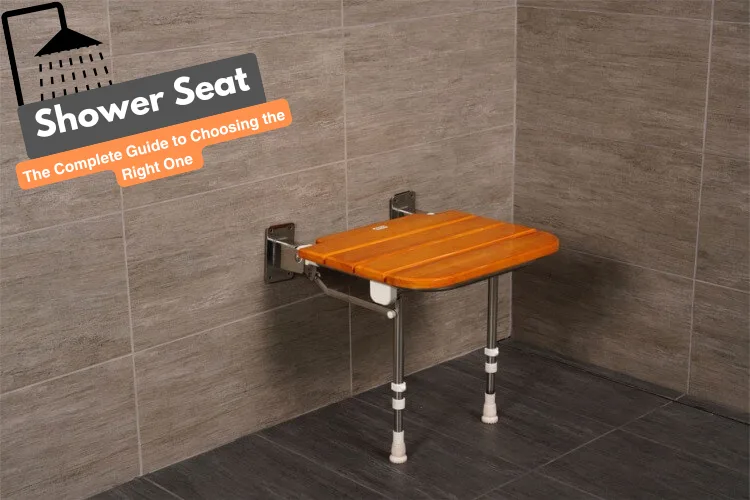
A shower seat is a stable, water-resistant seat placed inside a shower enclosure that allows you to sit comfortably while bathing. It can be a freestanding chair, a wall-mounted fold-down seat, or a built-in bench integrated into the shower design. Shower seats are used by seniors, people with mobility limitations, individuals recovering from injury or surgery, and anyone who simply values a more relaxed shower experience.
Quick answer: Who needs a shower seat?
Shower seats benefit older adults, people with balance or mobility issues, those recovering from surgery, pregnant women, and anyone who finds standing for long periods uncomfortable or tiring. They are also a smart addition to any accessible bathroom design.
What Types of shower seats Are There?
Shower seats come in several distinct styles, each suited to different needs and bathroom layouts.
What Are the Benefits of using a shower seat?
1. Fall prevention and safety
The bathroom is one of the most common locations for household falls, especially among older adults. A shower seat provides a stable surface to sit on, reducing the risk of slipping on wet surfaces and giving bathers a secure, grounded position throughout their routine.
2. Independence and accessibility
For individuals with mobility limitations, a shower seat can be the difference between bathing independently and requiring a caregiver’s assistance. Paired with grab bars and a non-slip mat, a shower seat forms the foundation of an accessible bathroom that supports aging in place.
3. Post-surgery and recovery support
After joint replacements, hip or knee surgery, or any procedure that limits standing ability, a shower seat is often recommended by healthcare providers. It allows patients to maintain hygiene safely during recovery without putting excessive strain on healing areas.
4. Everyday comfort
You don’t need a medical reason to enjoy a shower seat. Many people simply prefer to sit while showering it’s more relaxing, reduces fatigue, and makes tasks like shaving legs or washing feet far easier and safer.
How to choose the right shower seat
When buying a shower seat, keep the following factors in mind:
-
Weight capacity:
Most standard seats support 250–300 lbs. Look for bariatric options rated for 400+ lbs if needed. ADA-compliant seats must hold at least 250 lbs.
-
Seat height:
ADA-compliant shower seats are 17–19 inches high to match wheelchair height. Freestanding chairs often have adjustable legs to customize fit.
-
Material:
Plastic is lightweight and easy to clean. Teak wood is stylish and naturally water-resistant. Padded seats offer extra comfort but require more maintenance to prevent mildew.
-
Backrest and armrests:
These add stability and support. Essential for users with balance issues; optional for those who are mostly mobile.
-
Space:
Measure your shower before buying. Fold-down or stool-style seats work in tight enclosures; built-in benches need 18+ inches of additional depth.
-
Permanence:
Decide whether you want a temporary freestanding solution or a permanent installation. Wall-mounted seats require structural support behind the wall.
If you’re installing a fold-down or wall-mounted shower seat, plan during the construction or renovation phase when possible. Retrofitting requires a contractor to verify and add wall blocking for a safe, load-bearing installation.
Frequently asked questions
Is a shower seat worth it if I don’t have mobility issues?
Yes. A shower seat adds comfort and convenience for everyone it makes shaving, washing feet, and relaxing in the shower much easier, and it’s a smart long-term investment as needs change over time.
What’s the difference between a shower seat and a shower bench?
A shower seat typically refers to a smaller, chair-like unit often with a back and armrests, while a shower bench is longer, backless, and offers more sitting room. Both serve a similar purpose but suit different user needs and shower sizes.
Can I add a shower seat to any shower?
Freestanding chairs and stools can be added to virtually any shower with enough floor space. Wall-mounted and built-in seats require structural planning. Always confirm your shower dimensions before purchasing.
How do I keep a shower seat from getting moldy?
Rinse the seat after each use, allow airflow to dry it thoroughly, and clean weekly with a mild bathroom cleaner. Teak and plastic seats are the easiest to maintain in humid shower environments.
What Are the Key Takeaways?
A shower seat is a practical, often essential bathroom accessory that improves safety, comfort, and independence. Whether you choose a simple freestanding chair or a custom-built-in bench, the key is matching the seat type to your space, your needs, and how you plan to use it long term. With the right shower seat in place, bathing becomes safer, easier, and more enjoyable for everyone in the household.
Built-in bench: Integrated permanently into the shower. Usually tiled or stone. Maximum stability, sleek look. Fold-down seat. Wall-mounted and folds flat when not in use. Great for small showers where floor space matters. Freestanding chair, four-legged, portable. Adjustable height, easy to move or remove. Best for temporary needs.The transfer bench extends outside the shower. Designed for wheelchair users who slide across to enter.Shower stool: Backless, compact version of a chair. Ideal when floor space is very limited.Pro tip